TECH
Should You Ignore Cookie Pop-Ups? Here’s How It Can Affect Your Privacy and Browsing Experience
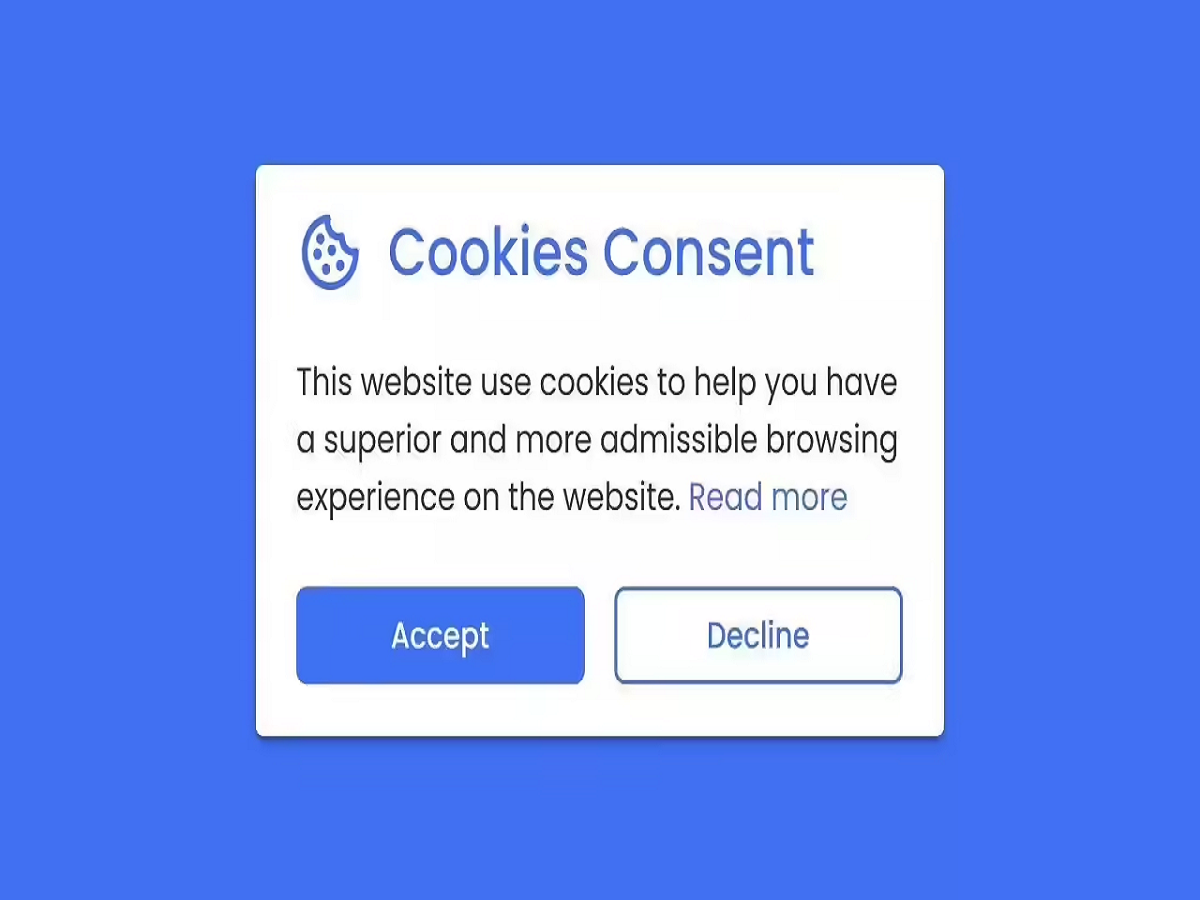
When you visit a new website, a cookie consent pop-up asking you to “Accept” or “Reject” cookies has become almost unavoidable. In a hurry, many users either close the pop-up without choosing an option or exit the website altogether. However, ignoring these cookie consent requests can have consequences for both your online privacy and your overall browsing experience. According to a 2025 report by All About Cookies, a platform focused on digital privacy and security, only about 46% of people actually understand what internet cookies are and what happens if they leave a website without responding to a cookie prompt.
Internet cookies are small data files stored on your device when you browse websites. These files collect information such as the pages you visit, searches you perform, and preferences you set, helping websites remember you and tailor content accordingly. Cookies generally fall into two categories: first-party cookies, which are created by the website you are visiting, and third-party cookies, which are set by external services such as advertisers or analytics providers.
If you neither accept nor reject cookies and simply close the consent pop-up, the website may not function properly. Some sites may restrict access altogether, while others may allow limited browsing with reduced functionality. In many cases, content may feel less relevant, features may not work as intended, and your browsing experience may be less smooth or personalized. Although you may still see advertisements or recommended content, it is likely to be generic and not aligned with your interests.
On the other hand, blindly accepting all cookies also carries risks. While cookies themselves are harmless text files, some may store sensitive information such as login details, email addresses, or browsing behavior. If you visit untrusted websites or use unsecured public Wi-Fi, this stored data could potentially be exposed or misused. This is why accepting every cookie without review is not always a safe choice.
The safest approach is to accept cookies only from websites you trust and to review cookie settings whenever possible. If cybercriminals gain access to your cookies, they could potentially track your activity, access your accounts, or misuse your personal data for fraud or scams. Being mindful of cookie permissions helps strike a balance between convenience, functionality, and online privacy.