TECH
Smart Homes Are Getting an AI Upgrade: Your Appliances Could Soon Understand Your Daily Routine
Smart homes have traditionally meant controlling lights, air conditioners, televisions and security cameras through a smartphone app. But the next stage of connected living is moving beyond simple remote control.
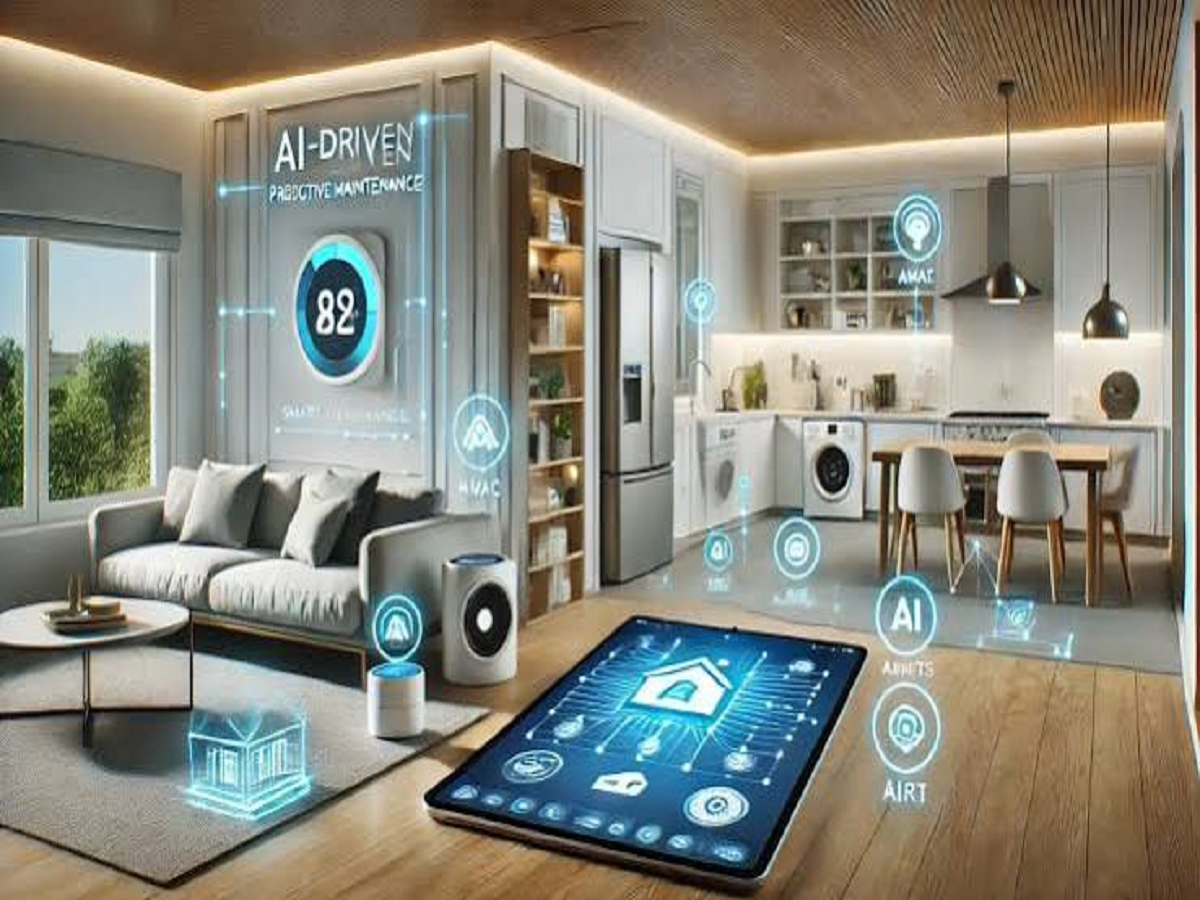
Artificial intelligence is increasingly being used to make home devices more aware of their surroundings, energy consumption and the habits of the people using them. Industry developments suggest that future smart homes could automatically adjust appliances and services based on context rather than waiting for individual commands.
From smart devices to intelligent homes
A conventional smart bulb can be switched on using an app. An AI-powered home could potentially learn when the residents usually return home and adjust lighting accordingly.
The same concept can be applied to air conditioners, televisions, washing machines, refrigerators and security systems.
Instead of controlling every appliance separately, AI could eventually coordinate multiple devices around a person's routine.
AI could help reduce electricity consumption
Energy efficiency is one of the biggest potential benefits.
For example, an intelligent home could analyse electricity usage and identify appliances consuming unusually high amounts of power. It could also recommend better operating schedules or automatically adjust certain devices when appropriate.
This becomes particularly useful as electricity demand continues to rise globally, with data centres, electrification and growing consumption all contributing to higher demand.
Your appliances may communicate with each other
The real advantage of a smart-home ecosystem isn't simply having dozens of connected gadgets.
The bigger opportunity comes when those devices work together.
Imagine your air conditioner detecting that nobody is in the room, while the lighting system knows the room is empty and the security system confirms that everyone has left the house. Instead of requiring three separate commands, an AI system could coordinate these devices automatically.
This is the direction in which manufacturers are developing increasingly integrated smart-home ecosystems.
AI could make home security smarter
Smart cameras already detect movement, but AI can potentially distinguish between different types of activity.
A future system could learn the difference between a family member arriving home, a delivery being left at the door and unusual movement around the property.
That could reduce unnecessary alerts and allow homeowners to focus on events that actually require attention.
Privacy will become more important
There is, however, a major concern.
The smarter a home becomes, the more information it may collect about its occupants. An AI system that understands routines could potentially know when people wake up, leave home, return, sleep or spend time in particular rooms.
That makes data protection and device security extremely important.
Consumers will need to pay attention not only to what a smart appliance can do but also to what information it collects, where that information is processed and how long it is retained.
The future may be a home that works in the background
The biggest change in smart-home technology may be that users won't need to constantly interact with it.
Instead of opening an app every time they want to change something, homeowners could simply establish preferences and allow AI to handle routine decisions.
The technology is still developing, and completely autonomous homes are not yet the norm. But the direction is clear: smart homes are gradually moving from connected appliances to AI-powered environments that can understand context and respond automatically.