TECH
Spam Calls Getting Out of Control? New TRAI Rules Could Change How Caller ID Apps Work in India
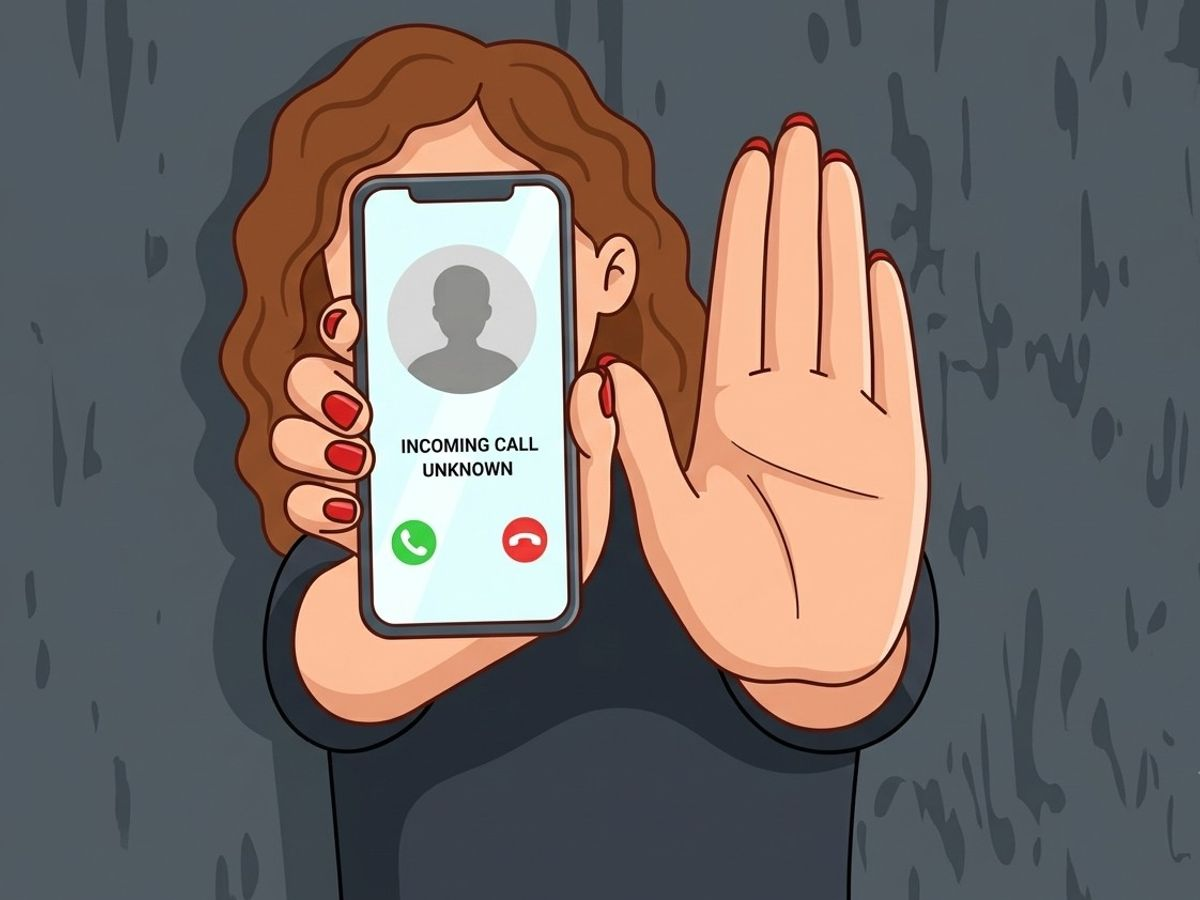
Spam calls have become an everyday nuisance for millions of smartphone users, but India's telecom regulator has now introduced new rules aimed at strengthening the country's fight against unwanted commercial calls.
The Telecom Regulatory Authority of India (TRAI) has amended its rules to require caller-ID and call-management apps that allow users to report spam calls to share those reports with telecom operators. The move is intended to give telecom companies access to a larger pool of information about suspected spam.
What has TRAI changed?
Under the revised framework, caller-ID and call-management applications that collect user reports about spam or junk calls will have to pass those reports to the telecom operators' anti-spam system.
The system maintained by telecom operators is designed to track commercial communications and help identify violations of India's anti-spam rules.
This effectively connects information collected by third-party caller-ID apps with the telecom industry's existing spam-monitoring infrastructure.
Why is this important for smartphone users?
Many people already use caller-ID applications to identify unknown numbers and report unwanted calls.
Until now, information generated through those apps and the telecom operators' own anti-spam systems have largely operated as separate layers.
The new framework is intended to make the information more useful by allowing telecom operators to receive a wider set of spam reports.
For consumers, the potential objective is straightforward: better identification of unwanted commercial calls and stronger action against repeat offenders.
Will your personal information be shared?
This is one area where the practical details will matter.
The new rules require spam reports to be shared, but questions remain about exactly what information applications will have to transmit, how those reports will be formatted and how the information will subsequently be stored and used.
Privacy and user-consent questions have therefore become an important part of the discussion around the new framework.
Users should also remember that reporting a number as spam does not necessarily mean that every call from that number will automatically be blocked.
What about AI-generated calls?
TRAI's amendments also address a growing technology trend: automated and AI-assisted voice calls.
Calls generated automatically by software, including robocalls and calls using prerecorded or artificial voices, will fall under the application-to-person communication framework.
Businesses using such systems will have to declare their use and the relevant numbers to telecom operators in advance. Undeclared automated calls can be treated as spam.
Can businesses still use AI for phone calls?
Yes.
The new framework does not amount to a blanket ban on AI-powered calling.
Instead, businesses using automated calling systems will have additional disclosure and regulatory requirements.
This is particularly relevant as companies increasingly experiment with AI voice agents for customer service, reminders, sales calls and other communication.
Will AI calls cost businesses more?
The revised framework allows telecom operators to impose a termination charge of up to 5 paise per minute on certain application-to-person calls.
However, specific designated number ranges can be exempt from the charge under the rules.
This could become an important consideration for companies that make large volumes of automated calls.
What should ordinary users do?
You don't need to change anything immediately.
However, it is still useful to continue following basic spam-protection practices:
-
Report unwanted calls through your caller-ID or phone application.
-
Avoid sharing OTPs, banking information or passwords over phone calls.
-
Do not click links sent by unknown callers through SMS or messaging apps.
-
Block persistent nuisance numbers.
-
Verify unexpected calls claiming to be from banks, government departments or delivery companies.
-
Use your telecom provider's official spam-reporting mechanisms when appropriate.
A bigger change in India's fight against spam
India's latest telecom rules reflect a broader shift in how spam detection is being handled.
Instead of relying exclusively on telecom operators or individual users, the new framework attempts to connect information from different parts of the communications ecosystem.
At the same time, the growing use of AI voice technology means regulators are increasingly dealing with calls that can be generated automatically at scale.
For smartphone users, the most noticeable impact may ultimately be whether these changes result in fewer unwanted calls appearing on their screens. The effectiveness of the framework will depend on how the new reporting and enforcement mechanisms are implemented in practice.