LIFESTYLE
Sprouted Chickpeas vs Sprouted Mung Beans: Which Is More Nutritious and Better for Your Health?
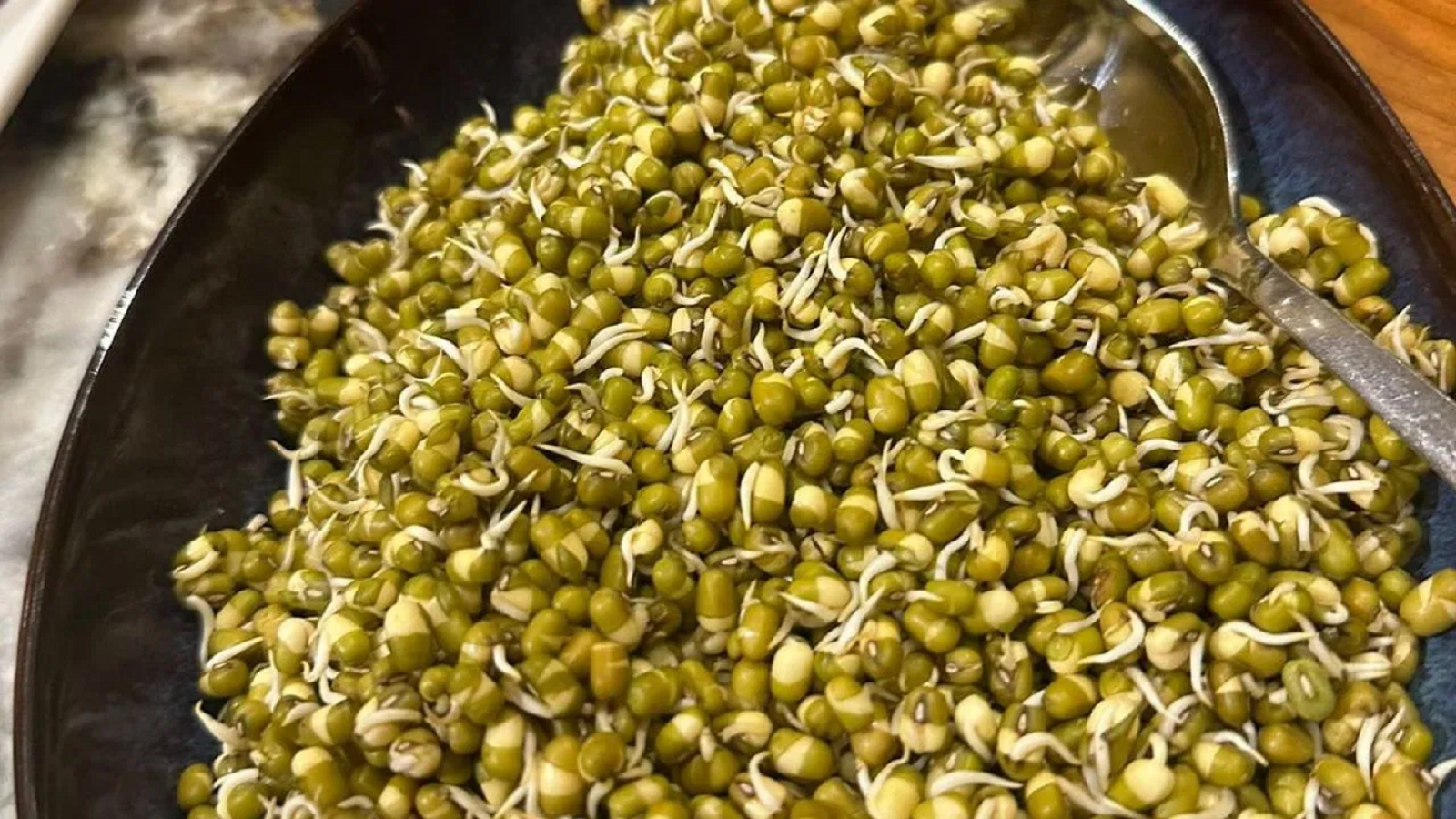
In today’s fast-paced lifestyle, people are becoming increasingly health-conscious, and sprouts have emerged as a popular superfood. Whether eaten at breakfast or as a light evening snack, sprouts are packed with essential nutrients like protein, fiber, vitamins, and minerals that support overall wellness. The two most common varieties—sprouted black chickpeas (kala chana) and sprouted mung beans (moong dal)—are both considered highly nutritious, but which one is better for you? Let’s compare.
Nutritional Profile of Sprouted Black Chickpeas
Sprouted black chickpeas are rich in protein and fiber, making them an excellent source of plant-based nutrition.
Per 100 grams, they contain:
-
Protein: 20.5 g
-
Fiber: 12.2 g
-
Calcium: 57 mg
-
Iron: 4.31 mg
-
Potassium: 718 mg
-
Vitamin C: 4 mg
Health Benefits:
Sprouted black chickpeas help regulate blood sugar levels, support digestion, promote heart health, and strengthen bones. They are also beneficial for managing weight due to their high fiber content, which keeps you full longer.
Nutritional Profile of Sprouted Mung Beans
Sprouted mung beans are slightly superior in nutritional density and are considered one of the easiest and most digestible plant proteins.
Per 100 grams, they provide:
-
Protein: 23.9 g
-
Fiber: 16.3 g
-
Calcium: 132 mg
-
Iron: 6.74 mg
-
Potassium: 1250 mg
-
Vitamin C: 4.8 mg
Health Benefits:
Sprouted mung beans improve digestion, aid in weight loss, help manage blood pressure, and strengthen immunity. They also contain antioxidants that protect cells from damage and promote glowing skin.
Which Is Better?
Both sprouted mung beans and sprouted black chickpeas are nutritional powerhouses. However, when compared directly, mung bean sprouts have slightly higher protein, fiber, calcium, iron, and potassium levels, making them a more nutrient-dense option.