BUSINESS
Street Vendors Can Get Loans, Interest Benefits and a RuPay Credit Card Under This Government Scheme
Street vendors often need working capital every day to purchase vegetables, raw materials, packaging and other supplies. To help them access formal credit instead of depending on informal lenders, the government is continuing the PM Street Vendor's AtmaNirbhar Nidhi (PM SVANidhi) scheme with an expanded set of benefits.
The restructured scheme has been extended until March 31, 2030, and now focuses not only on loans but also on digital payments, social security, skill development and entrepreneurship. The government aims to benefit 1.15 crore street vendors, including 50 lakh new beneficiaries.
What is PM SVANidhi?
PM SVANidhi is a government-backed scheme designed specifically for urban street vendors. It provides collateral-free working-capital loans to help vendors run and expand their businesses.
The scheme was originally launched in June 2020. After restructuring, its focus has been expanded to include financial inclusion and livelihood development.
What loan facility is available?
Eligible street vendors can access working-capital loans without providing traditional collateral.
The government has also introduced incentives for timely repayment, including interest subsidy support. This can make formal borrowing more affordable for small vendors who may otherwise rely on private lenders charging much higher rates.
New RuPay Credit Card facility
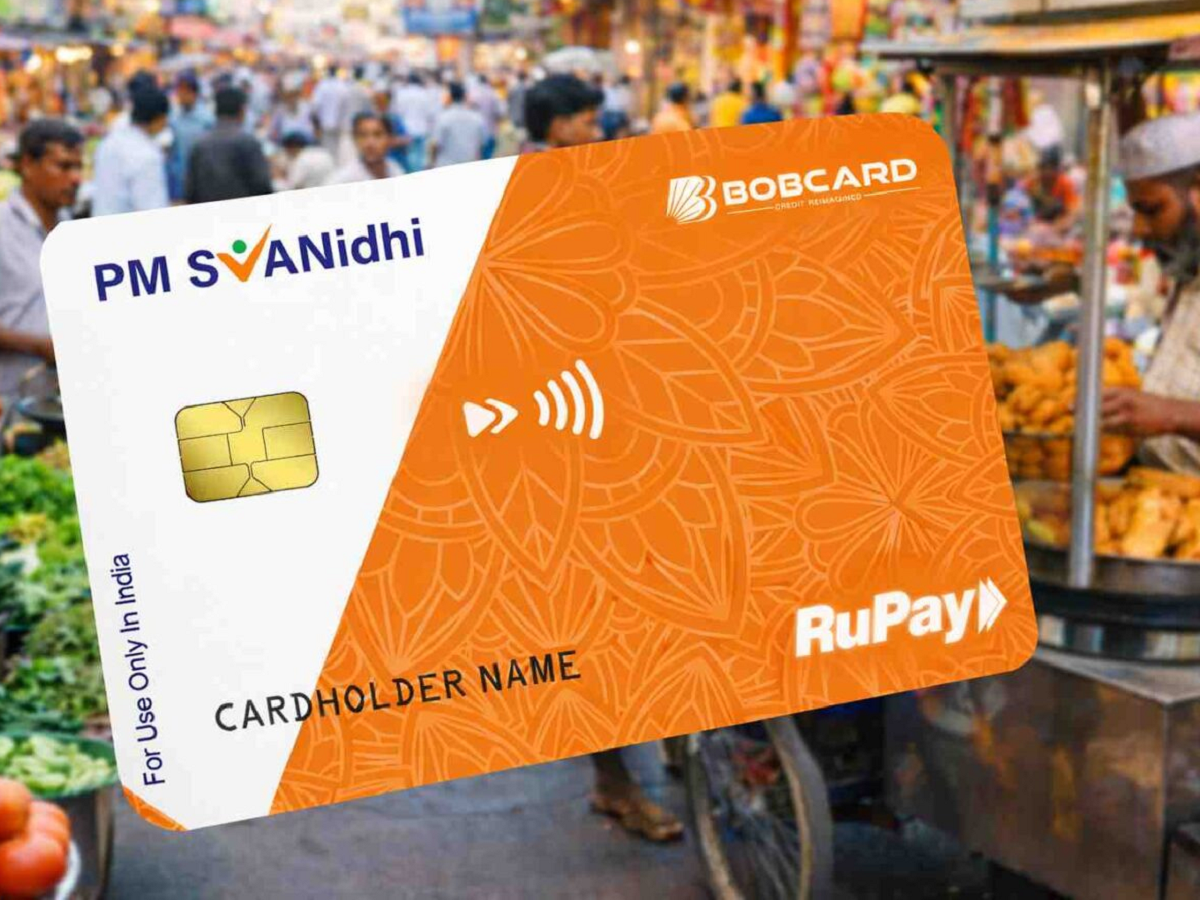
One of the important additions under the restructured scheme is a UPI-linked RuPay Credit Card.
Eligible vendors can receive a credit card with a limit of up to ₹30,000. This provides an additional formal-credit option that can be useful for day-to-day business expenses and working-capital requirements.
Digital payments can also bring benefits
The scheme encourages street vendors to adopt digital payments.
According to the government, vendors have already carried out more than 908 crore digital transactions under the scheme, while cashback incentives have also been provided to encourage digital adoption.
This means a vendor who accepts UPI payments can potentially benefit from both easier customer payments and scheme-linked incentives.
Government is organising special camps
For vendors who find government applications or banking procedures difficult, the government is organising Lok Kalyan Melas.
These camps bring street vendors, banks and Urban Local Bodies together and help vendors access credit, welfare schemes and capacity-building programmes.
The next round of these melas is scheduled from September 1 to September 30, 2026.
How many vendors have benefited?
The scheme has already reached a large number of street vendors.
Since its launch, 78.68 lakh street vendors have accessed more than 1.18 crore loans worth ₹19,171 crore, according to government data.
During the first year after restructuring, 21.86 lakh loans were disbursed to 10.56 lakh new beneficiaries, involving ₹6,294 crore.
More than just a loan scheme
PM SVANidhi has gradually expanded beyond providing working capital.
Under the associated SVANidhi se Samridhhi initiative, eligible families can also be connected with other government welfare programmes. The government says socio-economic profiling has been completed for more than 51 lakh beneficiary families.
The scheme also supports capacity building, digital financial inclusion and food-safety training for street-food vendors.
Who should look into this scheme?
Street vendors operating in urban areas who need formal working capital should check their eligibility.
This can include vendors selling:
-
Fruits and vegetables
-
Food and beverages
-
Clothes and household products
-
Flowers
-
Small daily-use goods
-
Other products or services through street vending
Eligibility and documentation requirements depend on the applicable government guidelines and local Urban Local Body verification.
Why this scheme matters
For a small street business, even a relatively modest amount of working capital can make a difference. A vendor may need money to purchase stock today and recover it through sales over the following days.
PM SVANidhi is intended to make that cycle easier by connecting vendors with formal credit, digital payments and other government support rather than leaving them dependent entirely on informal borrowing.
Bottom line: PM SVANidhi is no longer simply a small-loan programme. With its extended tenure until 2030, RuPay Credit Card facility, digital-payment incentives and access to other welfare schemes, it is becoming a broader financial and livelihood support programme for India's street vendors.