LIFESTYLE
Sunflower Seeds: A Tiny Superfood Packed With Vitamin E, Magnesium and Essential Nutrients
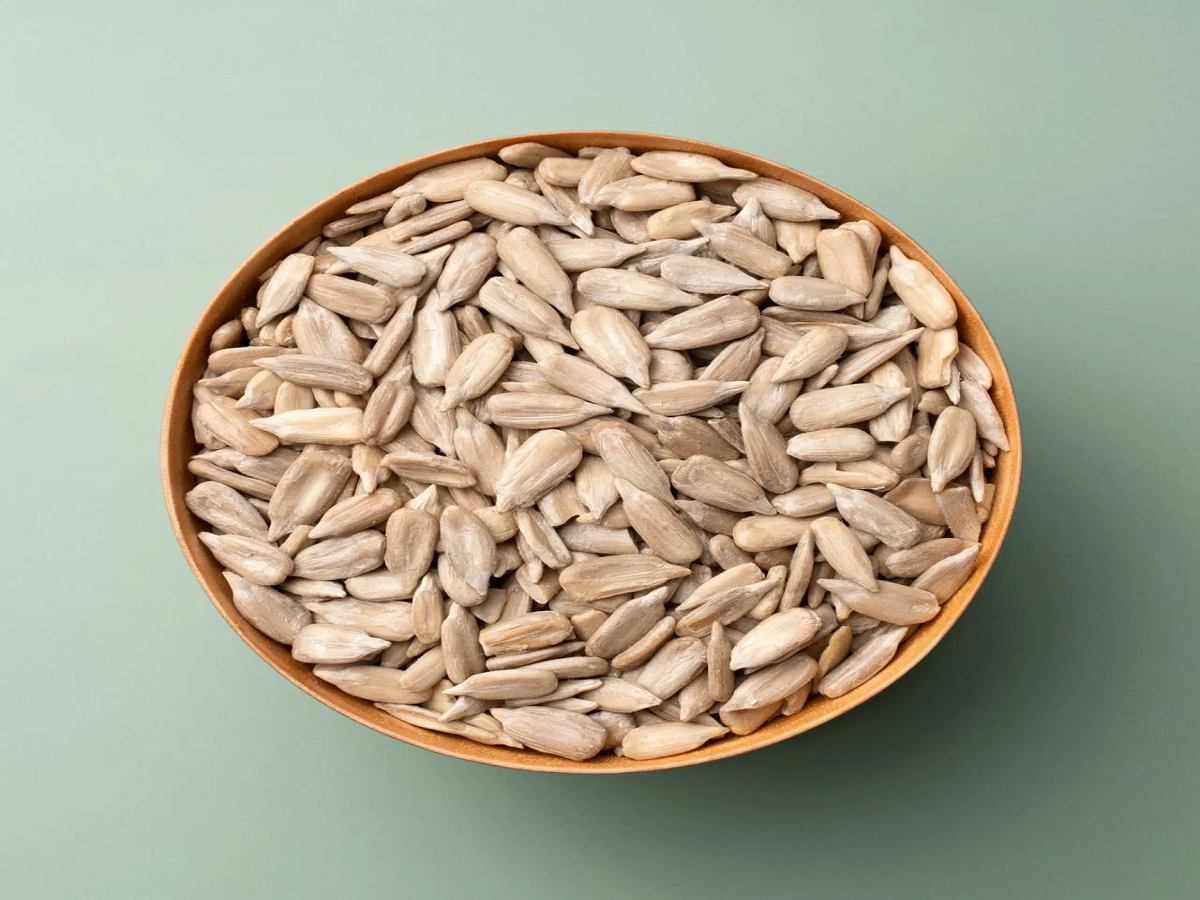
Maintaining a healthy body requires a balanced diet rich in essential vitamins, minerals and other nutrients. While fruits, vegetables and dairy products are commonly included in daily meals, seeds can also be an excellent addition to a healthy diet. Sunflower seeds, in particular, are packed with essential nutrients that support several bodily functions and provide a good source of energy.
Here are five important health benefits of including sunflower seeds in your daily diet.
1. Supports Nerve Health and Brain Function
Sunflower seeds contain vitamin B6, an essential nutrient that plays an important role in maintaining healthy nerve function. It also supports the production of neurotransmitters, enzymes and hormones. Additionally, vitamin B6 helps the body produce haemoglobin, which carries oxygen through the blood. Including sunflower seeds in your diet can help contribute to your daily vitamin B6 intake.
2. Rich in Vitamin E for Healthy Skin
One of the biggest nutritional benefits of sunflower seeds is their high vitamin E content. Vitamin E acts as an antioxidant and helps protect body cells from damage caused by free radicals. It also supports skin health and protects cells against oxidative stress. Sunflower seeds are particularly rich in this vitamin, making them a useful addition to a balanced diet.
3. Helps Maintain Healthy Magnesium Levels
Magnesium is an essential mineral involved in hundreds of processes in the human body. It supports muscle and nerve function, energy production, bone health and normal blood pressure regulation. Sunflower seeds provide a good amount of magnesium, making them a nutritious option for people looking to increase their intake of this important mineral.
4. An Easy Way to Add Nutrients to Your Breakfast
Sunflower seeds can be included in your daily diet in several ways. You can soak them overnight and add them to your breakfast, mix them with sprouts or combine them with fruits and yoghurt. They can also be sprinkled over salads, smoothies and oatmeal. However, soaking is not essential to obtain their nutritional benefits.
5. A Healthy Snack for Weight Management
Sunflower seeds contain healthy fats, protein and dietary fibre, which can help keep you feeling full for longer. They can be a convenient alternative to highly processed snacks. Around 25–30 grams of sunflower seeds can be a reasonable daily serving for most people. Those trying to manage their weight should pay attention to portion sizes because seeds are relatively high in calories.
How Much Sunflower Seeds Should You Eat Daily?
You can include approximately 25–30 grams of unsalted sunflower seeds in your daily diet. They can be consumed raw, roasted or added to different dishes. Choose unsalted varieties whenever possible and avoid excessive consumption.
Sunflower seeds are not a replacement for a balanced diet, but their nutritional value makes them a simple and convenient addition to everyday meals. Regular consumption in appropriate quantities can help you meet your nutritional requirements and support overall health.