LIFESTYLE
The Adulteration Trap: How Fake Claims and Poor-Quality Products Are Putting Consumer Trust at Risk
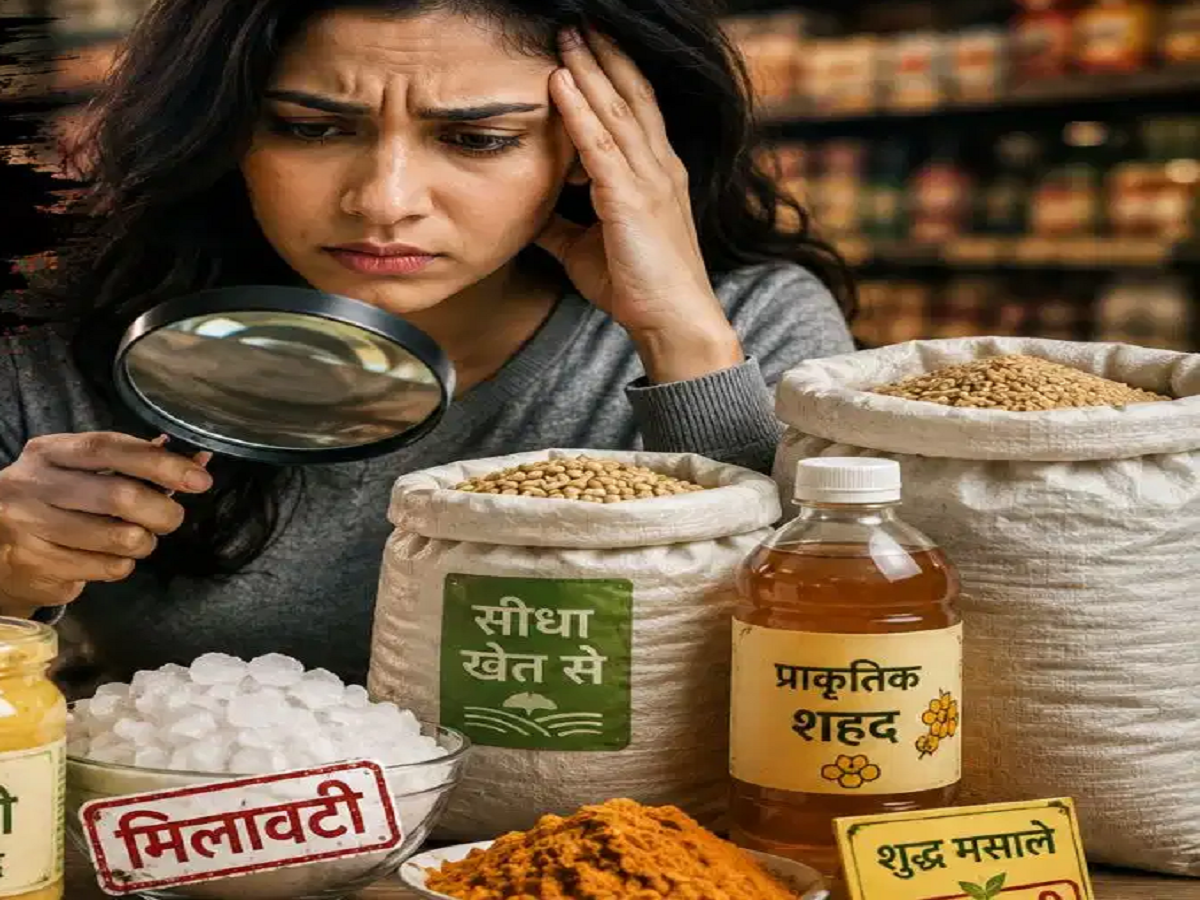
These days, consumers are increasingly looking for products that promise quality, purity and natural ingredients. From organic flour and chemical-free foods to natural personal-care products, brands are constantly trying to convince customers that what they are buying is pure, safe and trustworthy.
But behind these attractive claims lies a bigger question: How much of what we buy is actually what it claims to be?
From the toothpaste we use in the morning to the food we eat throughout the day and even the fragrance we use at home, consumers are increasingly forced to question product quality, ingredients and safety. Adulteration is no longer limited to a few food items. Mislabeling, substandard ingredients and misleading claims can affect several areas of everyday life.
Why Has Adulteration Become Such a Concern?
Modern packaging and branding often create a sense of reliability. Words such as "natural," "organic," "fresh" and "100 percent pure" can influence purchasing decisions. However, consumers still need to look beyond the front of the package and check the ingredients, nutritional information, certifications and other details.
The problem is particularly serious when cheaper or inferior ingredients are used in place of better-quality ones. Such practices can hurt consumers financially and, in some cases, raise genuine health concerns.
The Problem Starts With Everyday Products
Personal-care products such as toothpaste, soap and shampoo are part of almost everyone's daily routine. Consumers often focus on fragrance, packaging and advertised benefits, but the ingredient list and product standards are equally important.
Some personal-care products contain synthetic fragrances, preservatives, sulfates and other chemical ingredients. The presence of a chemical ingredient does not automatically mean that a product is unsafe, but consumers should be able to clearly understand what they are buying and whether the product meets applicable safety standards.
What's Happening in the Kitchen?
The kitchen is another major area where product quality matters.
Flour, milk, paneer, khoya, packaged beverages and other everyday foods can become a concern when inferior ingredients are added, products are mislabeled or food safety rules are ignored.
Milk, for example, has historically been subject to adulteration involving substances such as water and starch. Consumers should therefore pay attention to packaging, expiry dates, storage conditions and the credibility of the seller rather than relying only on attractive claims.
Similarly, packaged fruit drinks should not be judged solely by phrases such as "natural" or "fruity." Checking the actual fruit content, added sugar and other ingredients can provide a much clearer picture.
Spices Are Also Difficult to Judge
Ground spices can be particularly difficult for consumers to assess because their original appearance is no longer visible.
Turmeric, chilli powder and other spices may be difficult to evaluate simply by looking at them. Adulteration can involve cheaper ingredients or unauthorized colours and additives. Black pepper, for instance, has also been associated with cases where cheaper materials such as dried papaya seeds were mixed with the product.
This makes reliable sourcing and proper labeling especially important when purchasing powdered spices.
What About Cooking Oil and Honey?
Edible oils are another category where adulteration can have serious consequences. Mixing a more expensive oil with cheaper oils can mislead consumers, while certain hazardous adulterants have historically been linked to serious health problems.
Honey can also be difficult to judge simply by appearance or taste. Consumers should pay attention to the label, manufacturer details and product certifications instead of assuming that every product marketed as "pure" is automatically genuine.
Ordering Food Online Doesn't Remove the Risk
Many people may assume that ordering from a restaurant through a food-delivery platform automatically guarantees safety. That's not necessarily the case.
Food safety depends on factors such as hygiene, storage, preparation, packaging and handling. Issues such as stale food, poor hygiene, incorrect labeling or regulatory violations can occur regardless of whether the food is ordered online or purchased directly from a restaurant.
Before ordering, consumers can check restaurant information, reviews, hygiene-related details where available and whether the establishment appears to follow applicable food-safety requirements.
Even Home Fragrances Need Attention
The concern doesn't end with food.
Room fresheners, diffusers and fragrance products may contain synthetic fragrance compounds and volatile organic compounds (VOCs). Strong fragrances can cause irritation or headaches in some people, particularly in poorly ventilated spaces.
This doesn't mean every fragrance product is dangerous. Instead, consumers should use such products according to their instructions and maintain adequate ventilation, especially when using strongly scented products indoors.
The Bigger Issue Is Trust
When authorities take action against businesses suspected of violating quality or food-safety rules, the issue goes beyond a single shop or manufacturer. It raises a larger question about how effectively consumers are protected from misleading claims and unsafe products.
Raids, inspections and penalties are important, but preventing adulteration also requires strong enforcement, transparent labeling, responsible businesses and informed consumers.
Consumers, too, have an important role to play. Checking labels, expiry dates, ingredients, certifications and seller information can help people make better decisions.
Ultimately, the fight against adulteration is not only about protecting our food or household products. It is about protecting the trust consumers place in the products they bring into their homes. When transparency becomes more important than exaggerated claims and quality matters more than short-term profit, the web of adulteration can gradually begin to weaken.