LIFESTYLE
The Story of Ashwatthama: Mahadev Devotee Alive for Over 5,200 Years, Destined to Fight in the Last War of Kali Yuga
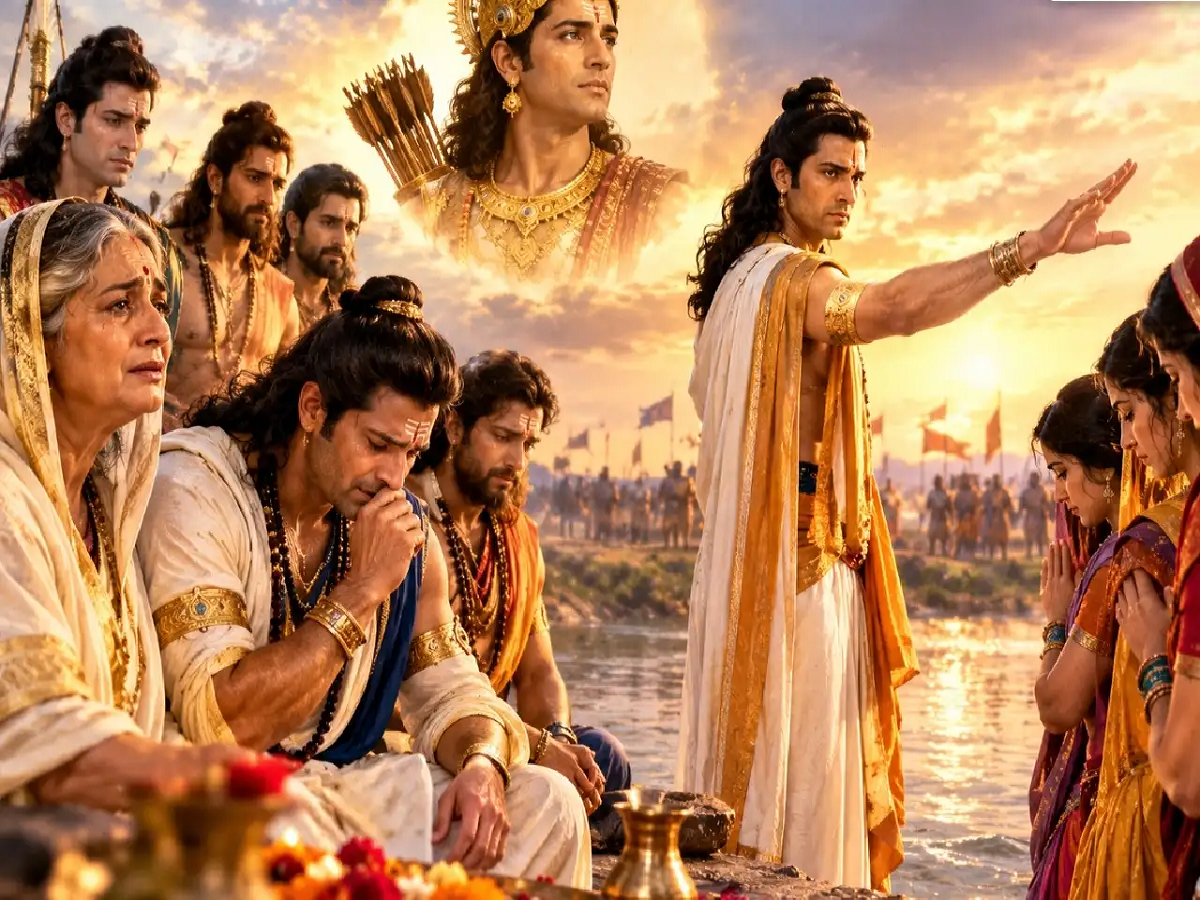
In Indian mythology, Ashwatthama is regarded as one of the few humans who has transcended the limits of time. A devout follower of Lord Shiva, he is said to wake at dawn, take a dip in the Ganges, and offer flowers and Bel leaves to the Shivalinga every day.
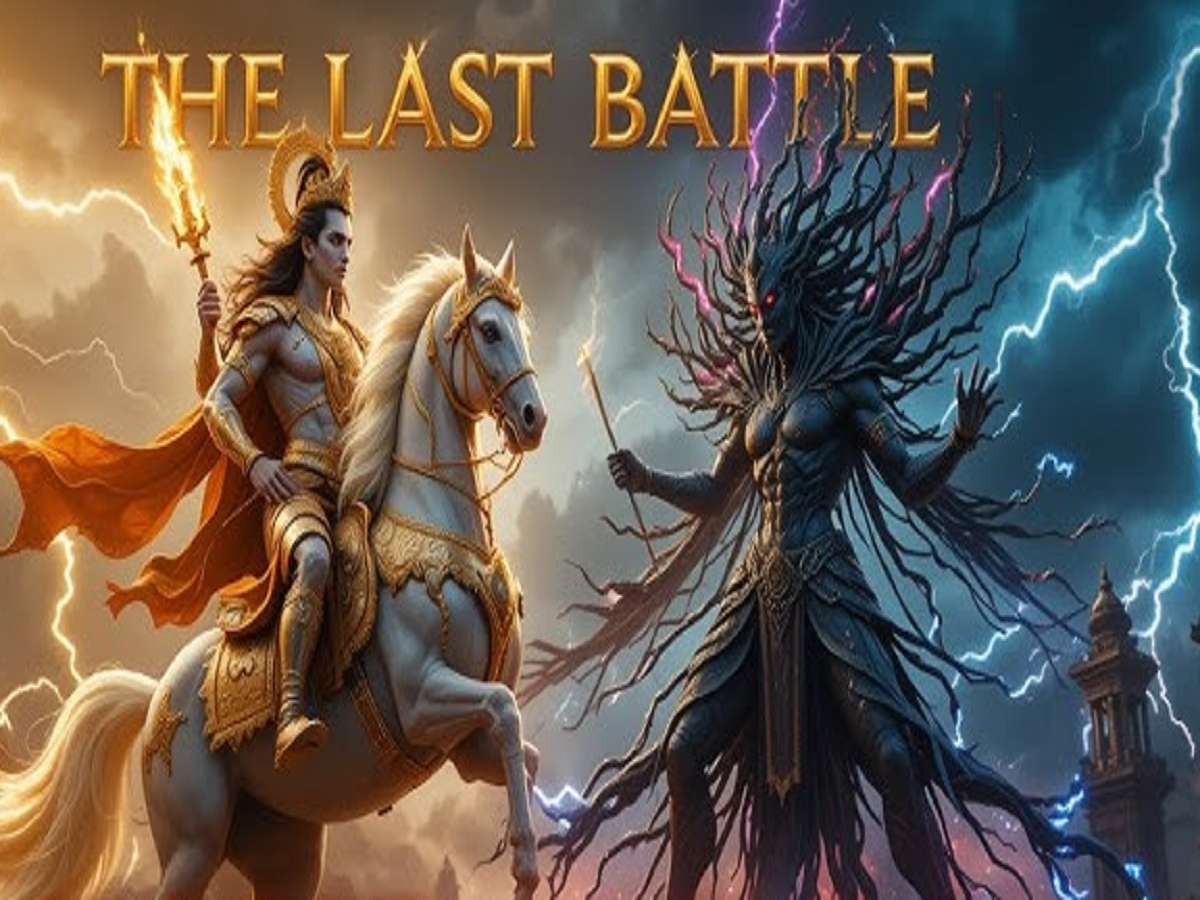
Legend has it that in the Kali Yuga, when Lord Vishnu incarnates as Kalki in the Sambhal district of Uttar Pradesh, Ashwatthama will join him in the final battle to defeat evil forces.
Cursed to Live Through Ages
Ashwatthama was the son of Guru Dronacharya, the royal teacher of the Kauravas and Pandavas. Born as a master archer and a formidable warrior, he fought valiantly in the Mahabharata War. However, after seeking revenge for his father’s death, he committed an act that incurred the wrath of Lord Krishna. As a result, Krishna cursed him to wander the earth for ages.
According to tradition, Ashwatthama was 78 years old during the Kurukshetra War, which places his birth around 3102 BCE, the beginning of Kali Yuga. This makes him over 5,200 years old today.
Ashwatthama’s Place of Penance
It is believed that Ashwatthama still lives in penance at Khodra Mahadev, located about 12 kilometers from Mhow in Madhya Pradesh, nestled in the Vindhyachal Hills. Devotees consider this site sacred and believe that he continues his spiritual practices there.
Lifespans Across Yugas
Hindu scriptures describe human lifespans as dramatically changing across the four Yugas:
-
Satya Yuga: 1,728,000 years; humans could live up to 100,000 years
-
Treta Yuga: 1,296,000 years; lifespan approximately 10,000 years
-
Dwapar Yuga: 864,000 years; humans lived up to 1,000 years
-
Kali Yuga: 432,000 years; current era, maximum human lifespan around 100 years
Ashwatthama, however, is an exception, surviving through these cycles due to the curse and divine intervention.
His Role in the Last War
When Lord Kalki appears, Ashwatthama is believed to join the divine forces to eliminate demons in the final battle of Kali Yuga. His enduring life and devotion to Mahadev make him a unique figure in Hindu mythology—a symbol of eternal penance, loyalty, and divine destiny.