LIFESTYLE
These diseases can be detected from period blood; women should know this important information
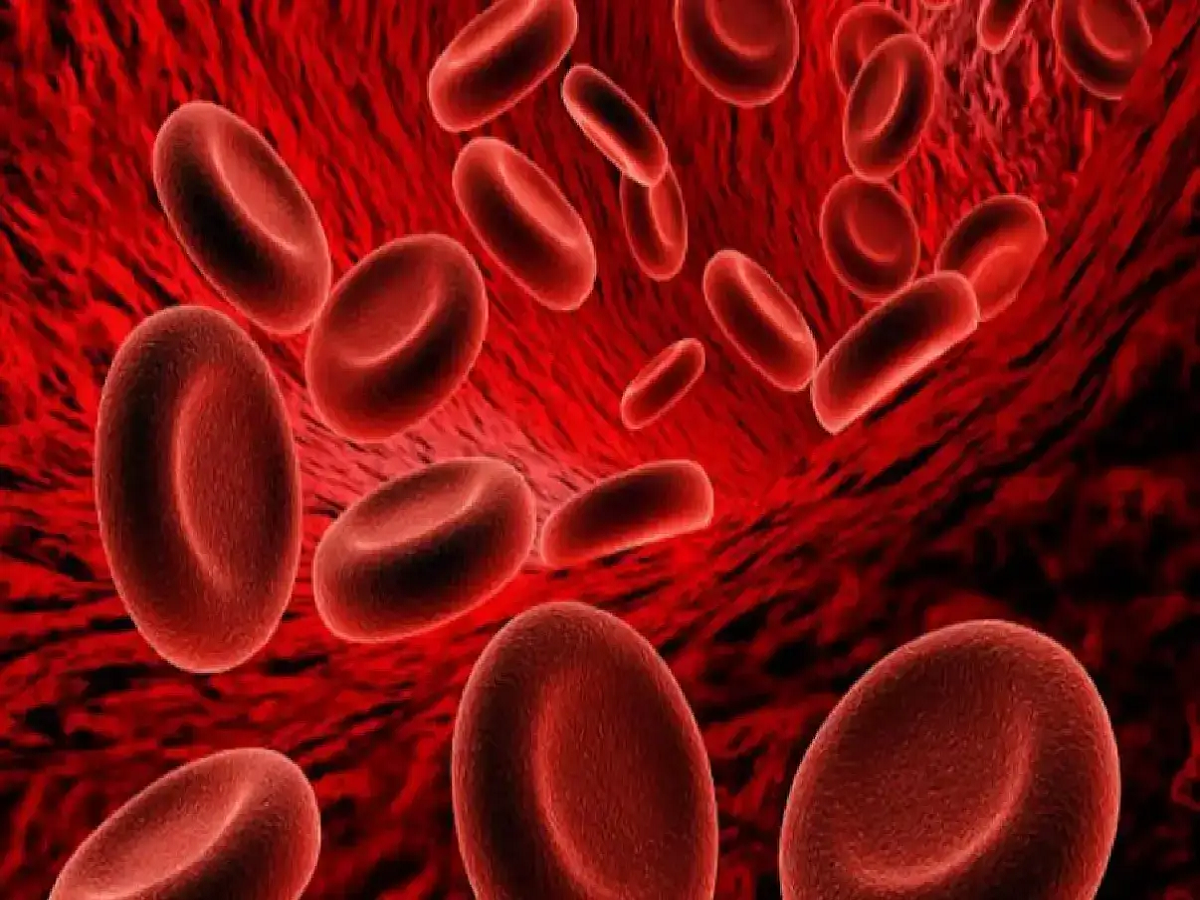
The blood that comes out of a woman's body during menstruation is not just a normal physical process; it can also indicate several health problems. Scientists say that it provides important health information. The blood that comes out of the body during menstruation provides many important clues about the condition of the uterus. Recently, research on this issue has intensified to provide more information.
Health experts say that the blood released during menstruation can help diagnose many problems related to the uterus. According to them, it is a biological sample that can be very useful in providing information about uterine health, as it is usually difficult to fully assess the condition of the uterus. In this article, we will learn how the blood released during menstruation can provide information about diseases.
May indicate diseases such as endometriosis
Endometriosis is a gynecological disease found in women. Endometrial tissue, which normally lies inside the uterus, sometimes begins to grow outside the uterus. This tissue can grow on the ovaries, fallopian tubes, pelvic area, or sometimes other organs. This can cause severe pain, swelling, and other health problems during periods. Scientists are researching whether this disease can be detected from menstrual blood.
Research has shown that women with endometriosis have different cell types and gene expression patterns in their menstrual blood. For example, their uterus has fewer immune cells called natural killer cells. These cells play a key role in the pregnancy process and protect the body from infection. This may also provide information about other problems in the uterus.
Experts believe that period blood may indicate the risk of not only endometriosis but also several other conditions. For example, it can help identify inflammation in the lining of the uterus, growths in the lining of the uterus, and the risk of uterine cancers such as endometrial cancer. Research has also found that cells in period blood produce excessive inflammatory signals that may affect the ability of the lining of the uterus to heal normally. This condition has also been linked to other conditions such as polycystic ovary syndrome or recurrent miscarriage.
Scientists in search of biomarkers.
Scientists are trying to identify specific proteins, genes, and cells in menstrual blood, called biomarkers. If these biomarkers are clearly identified, they will be very useful in the future. This will allow the detection of potentially life-threatening diseases without surgery. To this end, researchers have begun examining samples from thousands of women. Researchers believe that menstrual blood could become an easy and painless method of diagnosis in the future.
PC: Navarastra