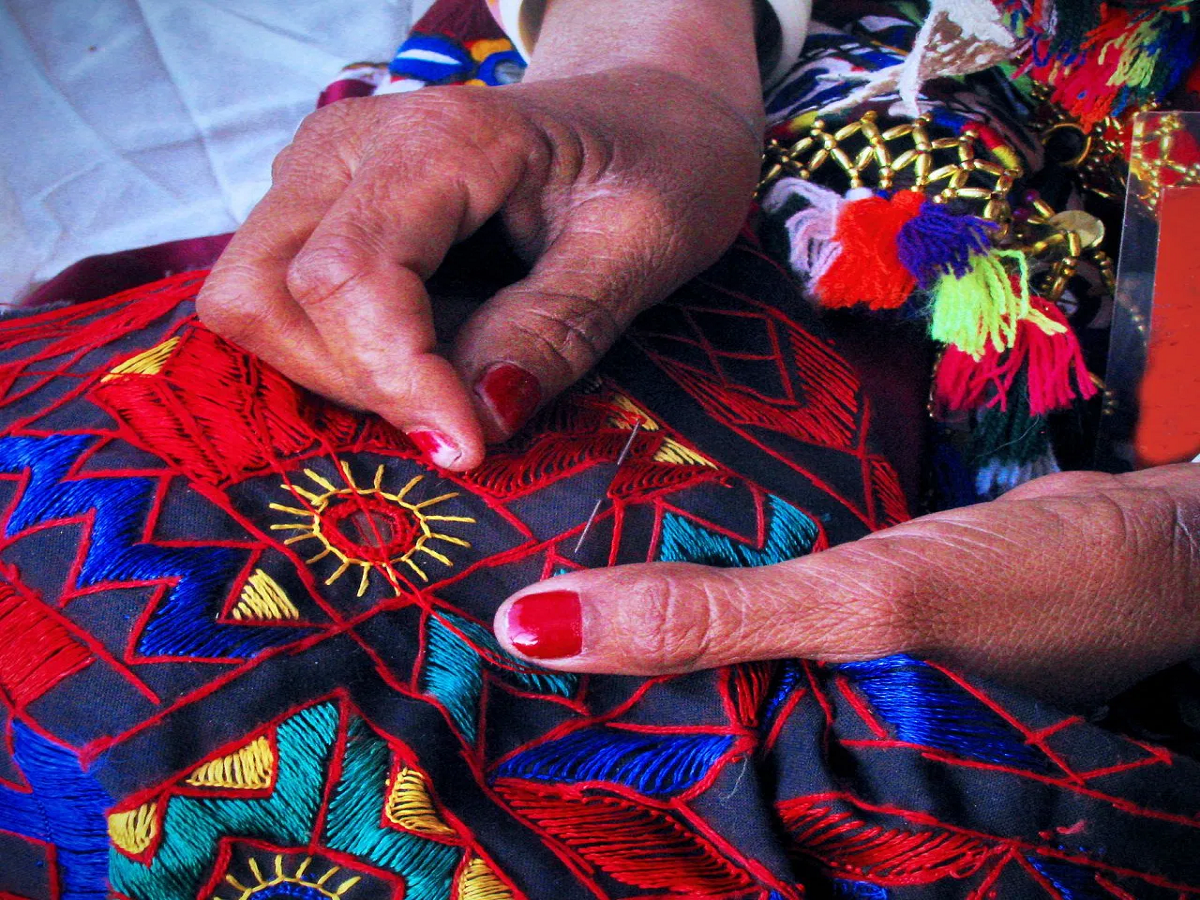
India’s textile heritage is a story written in needle and thread. For centuries, artisans across different regions have created embroidery styles that are not just decorative, but deeply cultural, symbolic, and timeless. Today, these traditional Indian embroidery techniques are not confined to local wardrobes—they have earned global recognition and are celebrated by international designers, fashion houses, and textile collectors alike.
From royal courts to modern runways, here are five iconic Indian embroidery styles that continue to shine across the world.
1. Zardozi: The Language of Royal Luxury
Zardozi embroidery has long been associated with opulence and grandeur. Traditionally crafted using gold and silver threads, this elaborate technique once adorned the garments of kings, queens, and nobility. Intricate motifs featuring pearls, stones, cut dana, and star-like patterns gave Zardozi its unmistakable regal appeal.
While Zardozi originated in royal ateliers, it has evolved with time. Today, this embroidery style is no longer limited to bridal lehengas or sherwanis. International fashion houses have embraced zari-inspired detailing on jackets, gowns, and even contemporary Western silhouettes. The fusion of metallic embroidery with modern tailoring has helped Zardozi maintain its relevance on a global stage.
2. Chikankari: Understated Elegance from Lucknow
In sharp contrast to Zardozi’s grandeur, Chikankari embroidery from Lucknow is known for its subtle beauty and refined simplicity. Crafted primarily with white thread on light fabrics, Chikankari is cherished for its comfort, breathability, and timeless charm.
This embroidery style has found admirers far beyond India, thanks to its minimalist aesthetic and versatility. Global designers appreciate how effortlessly Chikankari blends into modern fashion. Renowned Indian couture designers like Abu Jani Sandeep Khosla have showcased this craft on international platforms, helping it gain worldwide recognition.
3. Phulkari: Punjab’s Vibrant Storytelling Art
Phulkari, meaning “flower work,” is a colorful and expressive embroidery tradition from Punjab. Traditionally created by women, Phulkari is rich in symbolism and emotion. Each pattern tells a story—whether it’s Chop embroidery for married women, Bagh work that densely covers the fabric, or Sudhra designs stitched as a symbol of love for grandchildren.
Some of the most intricate forms, such as Bawan Bagh, feature 52 distinct patterns. Over time, Phulkari has evolved beyond dupattas and shawls. Today, it appears on denim jackets, handbags, and boho-inspired outfits, often incorporating mirrors and cowrie shells. This fusion approach has helped Phulkari gain popularity among international fashion lovers.
4. Kashmiri Embroidery: Art Inspired by Nature
Kashmiri embroidery is admired worldwide for its finesse and storytelling. Crafted using a single, continuous stitch, artisans create detailed patterns inspired by nature—poplar leaves, lotus flowers, and delicate vines.
Kashmiri shawls remain one of India’s most sought-after exports, treasured for both warmth and artistry. Embroidered pherans are also popular among international tourists, who see them as wearable art. The precision and elegance of Kashmiri embroidery have ensured its place in luxury textile markets across Europe and beyond.
5. Gota Patti: Rajasthan’s Festive Brilliance
Gota Patti is a traditional Rajasthani appliqué embroidery that instantly evokes celebration and grandeur. Crafted using gold or silver ribbons stitched onto fabrics like georgette, chiffon, and silk, this embroidery style is commonly seen in lehengas, dupattas, and festive kurtis.
Originally worn by royalty in Rajasthan, Gota Patti has become a favorite for weddings and special occasions worldwide. Its reflective shine and bold patterns have caught the attention of global stylists, making it a regular feature in destination weddings and international fashion showcases.
A Living Heritage
These embroidery styles are more than decorative techniques—they are living traditions passed down through generations. Their global appeal lies in their authenticity, craftsmanship, and ability to adapt without losing their soul.