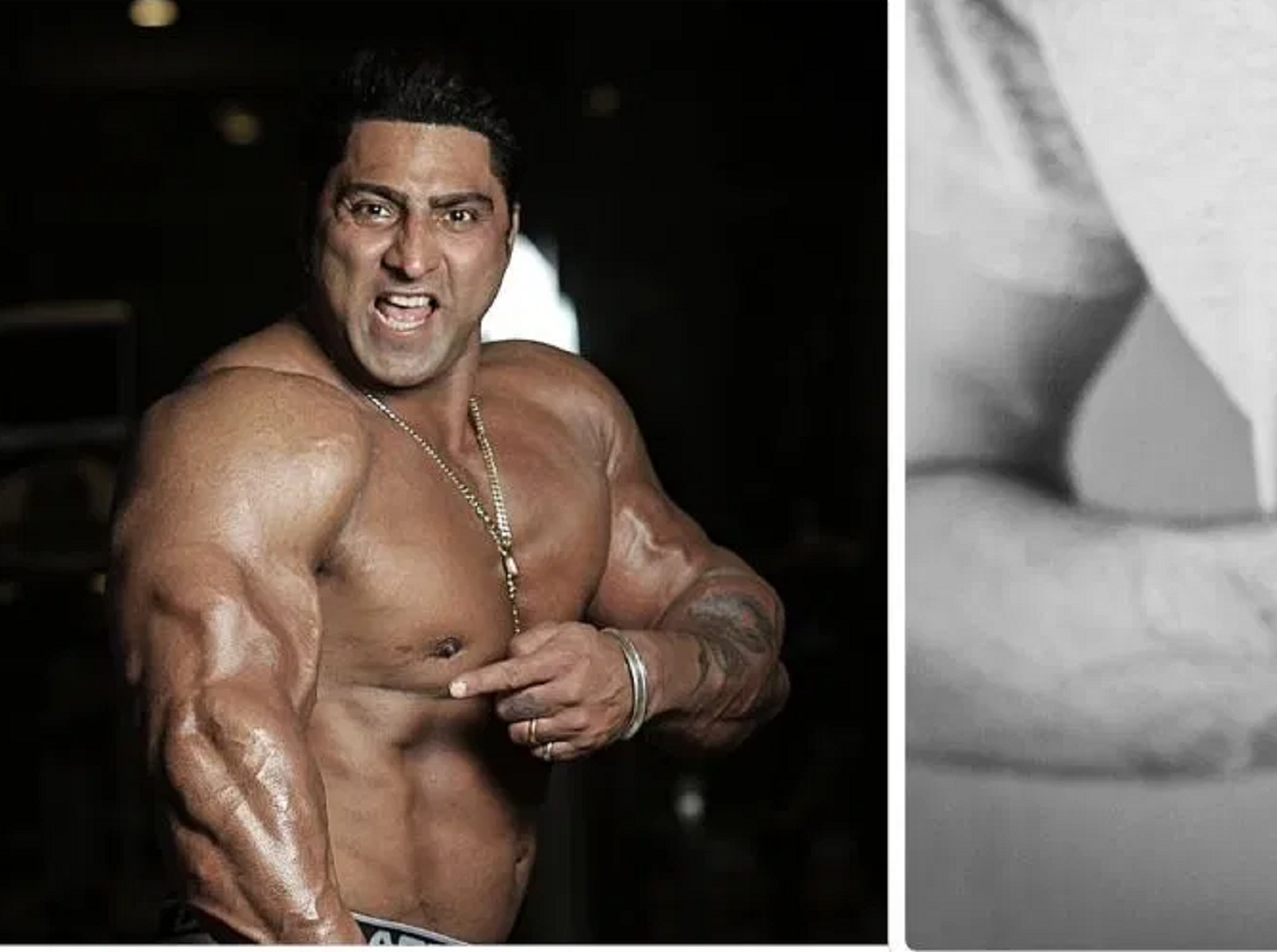
The fitness world was left shocked by the sudden demise of renowned Indian bodybuilder Varinder Singh Ghuman, fondly known as “The He-Man of India.” The 42-year-old from Jalandhar, Punjab, who won the title of Mr. India 2009, was celebrated for his vegetarian lifestyle and remarkable physique. His untimely passing serves as a reminder that even the fittest individuals are not immune to heart-related risks.
Many people assume that regular exercise and bodybuilding guarantee protection against heart disease. However, experts say that as we age, failing to adapt our diet and physical activity to our changing bodies can increase cardiovascular risk.
Why Do Heart Attacks Occur?
According to an NCBI report, high levels of LDL cholesterol (bad cholesterol) restrict blood flow through the arteries, forcing the heart to work harder. This increased strain raises the risk of heart attacks and other cardiovascular conditions. While heart attacks can’t always be completely prevented, lifestyle and dietary modifications can significantly reduce the risk.
As we age, other factors such as stress, poor diet, high blood pressure, and sedentary habits contribute to heart issues. Uncontrolled cholesterol can lead to hypertension and even conditions like brain hemorrhage. Common symptoms of heart attack include chest pain, shortness of breath, restlessness, and discomfort in the shoulders or back.
Expert Advice for Heart Health
Dietitian Surabhi Pareekh from Jaipur explains that excessive exercise after the age of 40 can sometimes do more harm than good. “People often make changes to their diet or workout plans but forget to consider the body’s changing needs with age,” she says. “Organs like the kidneys and heart require more mindful care over time.”
She emphasizes the importance of a balanced diet that includes whole grains, pulses, vegetables, and millets as natural protein sources. Sudden dietary changes or extreme diets, especially after years of unhealthy eating, can shock the system and put unnecessary stress on the body.
Yoga and Rest: The Unsung Heroes of Heart Health
At this stage of life, stress management is as crucial as physical fitness. According to Pareekh, the 40s bring heightened mental and emotional strain, which can also impact heart health. She calls yoga a panacea, as it strengthens the lungs, reduces stress, and promotes better blood circulation.
Additionally, maintaining a consistent sleep routine is vital. Over-exercising at the cost of adequate rest can disrupt the body’s recovery process and strain the heart. A combination of balanced nutrition, regular moderate exercise, yoga, and quality sleep is key to maintaining a healthy heart after 40.