A healthy brain needs proper nutrition just as much as the rest of the body. The foods we eat provide essential nutrients that support brain function, nerve health, learning and memory. While no single food can guarantee a strong memory, maintaining a balanced diet that includes nutrient-rich ingredients may help support long-term brain health.
From eggs and leafy greens to nuts and berries, here are five foods that can be valuable additions to a brain-friendly diet.
1. Eggs
Eggs are a convenient source of several nutrients that are important for brain health. They contain choline, phospholipids and omega-3 fatty acids, depending on the type of egg.
Choline is involved in the production of acetylcholine, a neurotransmitter that plays an important role in memory and other brain functions. The nutrients found in eggs also support the structure and functioning of brain cells.
Adding eggs to breakfast or another meal can therefore be an easy way to include protein and important micronutrients in your diet.
2. Fatty Fish and Other Seafood
Seafood is particularly well known for its omega-3 fatty acids, especially DHA, which is an important component of brain cell membranes.
Fish and shellfish can also provide high-quality protein along with nutrients such as iodine, selenium, vitamin D, zinc and vitamin B12. These nutrients are involved in processes ranging from nervous-system development to neurotransmitter production.
Salmon, sardines, mackerel and tuna are among the commonly consumed options. If you don't eat seafood, you can obtain omega-3s from plant-based sources such as flaxseeds, chia seeds and walnuts, although the type of omega-3 differs.
3. Berries
Berries can add both flavour and antioxidants to your diet.
Fruits such as strawberries, blueberries, raspberries and blackberries contain flavonoids and other polyphenolic compounds. These substances have antioxidant properties and may help protect cells from oxidative stress.
Including a variety of colourful fruits in your diet can therefore contribute to overall health while providing nutrients that support healthy ageing and brain function.
4. Green Leafy Vegetables
Don't overlook the humble greens on your plate.
Vegetables such as spinach, fenugreek leaves, kale and other leafy greens provide folate, carotenoids, vitamin K and various antioxidant compounds.
These nutrients support normal cellular and nervous-system functions. Making seasonal green vegetables a regular part of meals is a simple way to improve the nutritional quality of your diet.
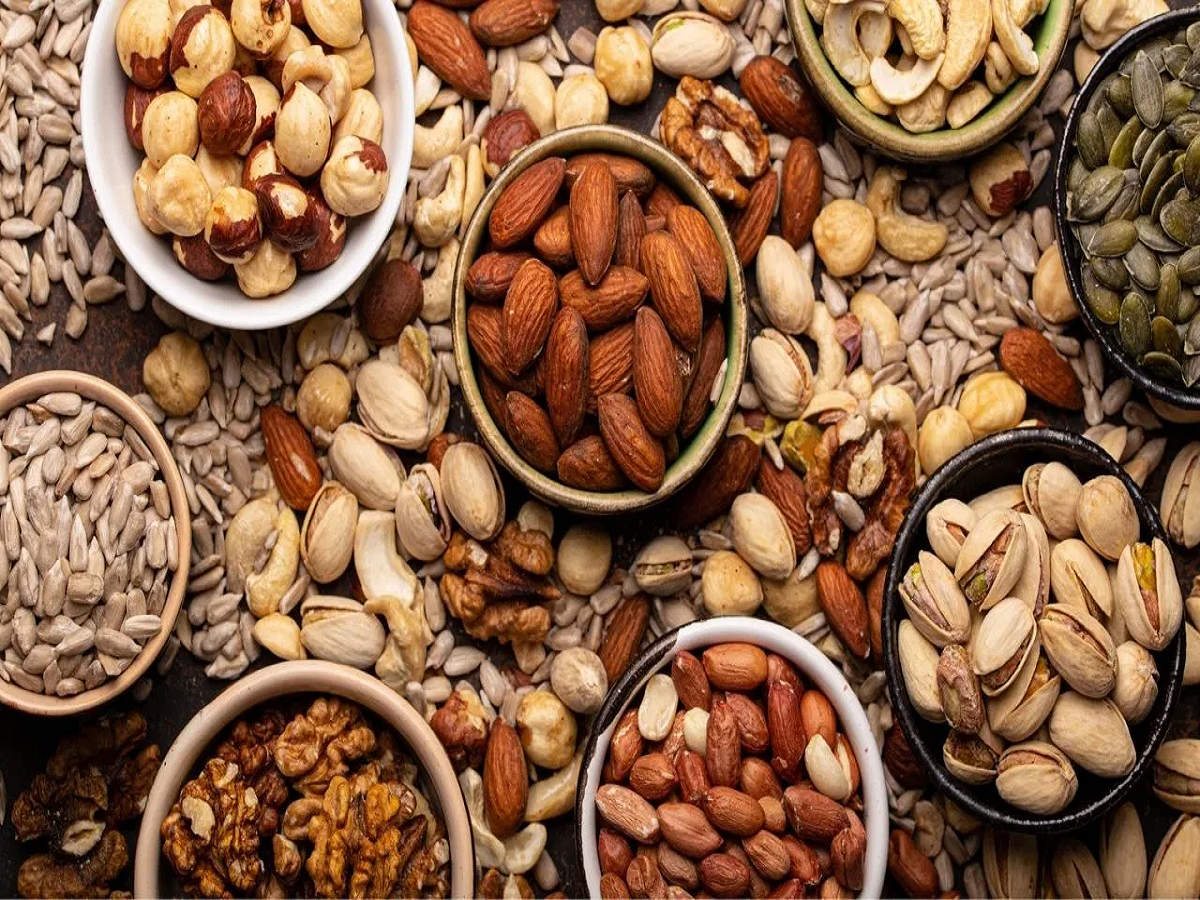
5. Nuts and Seeds
Nuts and seeds are small but nutrient-dense foods. They contain healthy fats, protein, amino acids, vitamin E and various plant compounds.
Vitamin E and other antioxidant compounds help protect cells from oxidative damage, while healthy fats contribute to the structure of cell membranes.
You can include options such as walnuts, almonds, pistachios, pumpkin seeds, sunflower seeds, chia seeds and flaxseeds. Since nuts and seeds are calorie-dense, moderate portions are generally enough.
A Healthy Brain Needs More Than Just One Food
Adding these foods to your diet can help provide nutrients associated with brain health, but maintaining memory and cognitive function involves much more than individual ingredients.
A balanced diet, regular physical activity, adequate sleep, stress management and staying mentally and socially active all contribute to overall brain health.
Instead of looking for a single “memory-boosting” food, focus on building a varied diet containing vegetables, fruits, whole grains, pulses, nuts, seeds and adequate protein. Small, consistent dietary choices can make a meaningful contribution to overall health as you age.