WhatsApp is one of the most widely used messaging apps, which also makes it an attractive target for scammers and account-takeover attempts. The platform has introduced several security and privacy improvements in 2026, including stronger two-step verification, passkeys and better protection against suspicious callers.
Here are some of the most useful features and settings you should know about.
1. Two-step verification is getting stronger
WhatsApp's two-step verification previously relied on a six-digit PIN. The company has now announced an upgraded system that supports a longer alphanumeric password, making it harder for attackers to guess or compromise an account.
If you haven't enabled two-step verification yet, it is worth checking your WhatsApp account settings and activating the strongest option available to you.
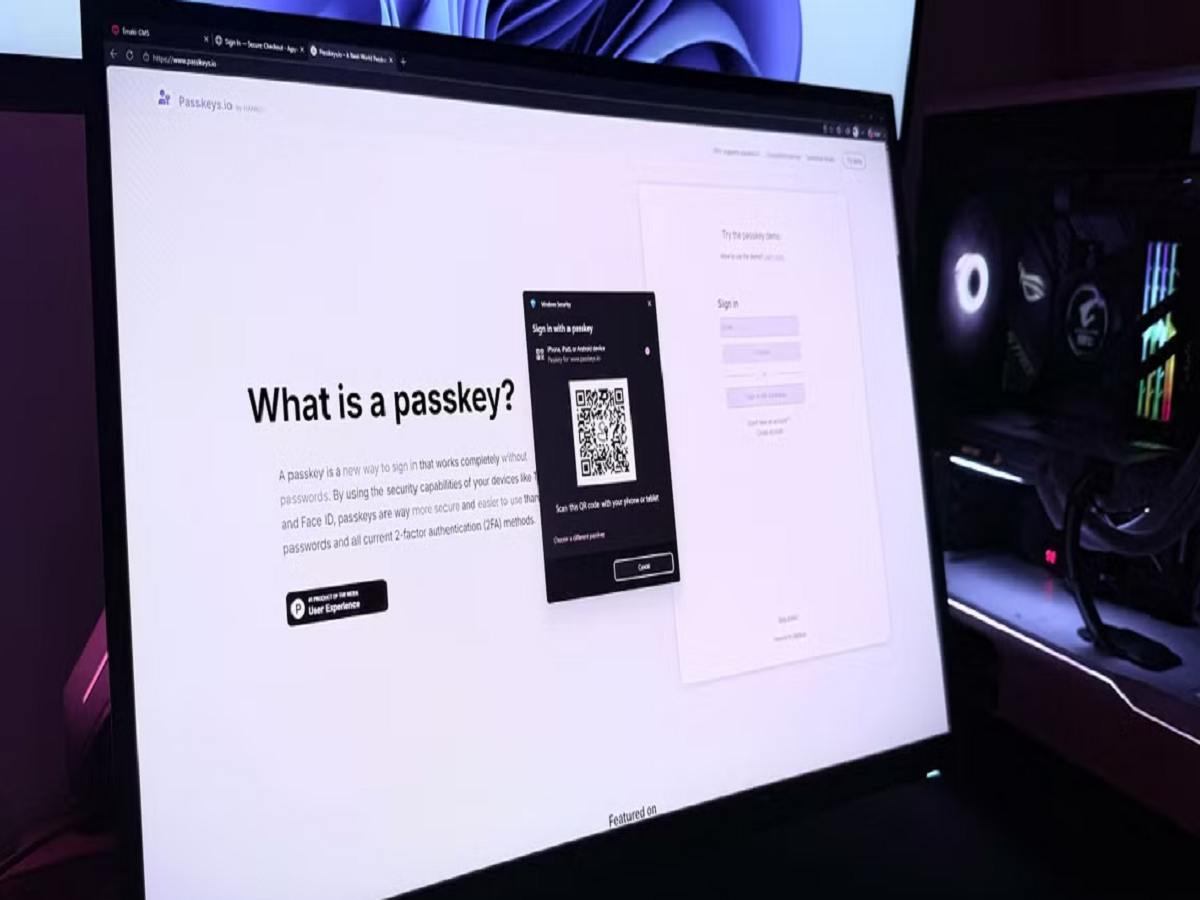
2. Passkeys can replace verification codes
Passkeys provide another way to verify your identity using your phone's fingerprint, Face ID or screen-lock method.
WhatsApp says more than 1 billion people have already set up passkeys. Users can also have more than one passkey when using both Android and iOS devices.
The feature can be accessed through:
WhatsApp → Settings → Account → Passkeys
3. Unknown callers now come with more information
Receiving a call from an unknown number can be risky, particularly when scammers attempt to create a sense of urgency.
WhatsApp has introduced additional context for calls from people who aren't in your contacts. On Android, users can see information such as whether the caller's number is from another country or whether they share a group with the caller.
This can give you a moment to decide whether answering the call makes sense.
4. Strict Account Settings offer an extra layer of protection
WhatsApp has also introduced Strict Account Settings, designed particularly for people who may face sophisticated cyberattacks.
When enabled, the feature applies more restrictive protections, including automatically blocking attachments and media from unknown senders and silencing calls from people you don't know.
For most users, the normal privacy and security settings may be sufficient, but people who believe they could be specifically targeted can consider this additional protection.
5. Be careful when sharing your phone number
WhatsApp is also moving toward usernames, which could allow people to connect without immediately revealing their phone number. The company began allowing users to reserve usernames ahead of the feature's planned launch.
This could be particularly useful when joining groups or communicating with people you don't know personally.
6. Keep WhatsApp and your phone updated
Security features are only useful when your software is up to date. WhatsApp recommends keeping both the app and device updated, particularly as the company continues working against sophisticated cyber threats.
Android is also introducing additional protections against device theft, malicious applications, OTP theft and other attacks in its newer security systems.
What should you do today?
You don't need to change dozens of settings. Start with these simple steps:
- Enable two-step verification
- Set up a passkey if available
- Review privacy settings
- Avoid responding to suspicious callers
- Consider Strict Account Settings if you face elevated security risks
- Keep WhatsApp and your smartphone updated
- Never share OTPs, passwords or verification codes with anyone
As messaging apps become increasingly connected to payments, personal conversations, work and digital identity, account security is becoming just as important as having a strong phone password. A few minutes spent strengthening your WhatsApp account today could prevent a much bigger problem later.