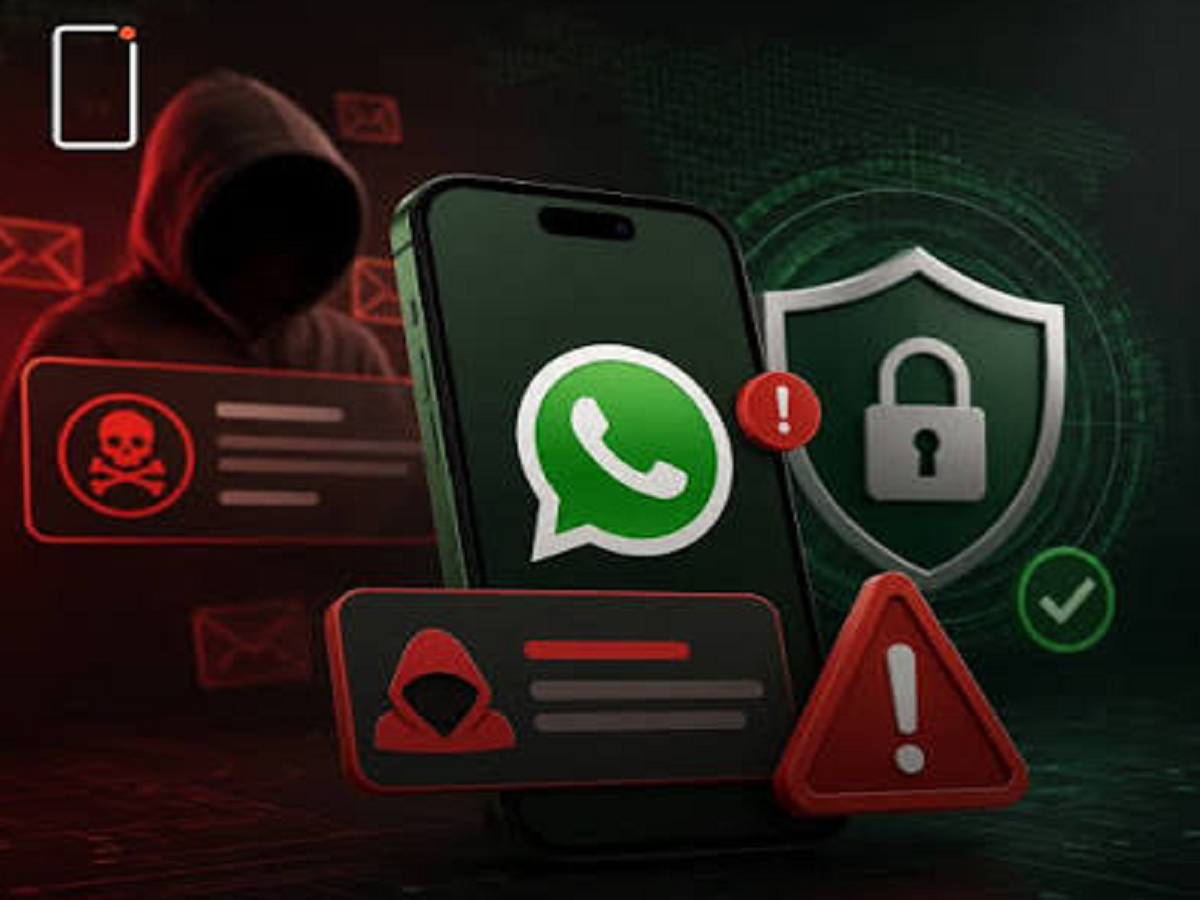
Online scams are becoming increasingly difficult to identify, especially when fraudulent messages are designed to look like genuine conversations. WhatsApp is now testing a new Scam Alert feature that uses on-device artificial intelligence to identify potentially suspicious messages and warn users before they fall into a trap.
The feature is particularly useful because WhatsApp says the optional system can analyse potential scam patterns on the device, rather than requiring users to hand over the contents of their private chats.
How Does WhatsApp Scam Alert Work?
The new feature uses an AI model to look for signs that a conversation may be part of a scam.
For example, a suspicious message may attempt to convince you to:
- Send money urgently
- Share an OTP or verification code
- Click on a potentially dangerous link
- Provide personal or financial information
- Continue a conversation with an unknown account
If WhatsApp detects a potentially suspicious pattern, it can provide an alert so that users can stop and reconsider before taking action.
Your Messages Are Not Simply Sent to WhatsApp
Privacy is an important part of the new feature.
WhatsApp says the Scam Alert system uses an on-device AI model, meaning the analysis can take place on the smartphone itself. This is significant because users may be reluctant to use security features if they believe their private conversations are being uploaded for analysis.
The feature is also optional, giving users greater control over whether they want to use the additional protection.
Why Is This Feature Important?
Scammers frequently rely on urgency and fear.
A message may claim that your bank account will be blocked, a parcel is waiting for payment, a reward is expiring or an investment opportunity will disappear unless you act immediately.
These tactics are designed to make people react without thinking.
A warning from WhatsApp could provide an important pause before a user clicks a link or transfers money.
AI Is Becoming a Bigger Part of WhatsApp Security
WhatsApp has increasingly been using technology to tackle scams and suspicious activity.
The new Scam Alert feature is another example of AI being used for security rather than just generating content or answering questions.
This could become increasingly important as scammers themselves begin using AI to create more convincing messages, fake profiles and personalised fraud attempts.
What Should You Do If You Receive a Suspicious Message?
Even with new security tools, users should remain careful.
Never share your OTP, UPI PIN, banking password, card details or other sensitive information with someone simply because they claim to represent a bank, delivery company, government department or another organisation.
You should also avoid clicking unfamiliar links, particularly when a message creates unnecessary urgency.
If a message appears suspicious, use WhatsApp's built-in options to block and report the account.
A Useful New Layer of Protection
WhatsApp's Scam Alert feature won't eliminate online fraud, but it could give users another layer of protection at an important moment.
The biggest advantage is that the system is designed to detect suspicious patterns while keeping the analysis on the device.
As online scams become more sophisticated, features that combine AI detection, privacy protection and user control could become an increasingly important part of everyday messaging apps.