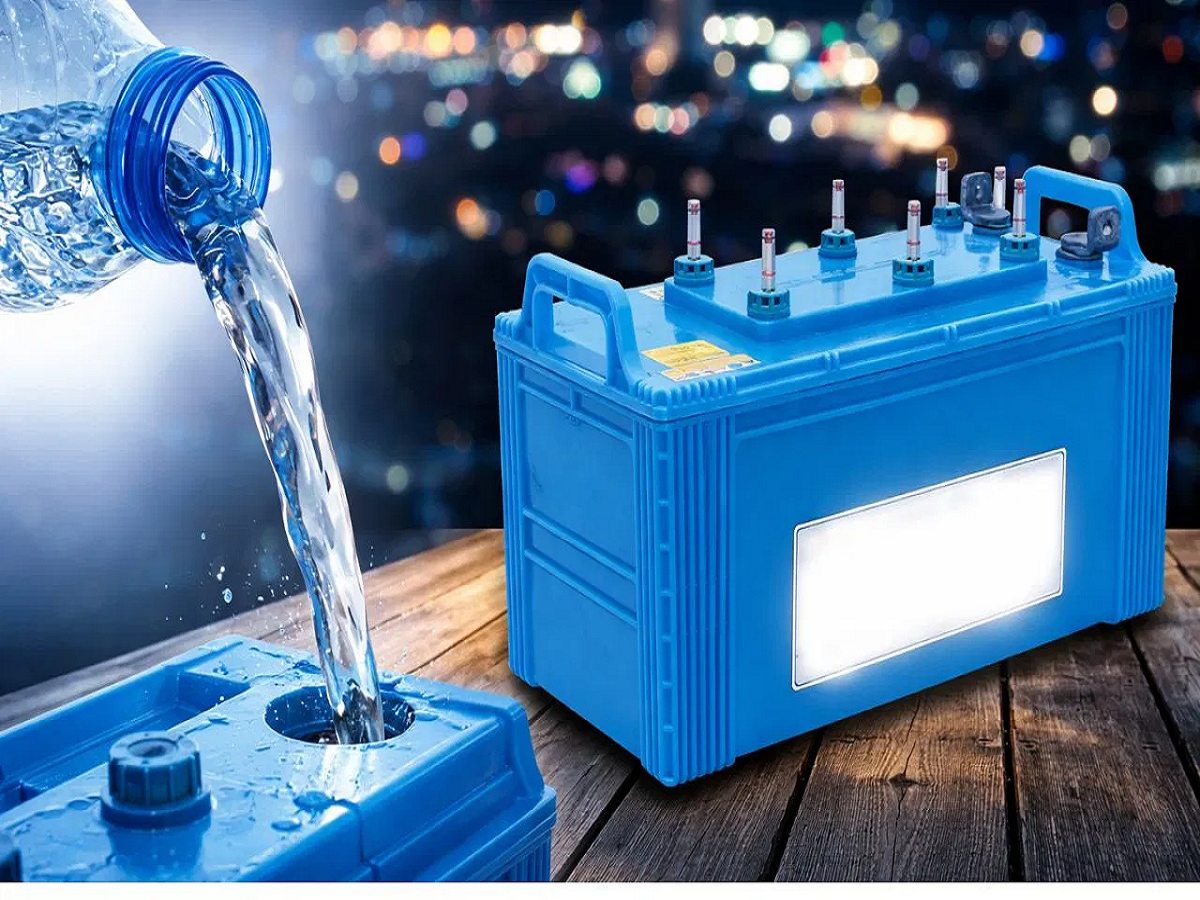
In today’s world, inverters have become essential for homes and offices, especially in areas with frequent power cuts. While people rely heavily on inverters during outages, many ignore the maintenance of the most important component—the battery. One of the most common mistakes is not knowing when and how to add water to the inverter battery. This small oversight can significantly reduce battery life and backup time.
If your inverter backup has reduced over time, improper battery water maintenance could be the reason.
Why Battery Water Level Matters
Inverter batteries work using an electrolyte solution. The water inside the battery does not need to be replaced completely, but it does need to be topped up when the level drops. When the water level becomes too low, the battery plates start drying out.
This directly affects performance. A dry battery:
-
Charges more slowly
-
Discharges faster
-
Provides reduced backup time
For example, a battery that earlier gave four hours of backup may drop to just two hours if the water level is ignored.
How Often Should You Check the Water Level?
There is no fixed schedule for adding water—it depends on how often the inverter is used.
-
Low usage or rare power cuts:
Check the battery water level once every 2 to 3 months. -
Heavy usage or frequent power cuts (especially in summer):
Check the water level every 1 to 1.5 months.
Regular checks can extend the battery’s lifespan by several years.
How to Know When Water Needs to Be Added
Most inverter batteries come with a water level indicator marked with “Minimum” and “Maximum” levels.
-
If the level drops below the Minimum mark, it’s time to add water.
-
Always ensure the water stays between the Minimum and Maximum levels.
Overfilling is harmful. Excess water can cause acid to spill out during charging, leading to damage to flooring, corrosion on terminals, and reduced battery efficiency.
Always Use Distilled Water
A common and serious mistake is using tap water. Tap water contains minerals and impurities that damage the battery plates and shorten battery life.
Always use distilled water, which is easily available in the market and specifically meant for batteries.
Safety Tips While Adding Water
-
Wear gloves and safety goggles
-
Handle battery caps carefully
-
Do not leave vent plugs open unnecessarily
-
Avoid touching acid or terminals with bare hands
If the battery starts overheating, swelling, or emitting a strange smell during charging, do not try to fix it yourself. Consult a technician immediately.
Final Tip
Proper battery water maintenance is simple but crucial. Just a few minutes of care every month can significantly improve backup time and prevent costly battery replacement.