ENTERTAINMENT
Where Have All the Rainy Romance Scenes Gone? Why Bollywood’s Monsoon Magic Is Missing from Movies Today
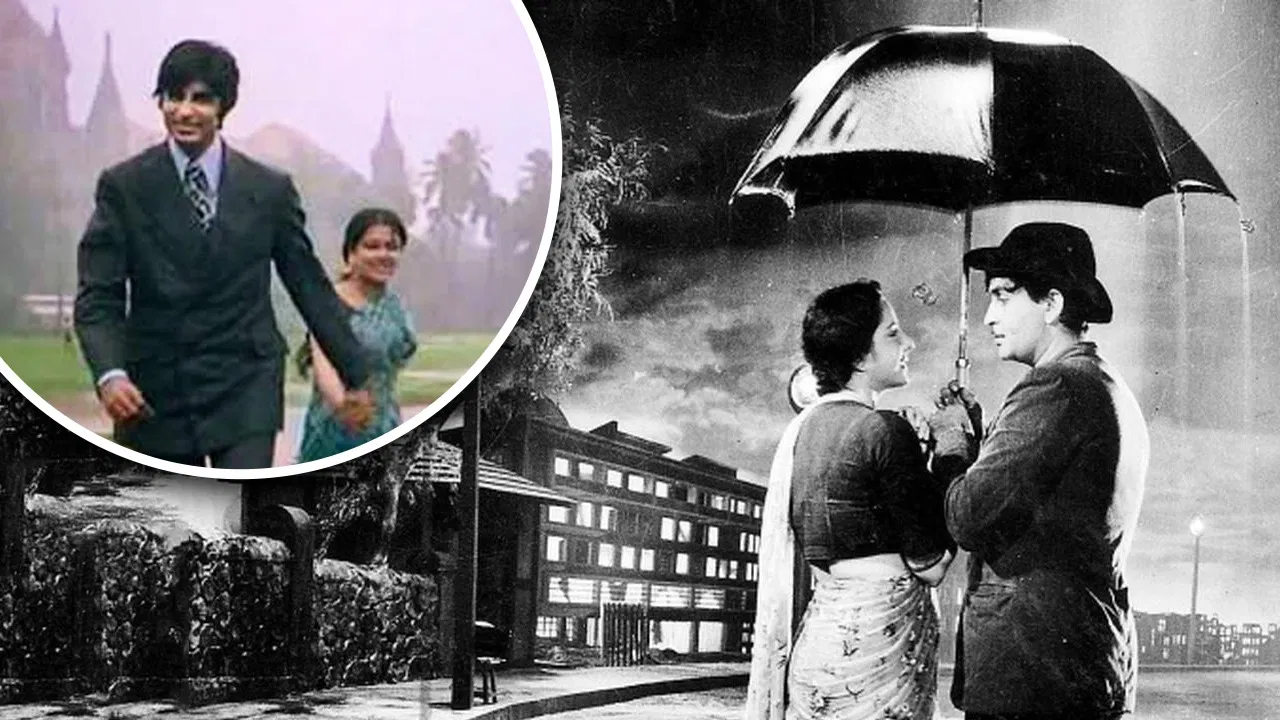
Mumbai still experiences heavy monsoon rains every year, yet today’s films rarely capture the iconic rain scenes that once defined Bollywood’s romance and celebration. Remember classics like Manzil’s “Rimjhim Gire Sawan” or Shree 420’s unforgettable “Pyar Hua Ikrar Hua” with Raj Kapoor and Nargis singing under an umbrella? These rainy sequences were once symbols of love, hope, and life’s vibrancy.
But now, rain on screen often signals something darker: a crime thriller’s gloomy backdrop, with heavy downpour, tense chases, and bloodied faces. The joyous, colorful monsoon celebrations of the past have faded, replaced by grim visuals of suspense and violence.
This shift reflects a broader change in Bollywood’s storytelling. Legendary filmmaker Raj Kapoor famously celebrated rain, rivers, and waterfalls in his films like Barsaat and Do Bigha Zameen, where rain meant prosperity and new beginnings. Even Lagaan and Guru featured hopeful rain songs, inspiring farmers and lovers alike.
However, modern films often depict drought, hardship, or urban struggles during rain. The heartfelt, cultural connection to monsoon has diminished. Songs drenched in love and life are now rare, replaced by artificial rain scenes that lack the soul and heritage of classics.
As writer Javed Akhtar observes, today’s gritty, realistic film titles like Jinda Jala Dunga leave little room for romantic rain songs. With urban flooding turning neighborhoods into disaster zones, rain no longer evokes joy or romance but hardship.
Environmental changes and rising awareness about climate crises have also influenced cinema. Films like Kadvi Hawa highlight the harsh realities of drought and environmental destruction, marking a shift from celebration to cautionary tales.
In this new cinematic landscape, the monsoon’s romantic magic has sadly become a thing of the past. The silver screen’s rainy season now tells different stories—ones shaped by today’s harsh realities and changing cultural sensibilities.