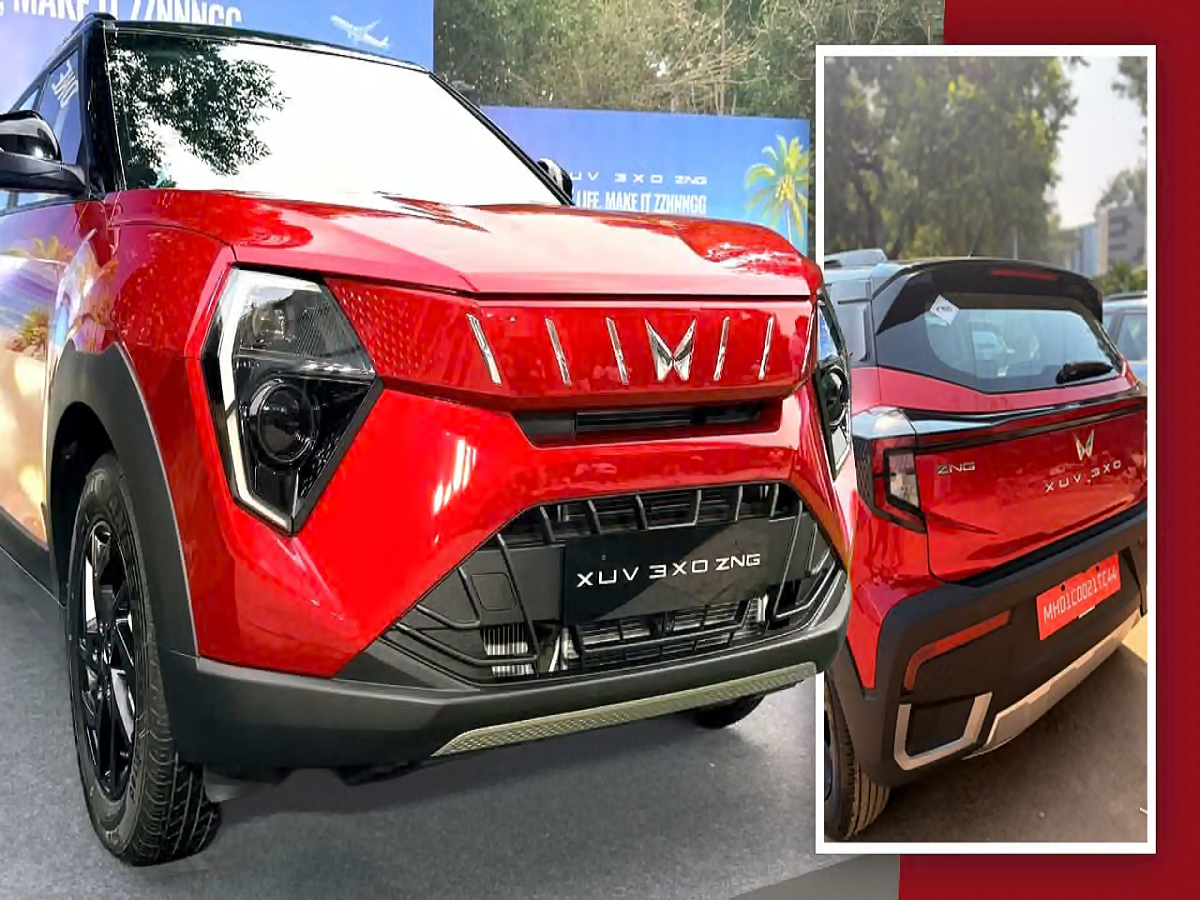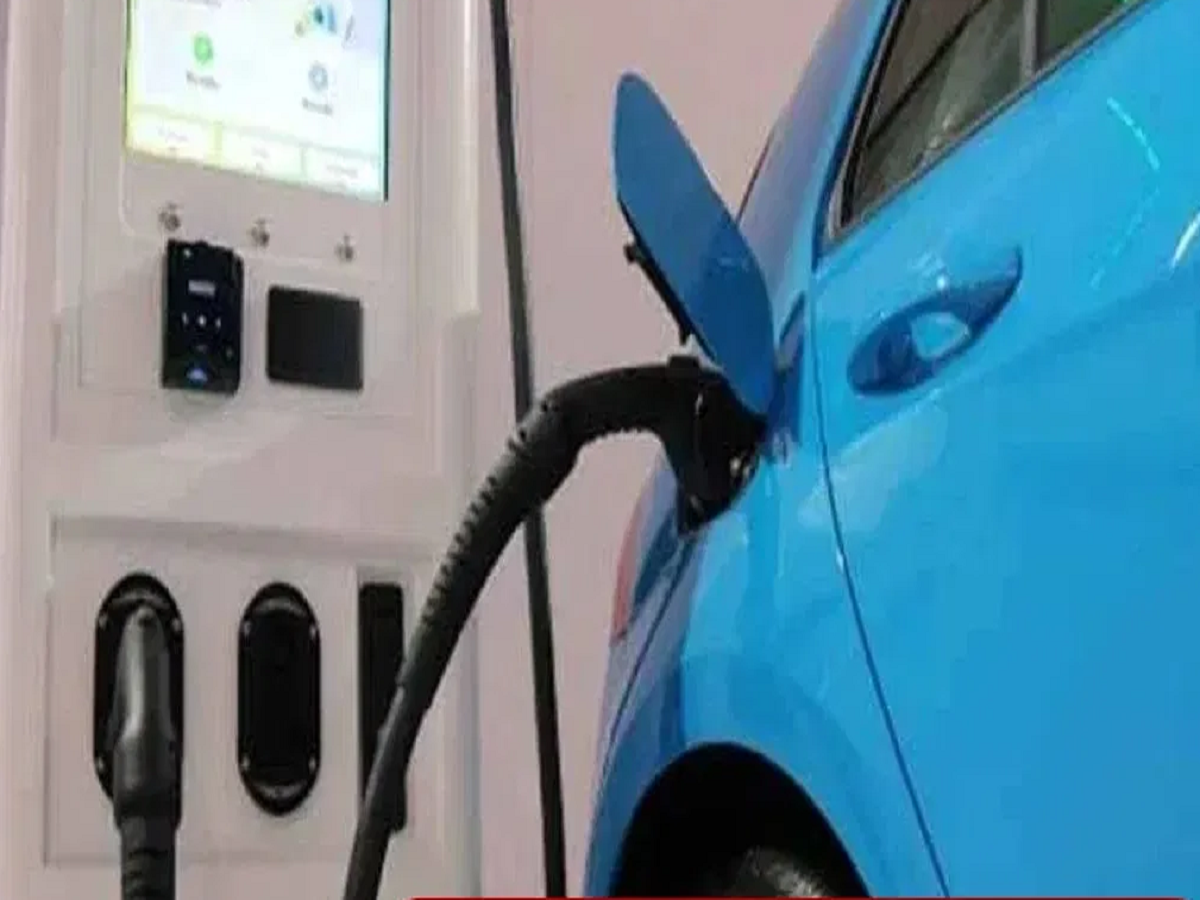
Electric vehicles have rapidly gained popularity, with almost every major automaker shifting towards battery-powered mobility. However, one noticeable difference between electric cars and traditional petrol or diesel vehicles is their weight. EVs are generally much heavier, and the primary reason behind this is the battery pack.
Unlike internal combustion engine (ICE) cars, electric vehicles rely on large lithium-ion battery packs to store energy. These batteries are quite heavy—typically, a 50 kWh battery alone can weigh between 300 to 500 kilograms. This significantly increases the overall weight of the vehicle. For instance, electric versions of popular models are often 30–40% heavier than their petrol or diesel counterparts due to this added battery mass.
Automakers are aware of this challenge and are actively working to reduce weight. Many companies are now using lightweight materials such as advanced composites made from plastic and glass fiber, which are both strong and lighter than traditional metals. In addition, components like audio systems and internal fittings are also being optimized to reduce weight and improve overall efficiency and driving range.
The extra weight of EVs does come with certain drawbacks. Heavier vehicles tend to have longer braking distances, can cause faster tyre wear, and may feel less agile while cornering. These factors can slightly impact driving dynamics compared to lighter petrol cars.
However, this added weight also brings several advantages. Since the battery is usually placed at the bottom of the vehicle, it lowers the center of gravity, making the car more stable and reducing the chances of rollover. The increased weight also improves traction, especially during acceleration, resulting in better grip on the road. Additionally, EVs use regenerative braking systems, which help recover energy and improve efficiency. In terms of safety, heavier vehicles often provide better protection to passengers during collisions.
In conclusion, while the heavier weight of electric vehicles presents some challenges, it also offers important benefits in terms of stability, safety, and performance. As technology continues to evolve, manufacturers are working towards balancing weight and efficiency to make EVs even more practical for everyday use.