LIFESTYLE
Why Are So Many Young Bodybuilders Dying? The Hidden Health Risks Behind a Muscular Physique
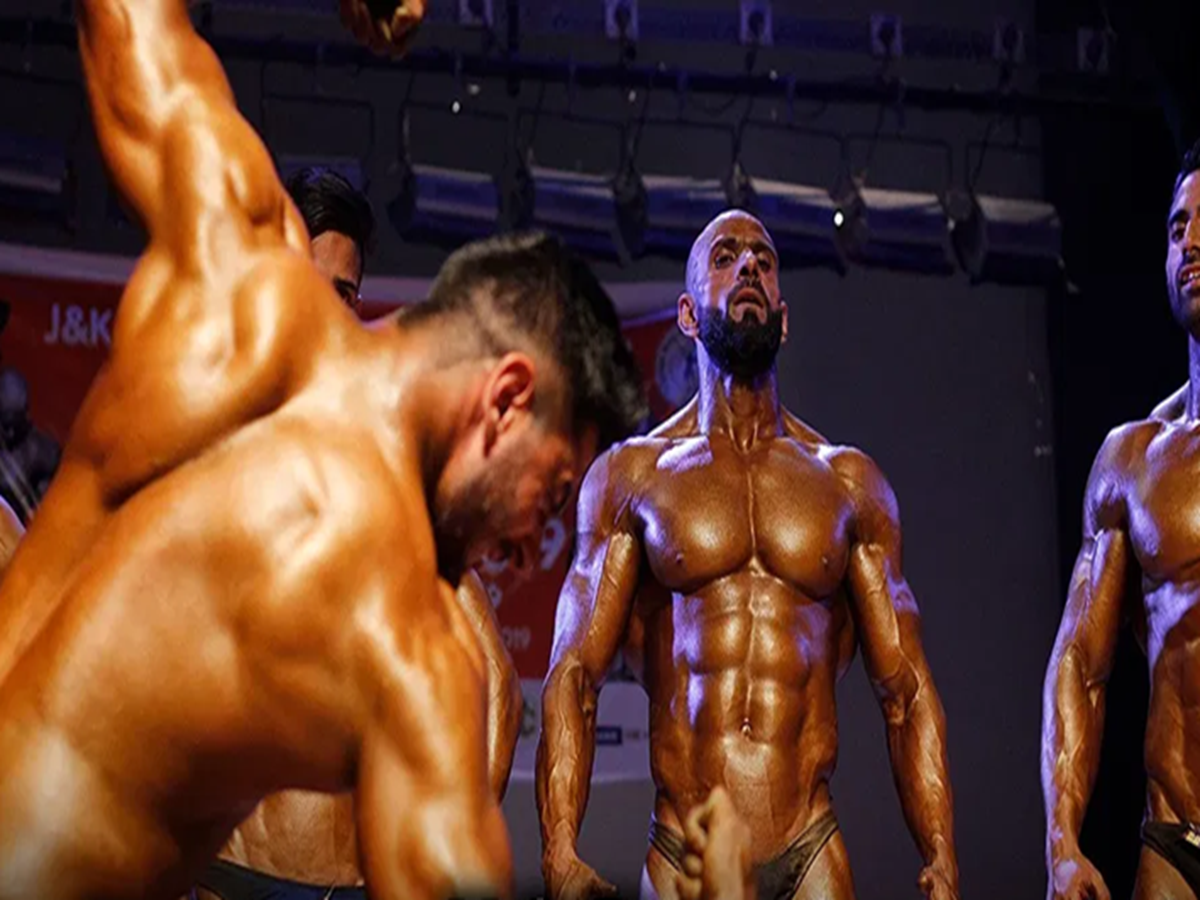
A well-built physique is often seen as a symbol of strength and excellent health. However, a growing number of sudden deaths among young bodybuilders has raised serious concerns about the hidden dangers associated with competitive bodybuilding. Several athletes who appeared to be in peak physical condition have lost their lives unexpectedly, leaving many wondering how someone who looks so fit can suffer a fatal health crisis.
The spotlight has once again fallen on the issue after a well-known Brazilian fitness influencer reportedly shared a gym photo showcasing his physique just hours before he died suddenly at home. Similar tragedies have been reported involving bodybuilders from countries including India, Brazil, Germany, Russia, and the United States, with many deaths linked to heart attacks or sudden cardiac arrest.
According to reports, 2025 has been one of the deadliest years for the bodybuilding community, with 56 competitive bodybuilders losing their lives. The average age of those who died was only 35 years, and more than half of the deaths were reportedly caused by heart-related conditions.
Among the high-profile cases was Indian bodybuilder and actor Varinder Singh Ghuman, who reportedly suffered a cardiac arrest during shoulder surgery. Other incidents included a young Brazilian athlete who died from cardiac arrest shortly after competing and a powerlifter in India who collapsed after experiencing severe chest pain following an intense lifting session. These cases have sparked renewed discussions about the long-term health effects of extreme bodybuilding practices.
Scientific research has also highlighted the risks. A large study involving nearly 20,300 athletes who participated in International Federation of Bodybuilding and Fitness (IFBB) competitions between 2005 and 2020 tracked their health for several years. Researchers documented 121 deaths during the study period, including 46 caused by sudden cardiac arrest. The average age at death was just under 35 years. The findings suggested that professional bodybuilders faced a significantly higher risk of sudden cardiac death compared to amateur competitors.
Health experts believe that multiple factors contribute to these tragedies rather than a single cause. One of the biggest concerns is the use of performance-enhancing drugs, including anabolic steroids, which are known to place enormous stress on the cardiovascular system. These substances can raise blood pressure, damage the heart muscle, accelerate the buildup of fatty deposits in arteries, and increase the risk of heart attacks, heart failure, and dangerous heart rhythm disorders.
Extreme bodybuilding practices can further increase the risk. Intense strength training, rapid weight loss before competitions through severe dehydration, highly restrictive diets, and the misuse of muscle-enhancing substances or injections may place additional strain on the heart and other organs. In some cases, contaminated injections or unregulated performance-enhancing products have also been identified as contributing factors.
Another study conducted by Danish researchers found that men who used anabolic steroids had a dramatically higher risk of developing serious heart conditions, including cardiomyopathy, heart attacks, and heart failure, compared with individuals who had never used these drugs. The findings reinforce concerns that long-term steroid use can cause lasting damage even in people who appear exceptionally fit.
Medical experts emphasize that bodybuilding itself is not dangerous when practiced responsibly. Regular strength training, balanced nutrition, adequate recovery, and professional guidance can improve overall health. The greatest risks arise when athletes push their bodies beyond safe limits, rely on banned or unregulated substances, or ignore warning signs in pursuit of a perfect physique.
The recent rise in deaths serves as a reminder that visible muscles do not always reflect internal health. True fitness depends not only on physical appearance but also on maintaining a healthy heart, making informed choices, and prioritizing long-term well-being over short-term performance.