LIFESTYLE
Why do women become self-conscious during menopause? Understand the connection between mood and hormones

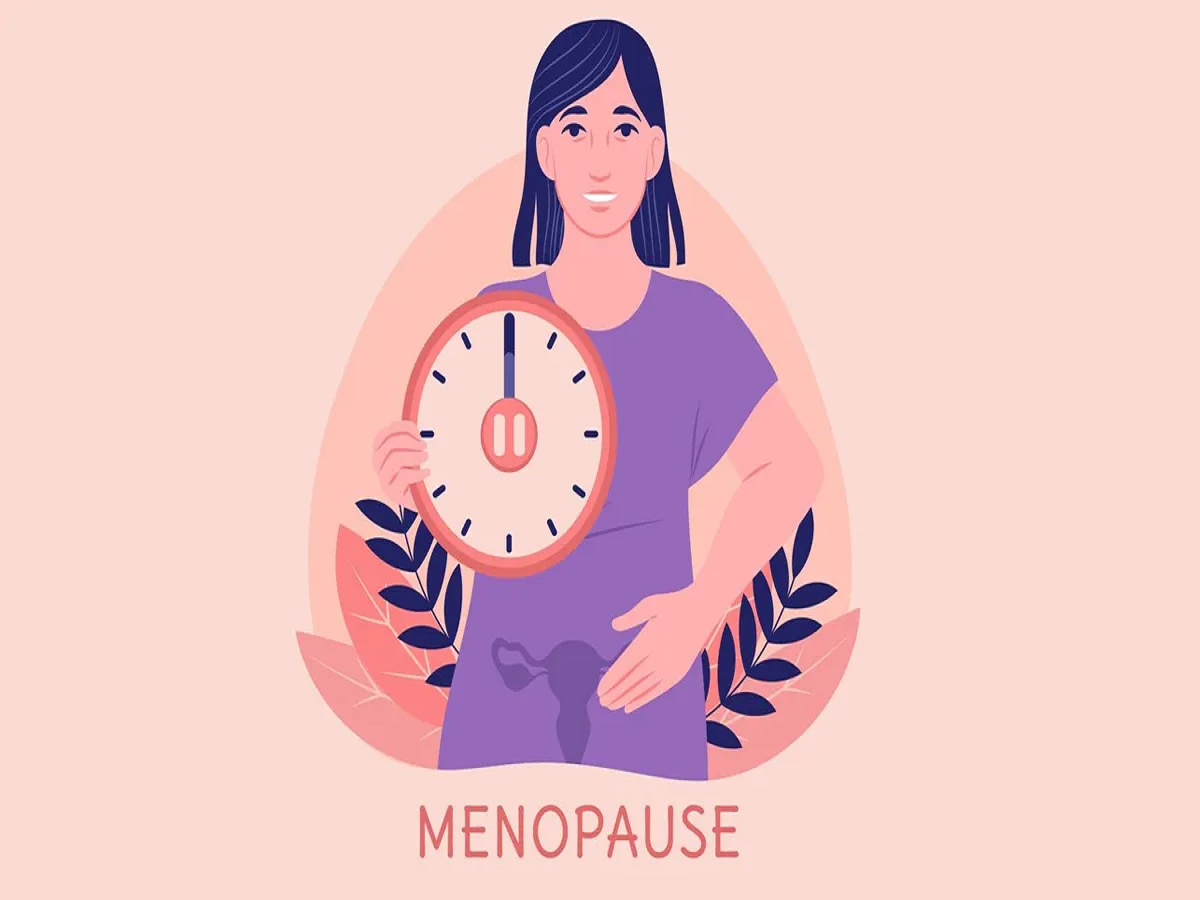
During menopause and perimenopause, women's bodies experience many hormonal changes, which can also affect their mood. Many women may become self-conscious during this time. Let's understand the reasons from an expert.
Menopause is a normal phase in women's lives. The hormonal changes that occur during this time can often affect mood and behavior. Some women may experience irritability, restlessness, sadness, or frequent feelings of distress for no apparent reason. Sometimes, they themselves are at a loss to understand why small things are bothering them so much. In such situations, women often become self-conscious. Let's find out why this happens, how hormones affect mood during this time, and how women should take special care of themselves during this time. Let's find out from an expert. This information is provided by Dr. Sonu Khokhar, MBBS, Health and Wellness Expert .
Why do hormonal changes affect mood?
Around menopause, levels of hormones like estrogen and progesterone fluctuate in the body. Estrogen isn't just related to fertility, it also affects several chemicals and processes in the brain that regulate mood. These changes in estrogen levels can cause some women to experience increased mood swings, irritability, restlessness, or emotional fluctuations. However, the effects aren't the same for every woman.
Why do we get angry over small things?
Sleep disturbances, hot flashes, night sweats, and fatigue can also be common during menopause. Many women may become angry over small things during this time, while others may cry for seemingly no apparent reason. Hormones aren't always the only issue; hormonal changes, poor sleep, fatigue, and everyday stress can all contribute to mood swings.
Why do women start getting worried about themselves during menopause?
It's important to understand this. It's often overlooked or overlooked, but menopause often makes women self-conscious.
- Hormonal imbalance isn't the only reason behind this. Sometimes, women don't get the right support during this time.
- Instead of understanding her mood swings, irritability or distress, her partner, children or family members start making her feel that perhaps she is not fulfilling her responsibilities properly or is overreacting to everything.
- Some women may also feel uncomfortable with changes in their bodies during this time. Weight changes, skin and hair changes, irregular periods, or changes in their intimate life can all be disturbing.
- In such a situation, a woman may feel like she's not the same person anymore. This feeling can often lead to restlessness or a bad mood.

Is it right to consider menopause as the only reason for this?
It's not correct to associate all sadness, irritability, or anxiety with menopause. If you experience persistent low mood, lack of interest in activities, excessive worry, sleep disturbances, or prolonged sadness, it's important to talk to a doctor or mental health professional.
Image Credit: Freepik, Shutterstock