The Delhi government has announced a major shift in its transportation policy that could reshape the city's roads. Starting April 1, 2028, new petrol-powered bikes and scooters will no longer be registered in the national capital. Buyers looking for a new two-wheeler after that date will have to opt for an electric model.
The move has sparked widespread discussion, with many wondering why the government chose to target two-wheelers before petrol cars.
Why Two-Wheelers Were Chosen First
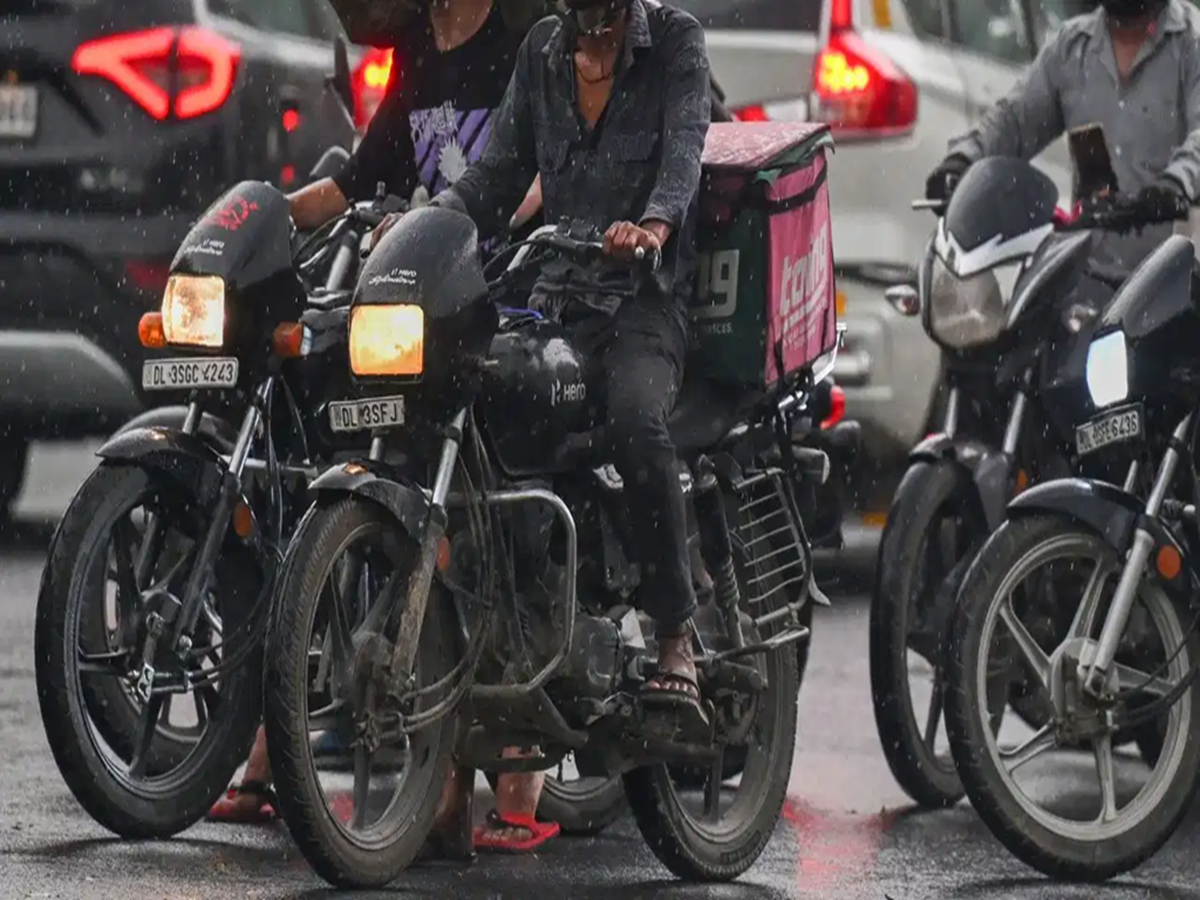
Bikes and scooters make up the largest share of vehicles on Delhi's roads, accounting for nearly 70–75% of all registered vehicles. While an individual two-wheeler emits less pollution than a petrol car, the sheer number of them on the streets contributes significantly to overall air pollution.
Millions of petrol-powered two-wheelers release pollutants such as PM2.5, carbon monoxide, and other harmful emissions, particularly during heavy traffic. The government believes that electrifying this largest vehicle segment could deliver a substantial reduction in pollution levels.
Electric Two-Wheelers Have Become More Practical
The government also believes the two-wheeler segment is now ready for a full transition to electric mobility.
With petrol prices hovering around ₹100 per litre, running a petrol scooter typically costs ₹2 to ₹2.50 per kilometre. In comparison, electric scooters can cost as little as 15–25 paise per kilometre to operate, making them a much more economical option for daily commuters.
Additionally, several manufacturers already offer reliable, high-performance electric scooters, making the switch more practical than ever before.
Delhi's Share in India's Two-Wheeler Market
Despite the policy's significance, experts believe it is unlikely to have a major impact on the country's overall two-wheeler industry.
During FY2025–26, around 5.68 lakh two-wheelers were registered in Delhi, while total two-wheeler sales across India reached nearly 2.2 crore units. This means Delhi accounts for only about 2.5% of the national market.
As a result, the ban is expected to have only a limited effect on nationwide sales figures.
EV Adoption Still Has Room to Grow
Although Delhi is one of India's leading electric vehicle markets, electric two-wheelers still make up a relatively small portion of registrations.
In FY2025–26, around 41,000 electric bikes and scooters were registered in the city, accounting for roughly 7.25% of total two-wheeler registrations. While this is slightly ahead of the national average, the complete phase-out of petrol two-wheelers by 2028 will require manufacturers to increase EV supply many times over current levels.
Automakers Are Already Expanding Production
Leading two-wheeler manufacturers have already begun ramping up their electric vehicle production to meet future demand.
Companies are expanding manufacturing capacity, investing in new facilities, and increasing production of electric scooters as the EV market continues to grow. Across India, nearly 14 lakh electric two-wheelers were sold during FY2025–26, reflecting a 22% year-on-year increase.
With the 2028 deadline approaching, Delhi's decision is expected to accelerate the transition toward cleaner mobility while encouraging manufacturers to strengthen their electric vehicle offerings.