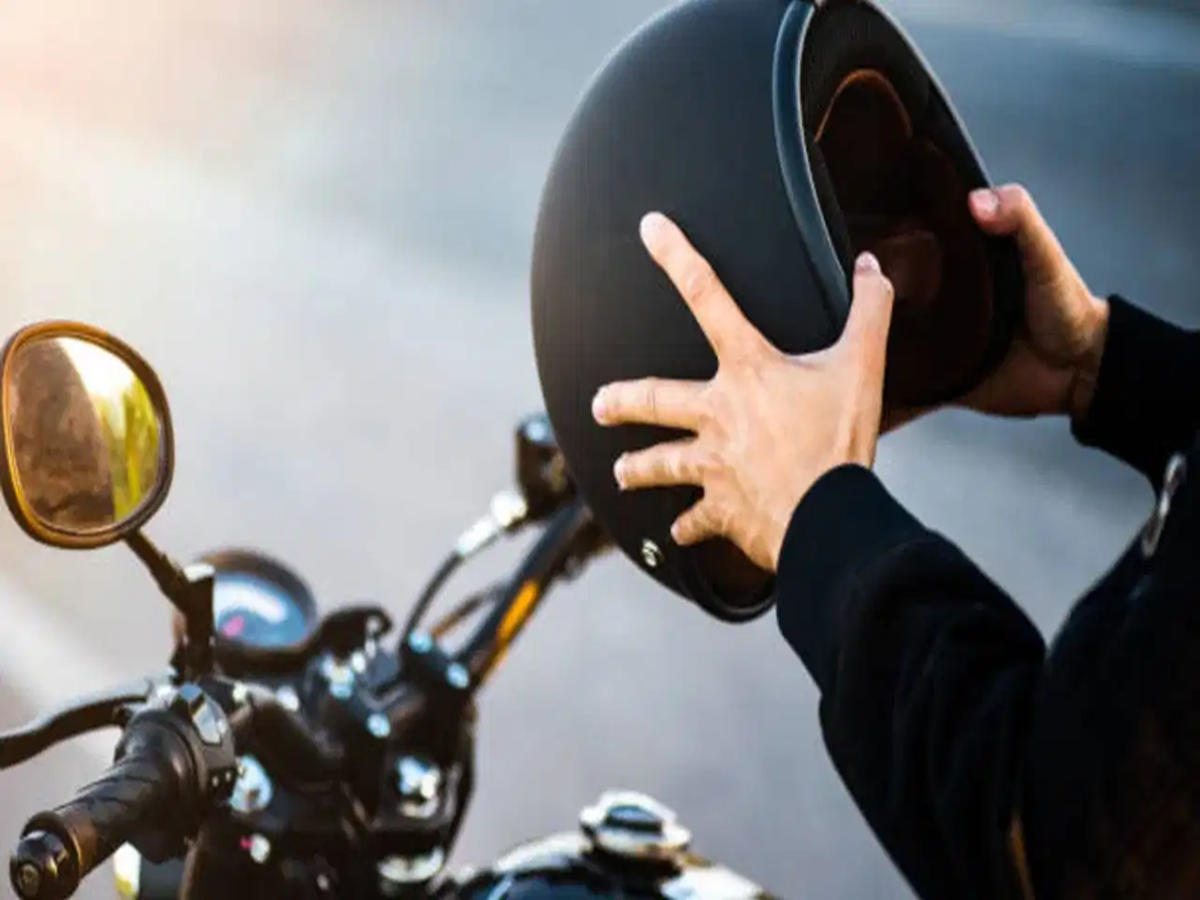
Before you hop on your two-wheeler, putting on a helmet is one of the smartest safety habits you can follow. While most riders wear helmets to comply with traffic laws, their real purpose is to protect your life. However, many people assume a helmet remains safe as long as it doesn't show visible damage. The reality is quite different.
Why Helmets Don't Last Forever
A helmet's ability to protect you isn't determined by its hard outer shell alone. Inside every helmet is a special impact-absorbing foam known as the EPS liner, which plays a crucial role in reducing the force of a collision on your head.
Over time, everyday exposure to sweat, dust, heat, moisture, and sunlight gradually weakens this protective layer. As the foam loses its elasticity, it becomes less effective at absorbing impact, reducing the helmet's ability to protect you during an accident.
Why Experts Recommend Replacing Helmets Every Five Years
Safety professionals and helmet manufacturers generally advise replacing a helmet after around five years of regular use. Even if the exterior appears flawless, the internal materials may have deteriorated enough to compromise safety.
A helmet that looks brand new on the outside may no longer provide the level of protection it was originally designed for.
Even Unused Helmets Can Become Unsafe
Keeping a helmet stored in a cupboard or box doesn't stop it from aging. The protective foam inside naturally degrades over time, even if the helmet is rarely or never used. This means an old, unused helmet may not offer reliable protection when you need it most.
Signs It's Time for a New Helmet
Watch out for these warning signs that indicate your helmet should be replaced:
- It feels loose or shifts easily while wearing it.
- The straps no longer fit securely or stay properly fastened.
- It has been involved in a significant crash, even if there are no visible cracks or damage.
- It is around five years old or older.
Any of these signs suggest that the helmet may no longer provide adequate protection.
A New Helmet Offers More Than Just Safety
Modern helmets are lighter, more comfortable, and built with improved safety technologies compared to older models. Many also feature better ventilation, enhanced comfort for long rides, and stylish designs while meeting updated safety standards.