Imagine driving your car and controlling everything simply by speaking. Want to change the AC temperature, play your favourite song or find the fastest route to a destination? You may soon be able to do all this without touching the dashboard screen. Car manufacturers are increasingly adopting Conversational AI technology, which allows vehicles to understand everyday language, respond to questions and perform tasks based on voice commands.
Companies such as Mahindra, BMW, Tesla and Volvo are already working on this technology, which could make driving more convenient and reduce the need to interact with screens while on the road.
Until now, car technology has evolved from physical dashboard buttons to touchscreen displays. Drivers can now control music, air conditioning and navigation through these screens. The next step is to make vehicles respond to natural conversations.
For example, a driver could simply say, "Find the fastest route to the Taj Mahal in Agra" or "Locate the nearest EV charging station." The system could also help find restaurants along the way, adjust the cabin temperature and explain warning messages appearing on the dashboard. Instead of memorising specific commands, drivers would be able to communicate with their cars in ordinary language.
Mahindra brings Conversational AI technology to India
Mahindra has taken an important step towards introducing this technology in the Indian automobile market. The company has partnered with Google Cloud to bring Conversational AI capabilities to its BE 6 SPORTEQ electric SUV series.
Mahindra claims to be the first car manufacturer in India to offer this technology. The system runs on the company's MAIA (Mahindra Artificial Intelligence Architecture) platform and uses Google's Gemini Enterprise Language Model.
One of its key features is the ability to understand the context behind a driver's statement rather than simply responding to fixed commands. For instance, if the driver says that the cabin feels a little cold, the system can understand the request and adjust the AC temperature accordingly. This means drivers may not need to navigate through multiple menus or press buttons for routine adjustments.
BMW, Tesla and Volvo are also developing AI-powered cars
Mahindra is not the only manufacturer exploring this technology. Several global automobile companies are integrating advanced AI assistants into their vehicles.
BMW is working to integrate its Intelligent Personal Assistant with Amazon's Alexa+ AI technology. The BMW iX3 is expected to be the first model to receive this feature. Initially, the system will support English and German.
Tesla has also introduced the Grok AI assistant in some supported vehicles in Japan. The feature was made available through an over-the-air software update in July.
Volvo is preparing to integrate Google's Gemini into vehicles that already support Google services. Its upcoming EX60 is also expected to feature this technology. Drivers could use it to compose messages, translate them and ask questions about information in the car's owner's manual.
Honda and Acura are also offering Gemini in vehicles equipped with Google's software. Meanwhile, Mercedes-Benz is collaborating with Liquid AI to develop a conversational AI system that could control functions such as air conditioning, heating and infotainment.
Will your car listen to every conversation?
While AI-powered voice assistants could make driving easier, they also raise questions about privacy. Many passengers may not want their car's AI system responding to every conversation inside the cabin.
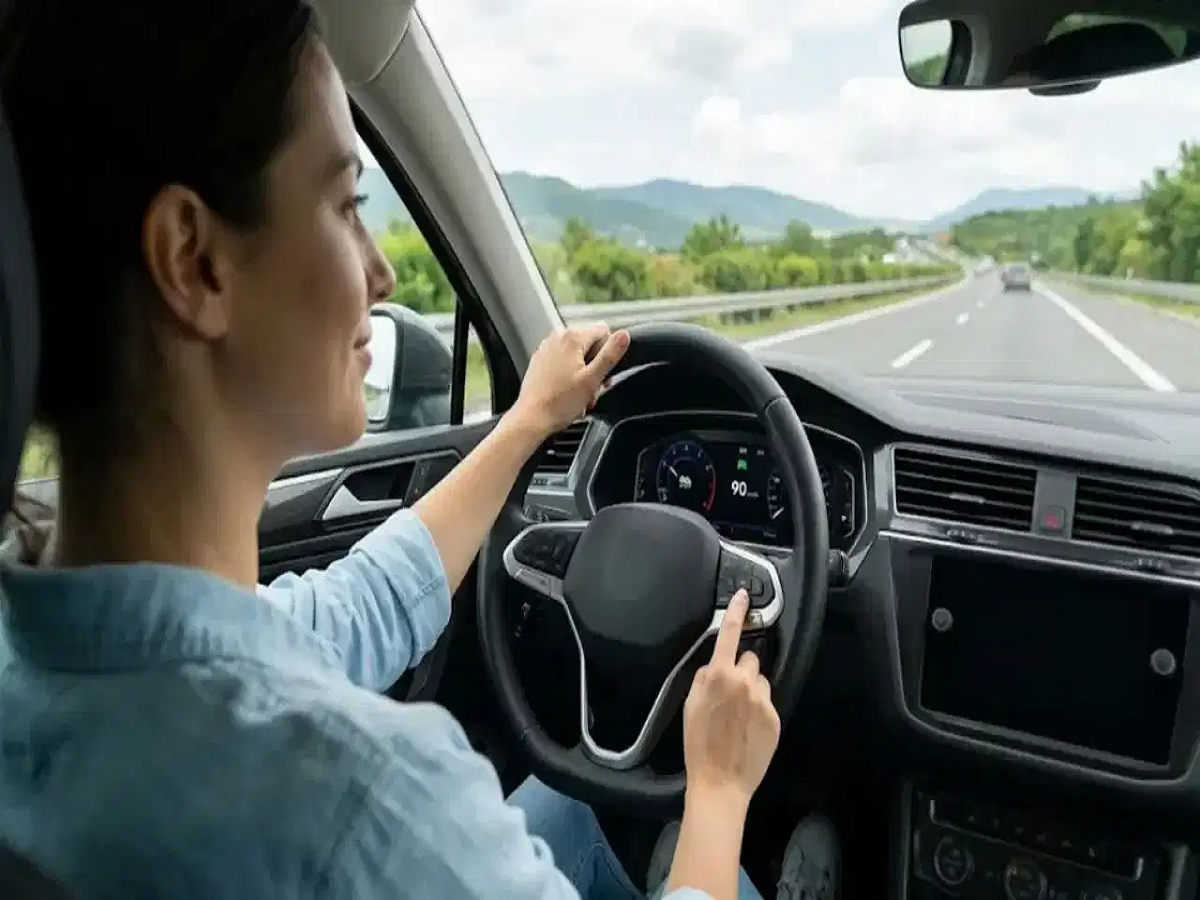
To address this concern, voice assistants can be designed to activate only after hearing a specific wake word or when the driver presses a dedicated button on the steering wheel. This would allow users to decide when they want the system to respond.
As more manufacturers invest in Conversational AI, the way people interact with their cars could change significantly. Instead of searching through screens and menus, drivers may soon be able to manage several vehicle functions through simple conversations.