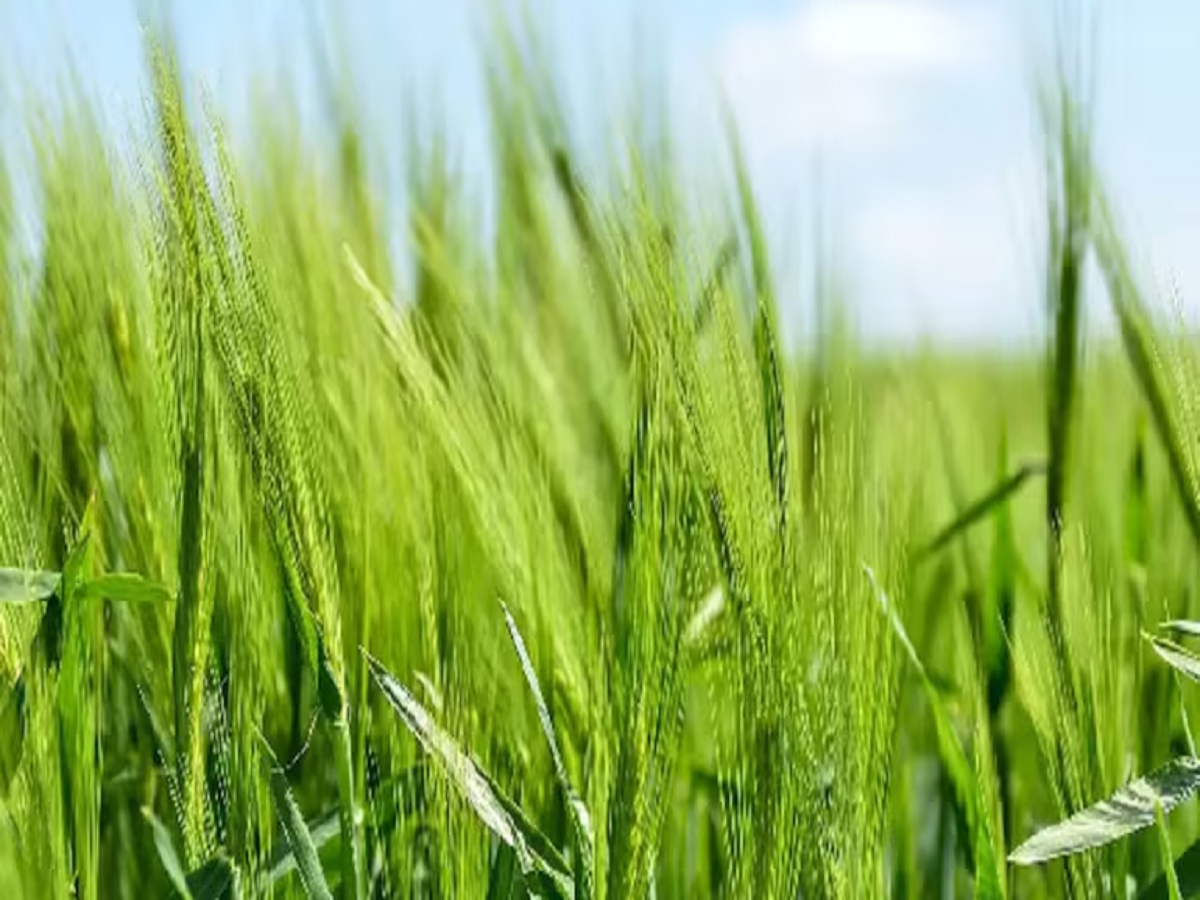
Human civilization did not begin with cities, machines, or technology—it began with farming. Thousands of years ago, one simple yet revolutionary decision transformed wandering hunter-gatherers into settled communities. But have you ever wondered which grain humans cultivated first? The answer may surprise you and offers a fascinating glimpse into the birth of civilization.
Where Did the World’s First Farming Begin?
Archaeological evidence shows that the earliest grain cultivation began nearly 12,000 years ago in a region known as the Fertile Crescent. This historically rich area stretches across parts of present-day Iraq, Syria, Turkey, and Iran. Thanks to its fertile soil, rivers, and favorable climate, it became the cradle of early agriculture.
Before farming, humans survived by hunting animals and gathering wild plants. Life was uncertain and constantly on the move. The decision to grow crops instead of depending solely on nature marked a turning point in human history.
So, What Was the First Grain Grown by Humans?
Contrary to popular belief, rice or modern wheat were not the earliest cultivated crops. The first grains grown by humans were:
-
Einkorn wheat
-
Emmer wheat
-
Barley
These ancient grains were hardy, adaptable, and naturally abundant in the Fertile Crescent. Early humans began selectively harvesting and later cultivating these plants, gradually improving their yield and quality over generations.
Among them, einkorn wheat is widely considered the earliest domesticated grain. Its simple genetic structure made it easier to cultivate, while emmer wheat later became a staple food across ancient civilizations, including Egypt and Mesopotamia.
Why These Grains Changed Human Life Forever
The cultivation of grains did much more than provide food—it reshaped society itself.
1. Permanent Settlements
Once people could grow and store food, they no longer needed to roam constantly. Villages and towns began to form near farmlands, laying the groundwork for cities.
2. Population Growth
Reliable food supplies supported larger populations. Families expanded, communities grew, and social structures became more complex.
3. Birth of Civilization
Agriculture freed some people from food production, allowing them to specialize as artisans, traders, builders, and leaders. This specialization gave rise to early civilizations, trade systems, and governance.
4. Food Storage and Planning
Grains could be dried and stored for long periods, helping communities survive harsh seasons and droughts—something impossible with hunting alone.
Ancient Grains vs Modern Diets
Interestingly, the grains first cultivated by humans were far less processed than today’s varieties. Einkorn and emmer wheat contained lower gluten levels and higher nutrient density. Many nutrition experts believe these ancient grains were easier to digest and healthier than modern refined grains.
Today, these early grains are making a quiet comeback among health-conscious consumers seeking traditional and natural food options.
A Small Step That Led to a Giant Leap
The decision to plant seeds instead of merely collecting them may seem small, but it was one of the most powerful innovations in human history. From those first wheat and barley fields emerged cities, empires, science, and modern society itself.
Every loaf of bread, bowl of cereal, or plate of grain-based food we eat today traces its origins back to those early farmers who first tilled the soil thousands of years ago.
The first grain humans cultivated was not just food—it was the foundation of civilization. Einkorn wheat, emmer wheat, and barley quietly shaped the destiny of humankind. What began as an experiment in survival became the cornerstone of progress, proving that sometimes, the greatest revolutions begin with a single seed. 🌾