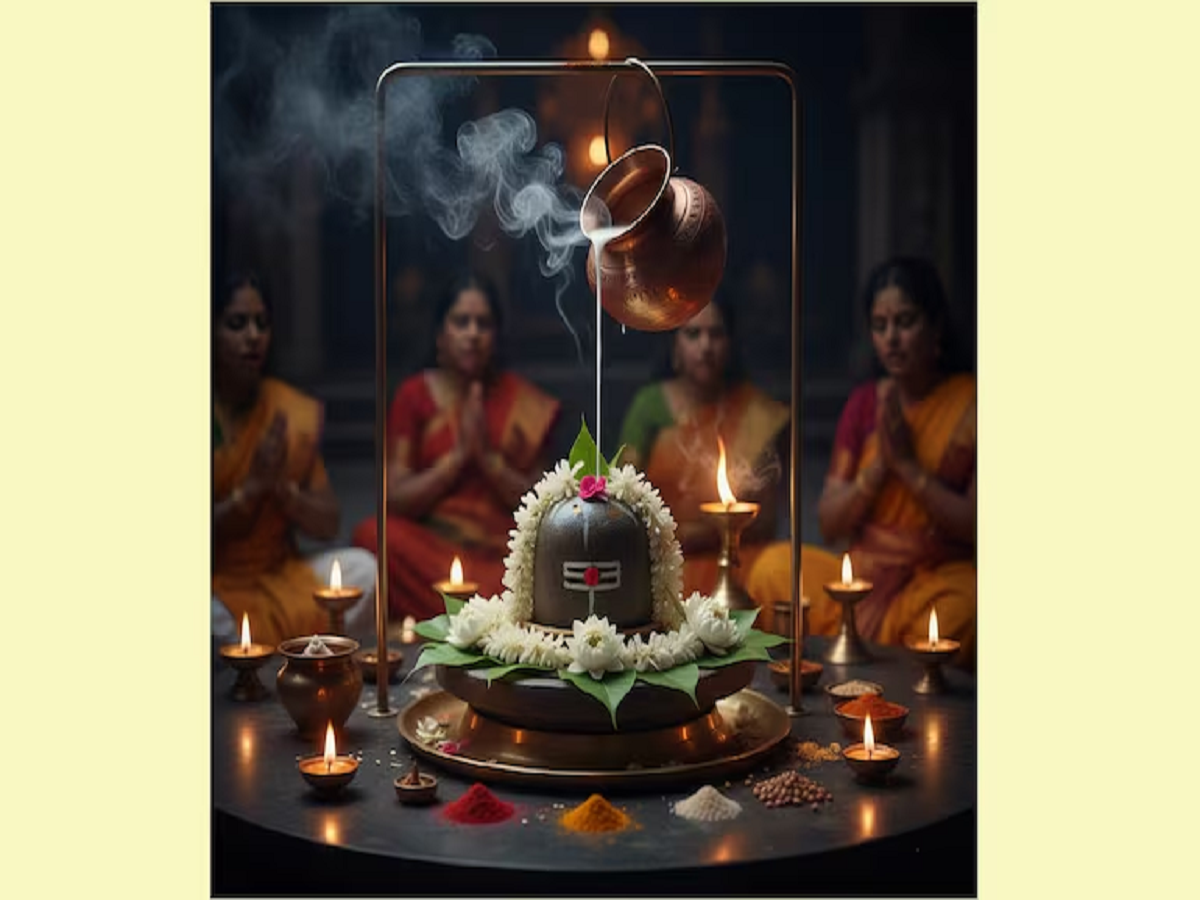
Mahashivratri is one of the most revered festivals in Hindu tradition, observed every year on the Chaturdashi Tithi of the Krishna Paksha in the month of Phalgun. Dedicated to Lord Shiva, this auspicious occasion is not just a ritualistic celebration but a deeply spiritual night filled with symbolism, energy, and inner awakening. In 2026, Mahashivratri will be observed on Sunday, 15 February, and devotees across the country will mark the night with fasting, prayers, and meditation.
Unlike most Hindu festivals that are celebrated during the day, Mahashivratri holds exceptional importance at night. Devotees remain awake through the four phases of the night, performing special worship and offering prayers to seek divine blessings. But what truly makes this night so special? Let us explore the mystery, meaning, and spiritual depth behind Mahashivratri.
The Night When Shiva Appeared as the Infinite Lingam
According to ancient scriptures, Mahashivratri marks the night when Lord Shiva manifested in the form of an endless pillar of light, known as the Jyotirlinga. This divine form had no beginning and no end, symbolizing infinity and supreme consciousness. It is believed that the radiance of this form was brighter than millions of suns, representing the boundless energy of the universe.
This is why the night of Mahashivratri is considered exceptionally powerful. Worshipping Shiva during this time is said to help devotees connect with higher consciousness and move beyond material limitations.
The Sacred Union of Shiva and Shakti
Another widely accepted belief associates Mahashivratri with the divine union of Shiva and Shakti. This night symbolizes the merging of masculine and feminine energies—consciousness and nature—necessary for balance in the universe. According to spiritual texts, it was on this night that Shiva embraced household life, restoring cosmic harmony.
This union is not merely mythological but deeply philosophical. It represents balance, creation, and the synchronization of opposing forces that sustain life itself.
A Night of Spiritual Energy and Inner Awakening
From a spiritual perspective, Mahashivratri is often described as a festival of energy. It is believed that on this night, the natural energy flow in the Northern Hemisphere moves upward. This makes it an ideal time for meditation, self-reflection, and spiritual practices.
Yogic traditions emphasize staying awake during Mahashivratri to remain alert and receptive to this heightened energy. Even those unable to stay awake all night are advised to meditate silently for at least 15–20 minutes during Nishita Kaal (midnight) to experience its spiritual impact.
Why Fasting and Night Vigil Matter
Fasting on Mahashivratri is not just a religious rule but a symbolic act of discipline and purification. By giving rest to the digestive system, the body becomes more receptive to spiritual practices. Night-long worship, known as Ratri Jagran, is meant to awaken inner awareness rather than merely staying awake physically.
The four phases of night worship represent different stages of spiritual growth, reminding devotees to overcome ignorance, ego, and negativity within themselves.
The Deeper Meaning of Destruction
Lord Shiva is often described as the deity of destruction, but in Hindu philosophy, destruction is not negative. It is a necessary step toward renewal and transformation. Mahashivratri teaches that letting go of inner darkness—such as fear, laziness, anger, and ignorance—is essential for personal growth.
This sacred night encourages devotees to introspect, shed harmful habits, and move toward clarity and truth.
A Night That Transforms the Mind and Soul
Mahashivratri is more than a festival—it is an opportunity. An opportunity to pause, reflect, and reconnect with one’s inner self. Whether through prayer, meditation, or silent contemplation, even a small spiritual effort made on this night is believed to yield profound results.
In essence, Mahashivratri reminds us that true awakening begins within. By embracing awareness, balance, and self-discipline, this sacred night becomes a gateway to inner peace and spiritual evolution.
Mahashivratri 2026 is not just about rituals—it is about transformation.