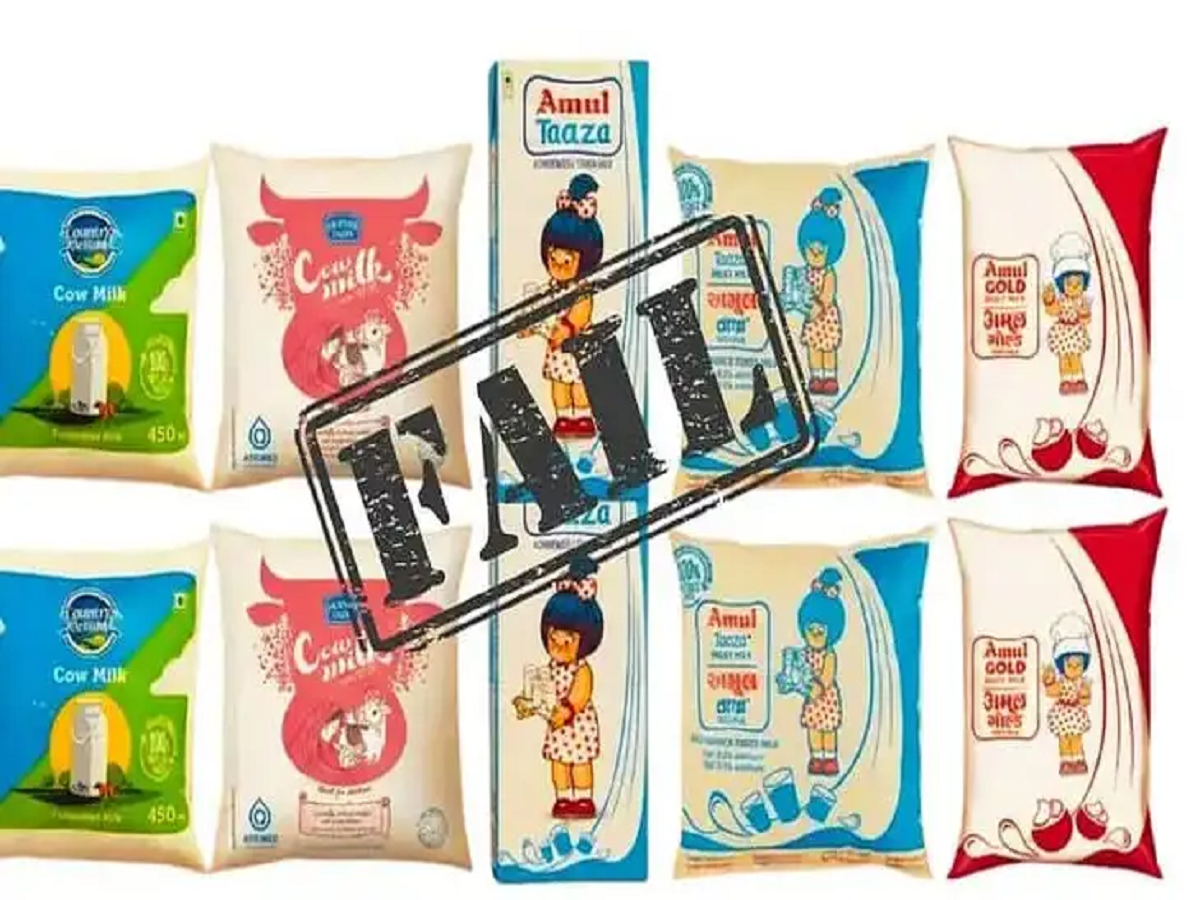
Shocking news has emerged regarding the milk of India's most trusted dairy brands, Amul, Mother Dairy, and Country Delight. Recent testing by Trustified, an independent lab, found that some milk samples from these brands did not meet prescribed quality standards, raising questions about the health and safety of consumers.
In modern life, milk is an integral part of our daily diet – whether it's morning tea, coffee, porridge, or baby milk. Therefore, if that milk is unsafe, it directly impacts our health. Trustified analyzed the milk for Total Plate Count (TPC) and Coliform bacteria count, which indicates whether disease-causing bacteria are present in the milk.
The test results were surprising. Mother Dairy's cow milk was found to have a Total Plate Count of approximately 240,000 CFU/ml, while the Food Safety and Standards Authority of India (FSSAI ) limits this to 30,000 CFU/ml—eight times higher. Country Delight milk, meanwhile, recorded a TPC of 60,000 CFU/ml, twice the safe limit.
As for Amul, the Taaza and Gold milk brands also contained coliform bacteria exceeding the FSSAI's recommended levels. Taaza had 980 CFU/ml, while Gold recorded 25 CFU/ml. Coliform bacteria aren't always dangerous by nature, but high levels indicate the presence of other harmful bacteria in the milk.
Experts say that if the level of bacteria in milk is high, it can pose a serious health risk to consumers, especially those with weakened immune systems, such as children, the elderly and those with pre-existing conditions.
These issues aren't limited to milk. In January 2026, Trusted tested Amul yogurt and found coliform bacteria levels 2,100 times higher and yeast/mold levels 60 times higher, indicating a clear lack of food safety standards.
Following these results, Amul stated that its products meet FSSAI standards and dismissed the test reports. There has been no official response from FSSAI on this matter, leading to concern and uncertainty among consumers.
Milk, yogurt, and other dairy products are consumed daily in millions of households in India and are not seen as a "premium" category, but rather as common and accessible goods. Given that brands like Amul hold a strong connection to India's independence and hold an emotional place in our hearts, failing quality checks directly raises significant questions about accountability, transparency, and food safety.
Consumers are advised to carefully check packaging, labeling, and expiration dates before purchasing milk and dairy products. Furthermore, boiled milk may be a safer option for children and the elderly. The need for clear accountability and corrective action from food safety agencies and manufacturers in this matter is becoming increasingly pressing.
PC:SamacharNama