INTERNATIONAL
Breakthrough in the Gulf: US and Iran Closing In on Historic 14-Point MoU to Formally End War
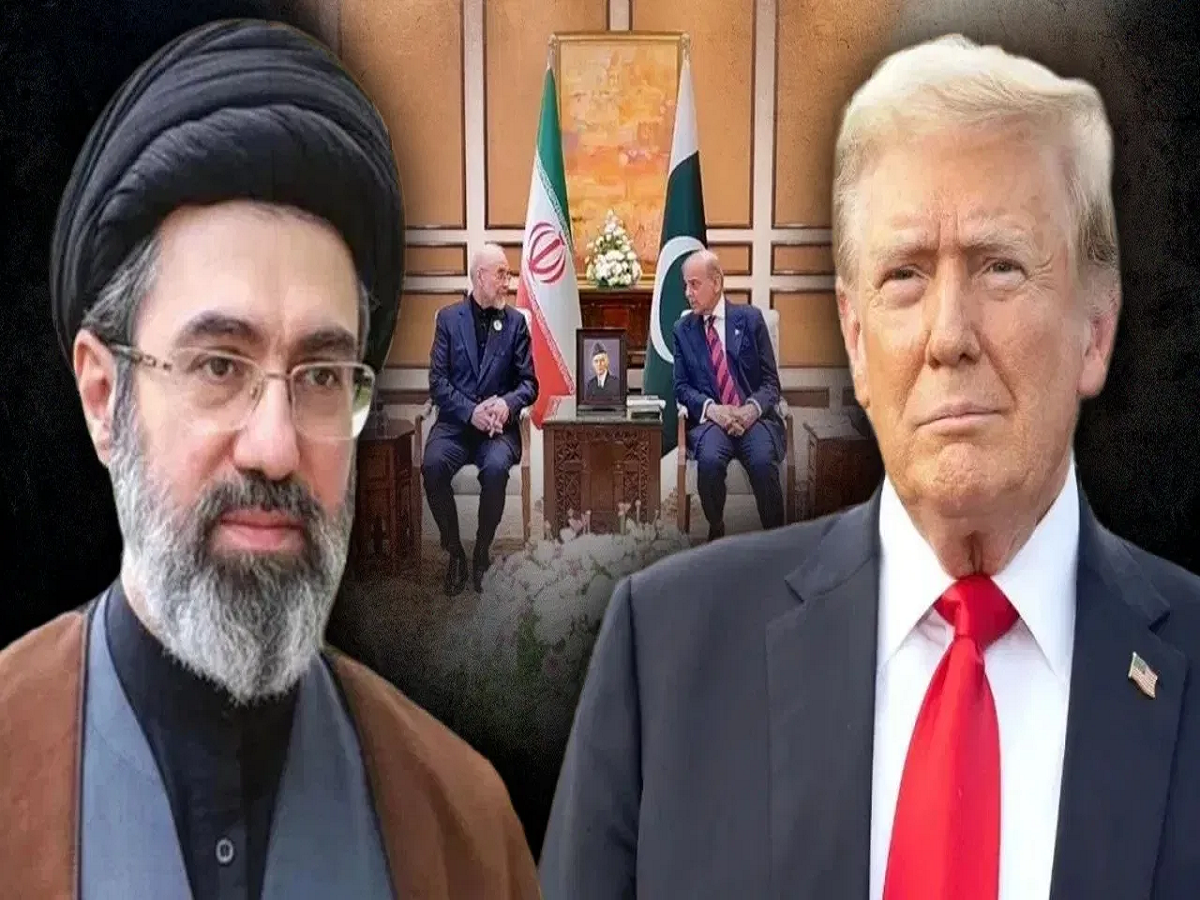
In a major geopolitical breakthrough, the United States and Iran are reportedly on the verge of signing a historic, one-page Memorandum of Understanding (MoU) to formally declare an end to the active military conflict in the region.
According to reports from White House officials, the breakthrough comes after a significant pivot in Washington, with US Secretary of State Marco Rubio officially announcing the conclusion of "Operation Epic Fury"—the high-intensity joint US-Israeli military campaign launched on February 28. With the offensive phase officially over, the focus has completely shifted to a fast-tracked diplomatic resolution.
Negotiations are being led by top-tier diplomats, including US Special Envoys Steve Witkoff and Jared Kushner, working alongside Iranian Foreign Minister Abbas Araghchi. While the comprehensive roadmap consists of 14 points, both nations have reportedly locked in a preliminary agreement on three monumental core issues, triggering a countdown for a formal signing within the next 48 hours.
The 3 Pillars of the Breakthrough Agreement
The one-page framework effectively bridges the immediate operational gridlock between the two superpowers by addressing the three largest flashpoints of the war:
1. Hard Moratorium on Nuclear Enrichment
Under the negotiated terms, Iran will agree to an immediate moratorium on advanced uranium enrichment. Furthermore, the Islamic Republic will commit to a legally binding pledge never to seek or develop nuclear weapons, backed by enhanced "snap" inspections from United Nations watchdogs. To secure the deal, negotiators are floating a proposal to completely dismantle and transfer Iran’s existing highly enriched uranium stockpile directly to the United States.
2. Phased Lifting of Economic Sanctions
In exchange for halting its nuclear ambitions, the United States has agreed to systematically roll back the crushing economic sanctions levied against Tehran. This includes unfreezing billions of dollars in frozen Iranian assets overseas, with the initial tranches of released capital explicitly earmarked for immediate humanitarian relief and structural economic rescue operations.
3. Reopening the Strait of Hormuz
The most critical immediate win for global markets is the resolution surrounding the Strait of Hormuz. Following the military escalation, a dense blockade effectively choked off the vital waterway, stranding thousands of commercial vessels and driving global oil prices past $125 per barrel. Under the new pact, both sides will gradually ease naval operations, allowing free maritime transit to resume through the strait and opening up Iranian ports back to global trade.
The 30-Day Countdown: 11 Issues Remain Unresolved
While the formal declaration will bring an immediate end to active combat, diplomats emphasize that the one-page MoU is a gateway, not a final contract.
Signing the document will trigger a strict 30-day negotiation window to resolve the remaining 11 complex sub-clauses of the 14-point document. These include setting a long-term timeline for civil-use nuclear limits (with the US pushing for a 12-year ceiling on low-level 3.67% enrichment) and establishing permanent regulatory frameworks for maritime security.
The high-stakes follow-up summits are expected to be held in neutral territory, such as Geneva or Islamabad, with US Vice President JD Vance and Iranian parliamentary speaker Mohammad Bagher Ghalibaf tipped to lead their respective delegations to finalize the permanent peace treaty.