LIFESTYLE
Delhi’s LNJP Hospital to Get Advanced CT Scan and 3-Tesla MRI Machines for Faster Disease Detection
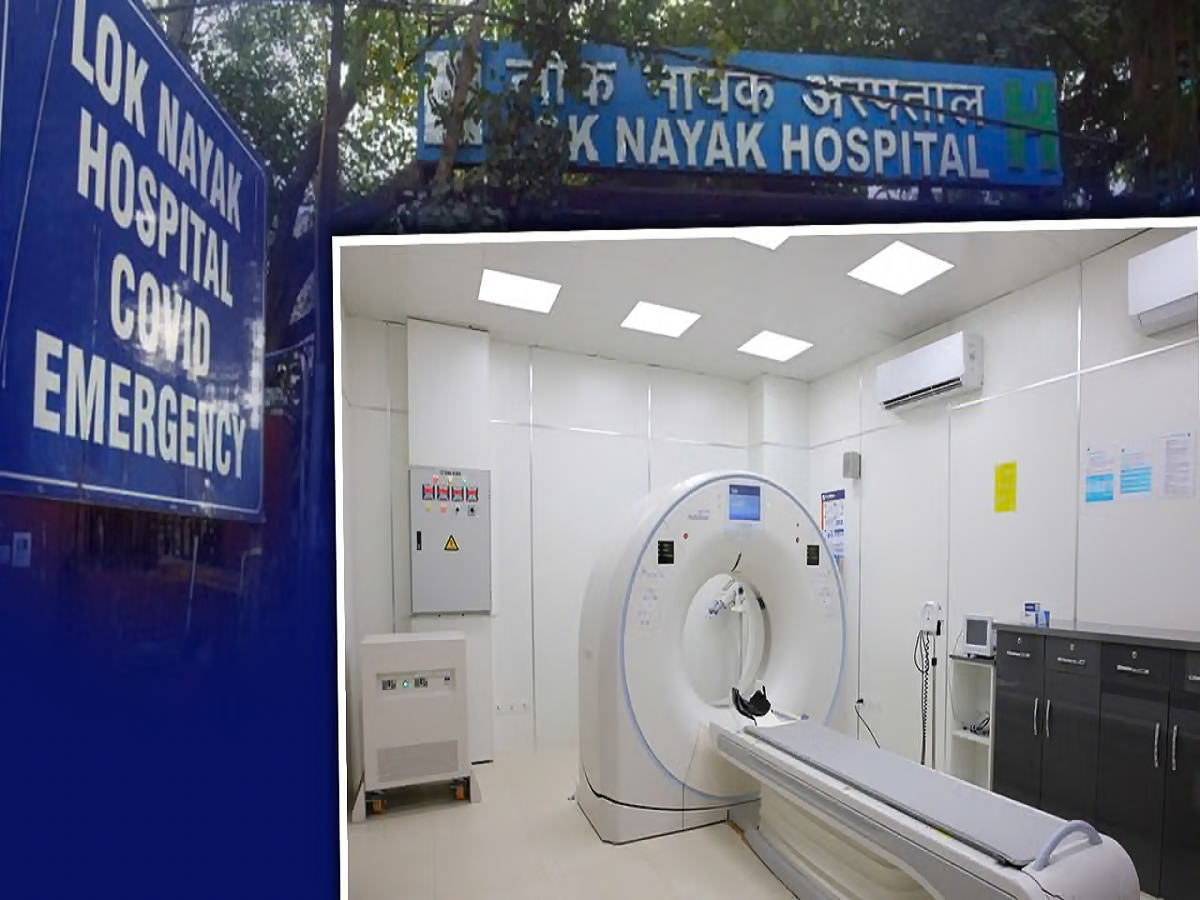
Delhi’s Lok Nayak Jai Prakash (LNJP) Hospital is set to strengthen its diagnostic capabilities with the installation of advanced medical imaging systems, including a third-generation dual-source CT scanner and a 3-Tesla MRI machine. The new equipment is expected to help doctors detect serious medical conditions more efficiently and improve diagnostic services for patients.
These modern technologies will be particularly valuable in emergency care, trauma management, cardiac treatment, cancer diagnosis and neurological disorders, where accurate and timely imaging can play a crucial role in clinical decision-making.
Delhi Health Minister Dr. Pankaj Kumar Singh said the initiative would strengthen healthcare infrastructure at the government-run hospital. The move is part of the broader effort to improve access to modern diagnostic facilities in public healthcare institutions.
Chest Scans in Less Than a Second With Advanced CT Technology
One of the major additions will be a third-generation dual-source CT scanner designed to produce detailed medical images at exceptionally high speeds.
According to the announcement, the system will be capable of completing a chest scan in less than a second under suitable scanning conditions. This could be especially useful for critically ill patients, accident victims and individuals who cannot remain still for long periods.
The scanner's ability to produce image slices as thin as 0.5 millimetres will allow doctors to examine internal structures in considerable detail.
Key features of the advanced CT system include:
-
Rapid imaging: Helps doctors assess patients quickly in emergency and trauma situations.
-
Detailed internal images: Supports the examination of organs, blood vessels and other structures.
-
Radiation-dose management: Advanced technology can help optimise radiation exposure according to the examination.
-
Kidney stone analysis: Special imaging techniques may help determine the chemical composition of certain kidney stones and identify uric acid deposits associated with gout.
These capabilities could help clinicians make more informed decisions when evaluating complex medical conditions. However, the appropriate imaging method will depend on the patient's symptoms and clinical needs.
3-Tesla MRI to Strengthen Cancer, Stroke and Heart Disease Diagnosis
The hospital is also set to receive a 3-Tesla MRI system, which uses a powerful magnetic field to produce detailed images of internal body structures.
Compared with lower-field MRI systems, a 3-Tesla machine can provide higher signal strength, potentially allowing more detailed images or shorter examinations for certain clinical applications. The actual benefits depend on the body part being examined and the scanning protocol used.
The planned system will feature a wide 70-centimetre bore, designed to improve comfort for many patients during examinations.
Its potential applications include:
-
Neurology: Detailed imaging to help assess stroke, brain disorders and other neurological conditions.
-
Oncology: Examination of tumours and support for cancer diagnosis and treatment planning.
-
Cardiology: Imaging of the heart and cardiovascular structures when clinically indicated.
-
Breast imaging: Detailed assessment of selected breast conditions.
-
Orthopaedics: Evaluation of joints, muscles, ligaments and other musculoskeletal structures.
-
Urology: Investigation of certain conditions affecting the urinary system.
-
Paediatric care: Support for diagnostic examinations in children.
The system is expected to expand the range of imaging services available at LNJP Hospital and support doctors in evaluating complex medical conditions.
Better Diagnostic Facilities for Emergency Patients
In emergency medicine, time can make a significant difference to treatment decisions. Conditions such as traumatic injuries, internal bleeding and suspected stroke may require rapid imaging to guide further care.
A high-speed CT scanner can help doctors assess certain emergencies quickly, while MRI provides detailed images for conditions where soft-tissue contrast and specialised imaging are particularly valuable.
Having access to both technologies can support a wider range of diagnostic needs. Nevertheless, the choice between CT, MRI and other investigations will continue to depend on the patient's condition, medical history and the urgency of treatment.
The new systems could also support more efficient hospital workflows, depending on staffing, operating hours, maintenance and the number of patients requiring scans.
Doctors, Medical Students and Researchers to Benefit
The planned installation is expected to offer benefits beyond routine patient diagnosis.
Advanced imaging systems can support medical education by allowing doctors and students to study detailed anatomical structures and understand complex diseases more effectively.
They may also create opportunities for clinical research, including studies of diagnostic techniques, disease progression and treatment outcomes.
For a major government hospital that serves a large patient population, strengthening imaging infrastructure can contribute to both clinical training and the development of medical expertise.
A Step Towards Modern Public Healthcare
The addition of advanced CT and MRI equipment at LNJP Hospital reflects the growing importance of modern diagnostic technology in public healthcare.
Earlier and more accurate identification of medical conditions can help doctors select appropriate treatments, although outcomes also depend on timely consultations, specialist availability and access to follow-up care.
The proposed facilities could be particularly valuable for patients who depend on government hospitals for specialised medical services.
As the installation and commissioning process progresses, the practical impact will depend on when the machines become operational and how effectively they are integrated into the hospital's existing services.
Ultimately, the initiative represents an important step towards expanding diagnostic capabilities and improving access to advanced medical imaging for patients in Delhi.