LIFESTYLE
From Wild Rainy-Season Growth to Restaurant Favourite: How Mushrooms Became a Popular Food in India
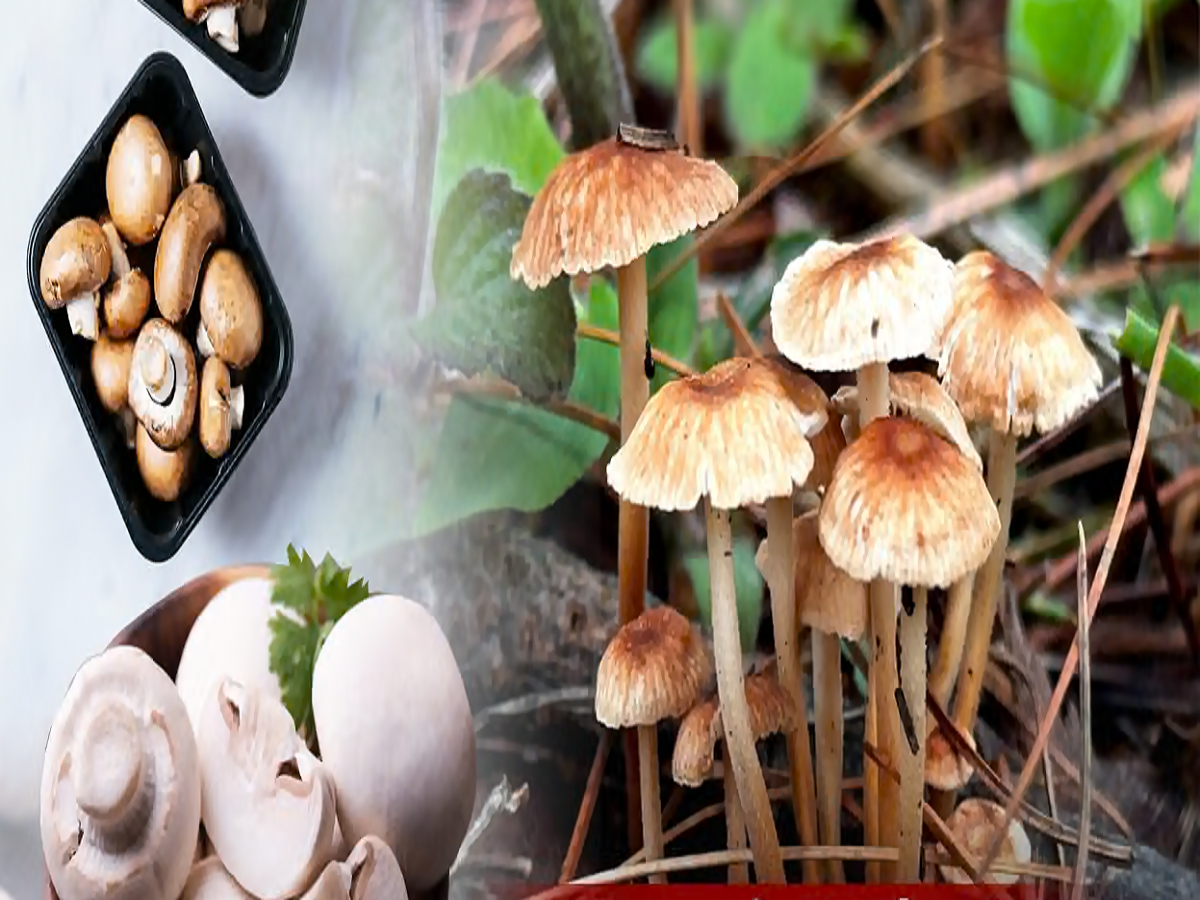
Once spotted growing in fields, forests and damp places during the monsoon, mushrooms were traditionally known in many parts of India as kukurmutta or khumbi. Today, they have become a familiar ingredient in homes, supermarkets and restaurant kitchens.
From mushroom masala and matar mushroom to soups, pizzas and Manchurian, these fungi have found their way into a wide variety of dishes. Their distinctive flavour, soft texture and versatility have helped them gain popularity among food lovers.
But how did something once associated with wild growth after the rains become a widely consumed food? The answer lies in changing food habits, scientific cultivation and the growing popularity of diverse cuisines.
Mushrooms and Kukurmutta: Are They the Same?
The terms mushroom and kukurmutta generally refer to fungi that produce visible fruiting bodies. In everyday Indian usage, kukurmutta and khumbi are common names for certain wild or cultivated mushrooms, although local terminology varies across regions.
An important distinction, however, is that not every mushroom is suitable for eating. Some wild species are poisonous and can cause severe illness or even death.
Edible mushrooms sold in markets are cultivated or collected as food only when their identity and suitability for consumption are established. An unfamiliar mushroom growing in a field, garden or forest should never be eaten simply because it resembles a familiar variety.
Commercial mushroom farming relies on controlled growing conditions and appropriate cultivation techniques to produce consistent, edible varieties.
How Did Mushrooms Become a Popular Food?
Mushrooms have been consumed in different parts of the world for centuries. However, their journey from seasonal wild growth to a commercially available food was supported by the development of cultivation techniques.
The history of commercial button mushroom cultivation is closely associated with France, where growers developed methods of producing mushrooms in controlled environments. Over time, cultivation practices spread to other countries, making fresh mushrooms more accessible throughout the year.
In India, agricultural research and improved farming methods have helped expand mushroom production. Institutions such as the Indian Council of Agricultural Research (ICAR) have contributed to research, cultivation practices and the development of mushroom farming.
Today, Indian growers cultivate several varieties, including:
-
White button mushrooms: The familiar white mushrooms commonly found in supermarkets and used in curries, pizzas and soups.
-
Oyster mushrooms: Known for their delicate texture and fan-shaped appearance.
-
Milky mushrooms: A variety suited to warm growing conditions and cultivated in several parts of India.
-
Paddy straw mushrooms: Traditionally associated with warm, humid environments and used in various regional cuisines.
The development of these varieties has helped make mushrooms more accessible to consumers with different culinary preferences.
Why Are Mushrooms Becoming Popular in Indian Kitchens?
1. A Distinctive Taste and Texture
Mushrooms have a savoury flavour, often described as umami, that makes them different from many conventional vegetables. Their texture changes during cooking, allowing them to absorb flavours from spices, herbs, sauces and gravies.
They work well with ingredients such as garlic, onions, tomatoes, cream and black pepper. This versatility allows cooks to use mushrooms in both traditional Indian dishes and international recipes.
2. More Choices for Vegetarian Meals
India has a large population that follows vegetarian diets, creating demand for ingredients that add variety to everyday meals.
Mushrooms can be incorporated into dishes such as matar mushroom, mushroom tikka, mushroom pulao, mushroom masala and creamy mushroom soup. Their savoury taste and substantial texture can also make meals more satisfying.
However, mushrooms are fungi, not plants, and their nutritional composition differs from that of conventional vegetables.
3. Growing Restaurant and Fast-Food Culture
The popularity of restaurants, cafés and international cuisines has introduced more people to mushroom-based dishes.
Today, mushrooms appear in pizzas, pasta, burgers, sandwiches, stir-fries and a variety of starters. Their ability to complement different sauces and cooking styles has made them a common ingredient in commercial kitchens.
As consumers become more familiar with these dishes, they are also more likely to experiment with mushrooms at home.
4. Greater Availability in Markets
Earlier, access to fresh mushrooms could depend on local availability and seasonal conditions. Commercial cultivation, improved storage practices and organised retail distribution have made cultivated mushrooms easier to find in many Indian cities.
Packaged mushrooms in supermarkets and grocery stores have also made it more convenient for consumers to purchase measured quantities for everyday cooking.
The expansion of mushroom farming has created opportunities for agricultural entrepreneurs and farmers looking for alternative crops, although profitability depends on production costs, market access and growing conditions.
Are Mushrooms Nutritious?
Mushrooms offer several nutritional benefits when included in a balanced diet. They are generally low in calories and provide nutrients such as B vitamins, minerals and fibre. Some varieties also contain useful amounts of protein, although mushrooms should not automatically be treated as a complete replacement for other protein-rich foods.
Their nutritional value varies depending on the species, growing conditions and preparation method.
For a balanced meal, mushrooms can be combined with pulses, dairy products, whole grains and other vegetables. Cooking methods also matter: deep-frying or adding large amounts of butter and cream can significantly increase a dish's calorie content.
Can You Eat Every Mushroom That Grows During the Rainy Season?
No. This is one of the most important things to understand about mushrooms.
Warm, humid conditions during the monsoon encourage many fungal species to grow. Some are edible, while others contain toxins that can cause serious poisoning.
Wild mushrooms can look very similar despite having completely different safety profiles. Cooking, washing or drying a poisonous mushroom does not reliably make it safe to eat.
For this reason, consumers should purchase mushrooms from reliable suppliers and avoid eating wild mushrooms unless their identity and edibility have been established by a qualified expert.
The Future of Mushroom Farming in India
Mushroom cultivation offers opportunities for agricultural diversification because some varieties can be grown using agricultural residues and relatively small spaces. However, successful production requires suitable growing substrates, proper hygiene, moisture management, temperature control and reliable access to buyers.
Demand from restaurants, supermarkets and households may create opportunities for farmers, but commercial success depends on local conditions and the ability to maintain product quality.
With improved cultivation techniques and greater consumer awareness, mushrooms are likely to remain an important ingredient in India's evolving food culture.
Final Thoughts
The journey of mushrooms from seasonal wild growth to a familiar food reflects changes in agriculture, food distribution and culinary preferences.
Scientific cultivation has made edible varieties more accessible, while their distinctive taste and versatility have helped them become popular in Indian homes and restaurants.
Whether served in a traditional curry, a bowl of soup or a slice of pizza, mushrooms demonstrate how an unfamiliar ingredient can become part of everyday eating habits. The key is to choose recognised edible varieties, handle them safely and enjoy them as part of a balanced diet.