Delhi’s New EV Policy Sparks Rally in Electric Vehicle Stocks, Puts Traditional Auto Shares Under Pressure
- byPranay Jain
- 30 Jun, 2026
The Delhi government's newly announced EV Policy 2.0 had an immediate impact on the stock market on Tuesday, with shares of electric vehicle manufacturers gaining momentum while several companies focused on petrol and diesel vehicles came under selling pressure.
EV Stocks Gain, Conventional Auto Shares Slip
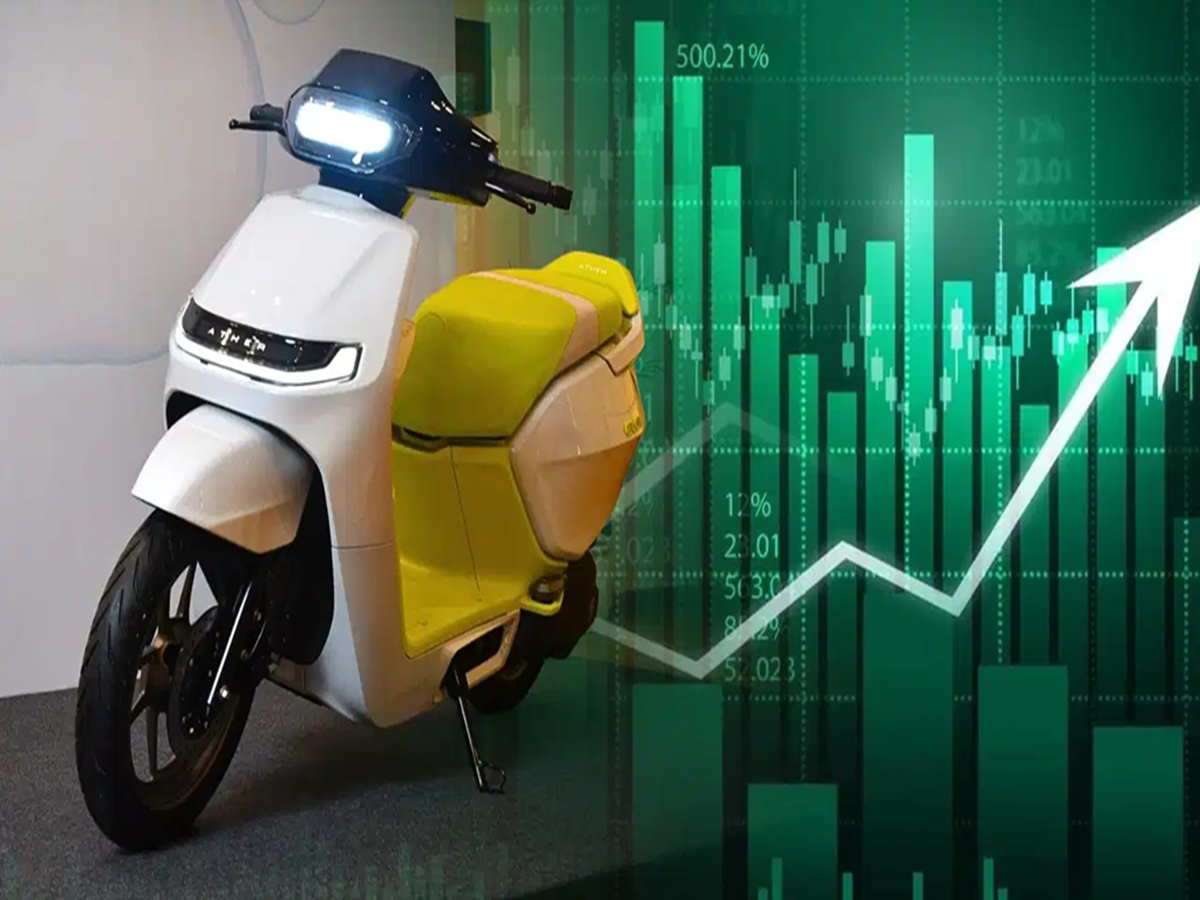
Electric scooter maker Ather Energy emerged as one of the biggest winners, with its shares rising nearly 4% to hit a record high of ₹1,131. The company's stock has gained around 49% so far in 2026.
Ola Electric also posted strong gains, with its shares climbing approximately 9.3% during the trading session.
Meanwhile, shares of traditional automobile companies faced pressure. Eicher Motors, the parent company of Royal Enfield, fell by nearly 7% in early trade before recovering some losses. By around 1 p.m., the stock was still down about 3.5%. Bharat Forge also declined sharply before trimming losses, while Hero MotoCorp, Sona BLW Precision Forgings, and Samvardhana Motherson International also traded lower.
What Is Delhi's EV Policy 2.0?
The Delhi government will implement EV Policy 2.0 from July 1, 2026, and the policy will remain in force until March 31, 2030.
The policy aims to accelerate electric vehicle adoption and reduce air pollution in the national capital through stricter registration rules and financial incentives.
Key provisions include:
- Only electric auto-rickshaws will be registered in Delhi from January 1, 2027.
- Only electric two-wheelers will be registered from April 1, 2028.
Subsidies to Encourage EV Buyers
To boost electric vehicle adoption, the government has announced a phased subsidy structure:
For electric two-wheelers:
- Up to ₹30,000 in the first year
- Up to ₹20,000 in the second year
- Up to ₹10,000 in the third year
For electric auto-rickshaws:
- Up to ₹50,000 in the first year
- Up to ₹40,000 in the second year
- Up to ₹30,000 in the third year
In addition, owners scrapping BS-IV or older petrol and diesel vehicles will be eligible for incentives of up to ₹1 lakh. The policy does not offer specific incentives for hybrid vehicles.
The government plans to invest around ₹15,000 crore over the next four years to expand charging stations, EV infrastructure, and related facilities.
What Could This Mean for the Auto Industry?
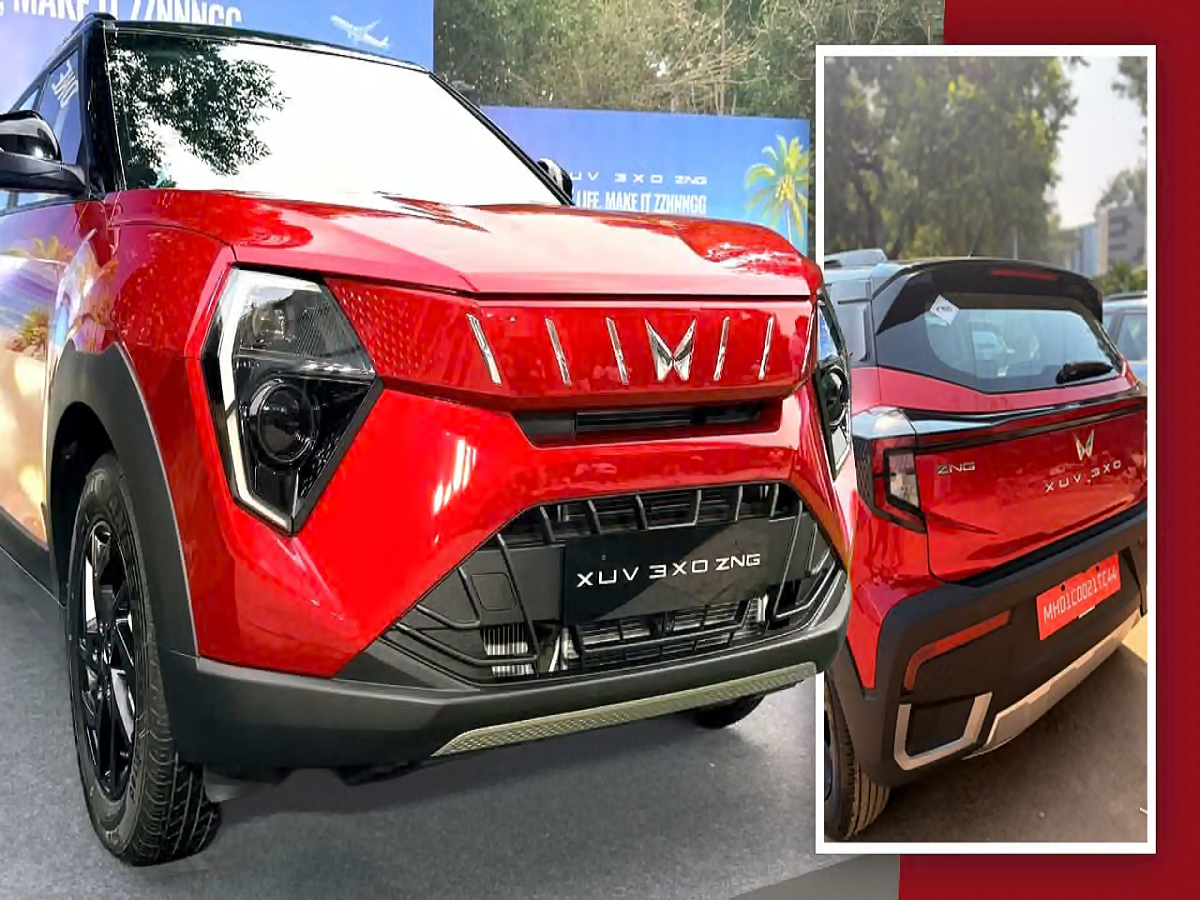
Market experts believe the policy could strengthen long-term demand for electric vehicles, benefiting companies with a strong EV presence, including Tata Motors, Mahindra, Ola Electric, Ather Energy, and manufacturers of electric three-wheelers.
The policy could also influence other states to introduce similar measures, potentially accelerating India's transition to electric mobility.
However, companies that rely heavily on petrol-powered motorcycles, such as Royal Enfield, Bajaj Auto, and TVS Motor, may face increased competitive pressure unless they expand their electric vehicle portfolios in the coming years.