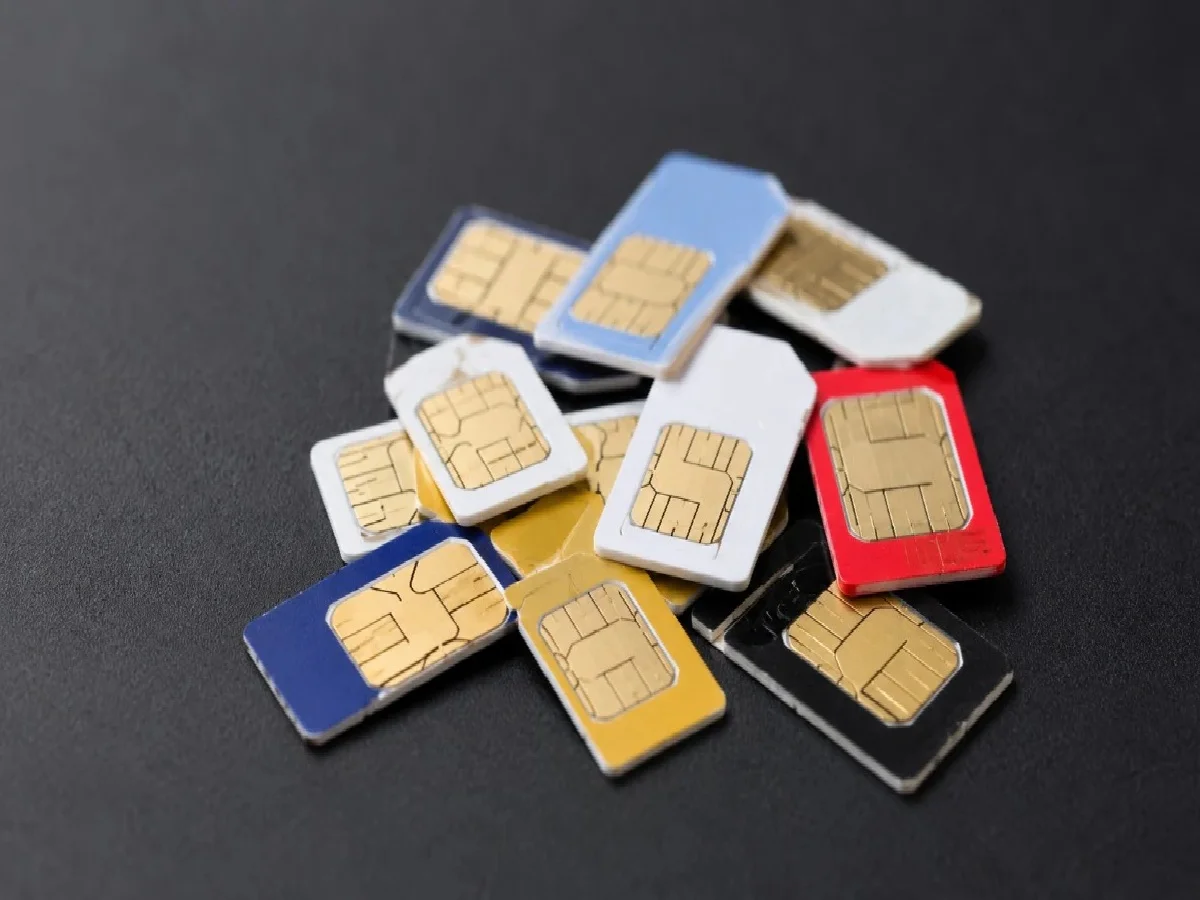
In today’s hyper-connected financial landscape, your mobile phone number is no longer just a tool for calling—it functions as the primary digital gateway to your bank accounts, government profiles, and personal emails. Cybercriminals have increasingly shifted their focus away from traditional hacking toward a technique known as SIM Swapping.
In a SIM swap attack, a fraudster convinces your telecom operator to port your mobile number over to a blank SIM card in their possession, effectively hijacking your incoming calls, text messages, and critical One-Time Passwords (OTPs). Securing your physical and digital SIM connection is a crucial baseline defense against modern financial fraud. Here are the most effective ways to secure your mobile network presence.
1. Activating Your SIM Card Lock (PIN Protection)
Most smartphone users secure their lock screens with a passcode, fingerprint, or face recognition, but completely overlook the security of the actual physical SIM card sitting inside the tray. If your phone is lost or stolen, a thief can simply eject your SIM card, insert it into a different device, and gain instant access to your contacts and incoming OTP notifications.
To prevent this, you should set up a native SIM PIN:
-
How to Activate It: Navigate to your smartphone's Security or Privacy settings, locate the "Set Up SIM Card Lock" menu, and toggle it on.
-
The Default Safeguard: Your network provider configures a generic default PIN (often
0000or1234) out of the factory. You must enter this default code first, and then immediately change it to a unique, private 4-to-8-digit PIN.
2. Upgrading to an eSIM (Electronic SIM)
If your smartphone hardware supports it, transitioning from a physical plastic nano-SIM to an integrated eSIM significantly hardens your device's physical security profile.
An eSIM is a digital profile downloaded securely over the air and permanently embedded into your phone's internal motherboard. Because there is no physical card to remove, a thief who steals your phone cannot separate your mobile number from the hardware. As long as the phone remains powered on, it will stay connected to your cellular network, allowing you to track its live location via remote security tools and preventing the number from being used in an external device.
3. Transitioning Away from SMS-Based OTPs
While locking your SIM card prevents localized theft, it doesn’t stop a remote hacker from trying to impersonate you to your telecom provider's customer service desk. Because SMS text messages were never originally engineered to be secure financial verification tools, relying entirely on text-based OTPs leaves you vulnerable.
Wherever possible, log into your banking applications, email dashboards, and primary investment portals to update your Two-Factor Authentication (2FA) preferences:
-
Ditch SMS Verification: Turn off text-based OTPs as your primary security checkpoint.
-
Adopt Authenticator Apps: Link your profiles to secure, time-based authenticator apps (such as Google Authenticator or Microsoft Authenticator). These apps generate rolling 6-digit codes locally on your device every 30 seconds, entirely independent of your cellular network signal or SIM card configuration.
Recognizing the Early Warning Signs of an Attack
The Golden Rule of Mobile Security: SIM swap attacks happen silently from a distance. The definitive red flag is a sudden, unexplained loss of network signal in an area where you normally have perfect coverage. If your phone displays a persistent "No Service," "SOS Only," or "SIM Not Provisioned" alert, and a standard device restart fails to fix it, do not assume it is a temporary network glitch.
Immediately borrow an alternative phone or use an internet connection to contact your telecom operator's emergency hotline to audit your account status. If they confirm that a replacement SIM card was recently issued for your number without your explicit authorization, instruct them to freeze your connection instantly before fraudsters can initiate unauthorized transfers out of your bank accounts.