TECH
Digital Rupee to Reach Government Benefits: New CBDC-Based Transfer System Launched, Know How It Works
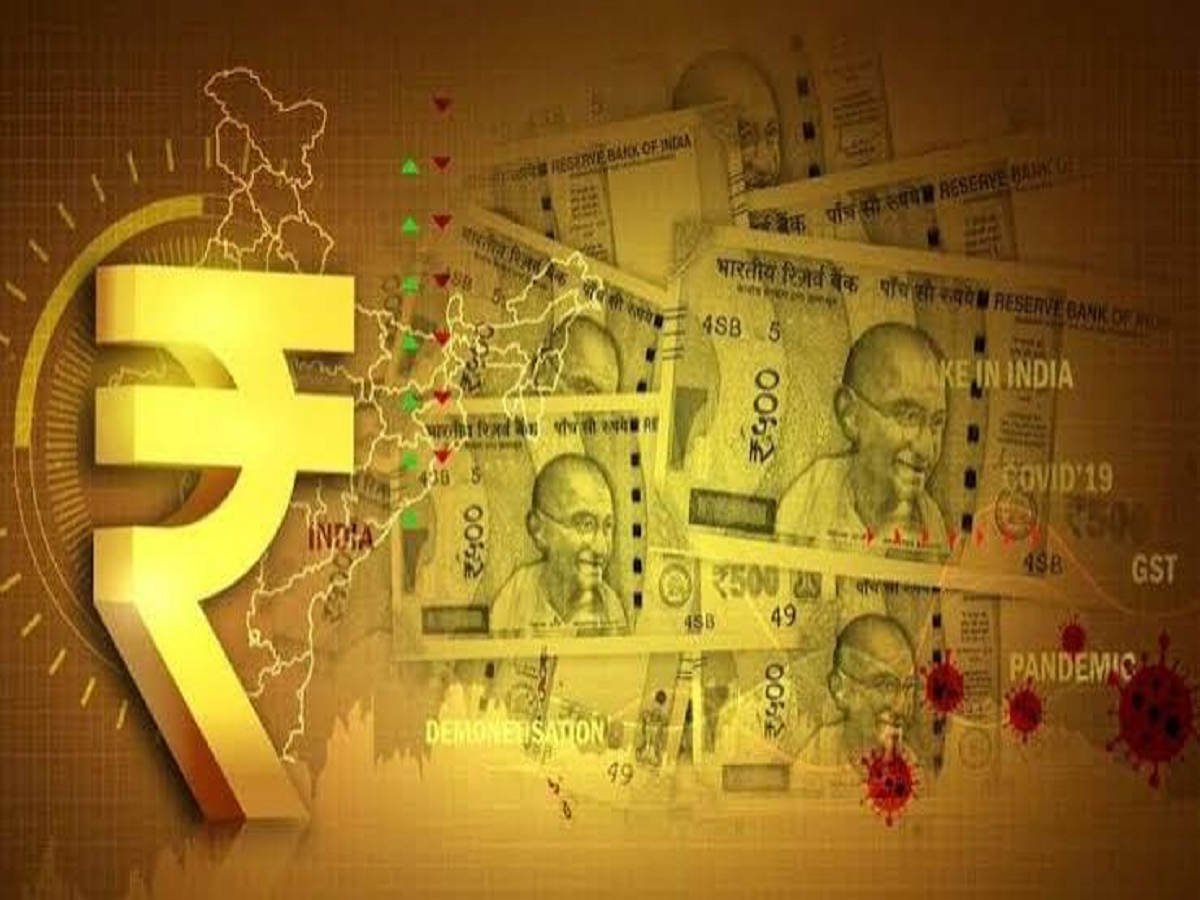
The government has taken another major step towards making welfare payments more digital. A new Central Bank Digital Currency (CBDC)-based Direct Benefit Transfer system has been introduced for eligible beneficiaries under the Pradhan Mantri Garib Kalyan Anna Yojana (PMGKAY).
Chandigarh and Dadra & Nagar Haveli are the first Union Territories where this system is being implemented. Under the new arrangement, eligible beneficiaries can receive food subsidy transfers in the form of programmable Digital Rupee tokens directly into their CBDC wallets.
What Is the Digital Rupee Benefit Transfer?
The Digital Rupee, also known as e₹, is India's central bank digital currency. Unlike ordinary money held in a bank account, CBDC is issued in digital form by the Reserve Bank of India.
Under the new system, eligible PMGKAY beneficiaries in the selected Union Territories can receive their food subsidy through Digital Rupee tokens.
The government says the initiative is aimed at making welfare delivery more transparent, technology-driven and efficient.
Who Can Benefit From This?
The new system is currently being implemented for eligible PMGKAY beneficiaries in Chandigarh and Dadra & Nagar Haveli.
It is important to note that this does not mean every LPG, ration-card or government-scheme beneficiary across India will automatically receive money through a Digital Rupee wallet. The current rollout is limited to the specified locations and eligible beneficiaries.
What Makes CBDC-Based DBT Different?
Traditional Direct Benefit Transfer systems generally transfer money electronically into a beneficiary's bank account.
The CBDC-based system introduces another digital layer. The government can issue programmable digital tokens that can be transferred directly into eligible beneficiaries' CBDC wallets.
This could potentially make welfare payments easier to track and improve transparency in government subsidy delivery.
Government Is Expanding Digital Public Services
The move is part of India's broader push towards digital public infrastructure. Government services that previously required paperwork and physical visits are increasingly being shifted to digital platforms.
The government says digital infrastructure has helped connect citizens, government departments and institutions, making public services faster and more accessible.
Financial inclusion is also expanding, with India seeing significant growth in access to banking, digital payments, credit, insurance and pension services.
Will Digital Rupee Benefits Expand to Other States?
The current announcement covers Chandigarh and Dadra & Nagar Haveli. Whether similar CBDC-based welfare transfers will subsequently be introduced in other states and Union Territories will depend on future government decisions.
For now, eligible beneficiaries in the selected regions should follow information provided through official government channels rather than relying on social-media claims about nationwide Digital Rupee payments.
The latest development is significant because it shows how India's digital currency infrastructure could gradually move beyond payments and become part of the country's welfare-delivery system.