A research paper titled “Epidemiology of Gallbladder Cancer in India” published in the CCO journal reveals a worrying fact—India accounts for nearly 10% of the world’s total gallbladder cancer cases. The numbers have been rising consistently over the years. Experts believe poor diet, contaminated water, and untreated gallstones are among the major causes. What’s more alarming is that gallstones—often ignored by people—can sometimes lead to gallbladder cancer.
Millions across the country suffer from gallstones, and many dismiss the condition as harmless. But doctors warn that untreated gallstones can cause chronic damage and, in some cases, become life-threatening.
Why Gallbladder Stones Form
According to Dr. Sachin Ambekar, Director of Minimal Access Surgery at MASSH Hospital, the process of stone formation begins with the breakdown of ageing red blood cells. This breakdown produces bilirubin, a pigment that is normally eliminated by the liver through urine and stool.
However, in some people, the liver fails to expel bilirubin properly. It begins to accumulate in the gallbladder, eventually forming small particles that gradually develop into stones over the years.
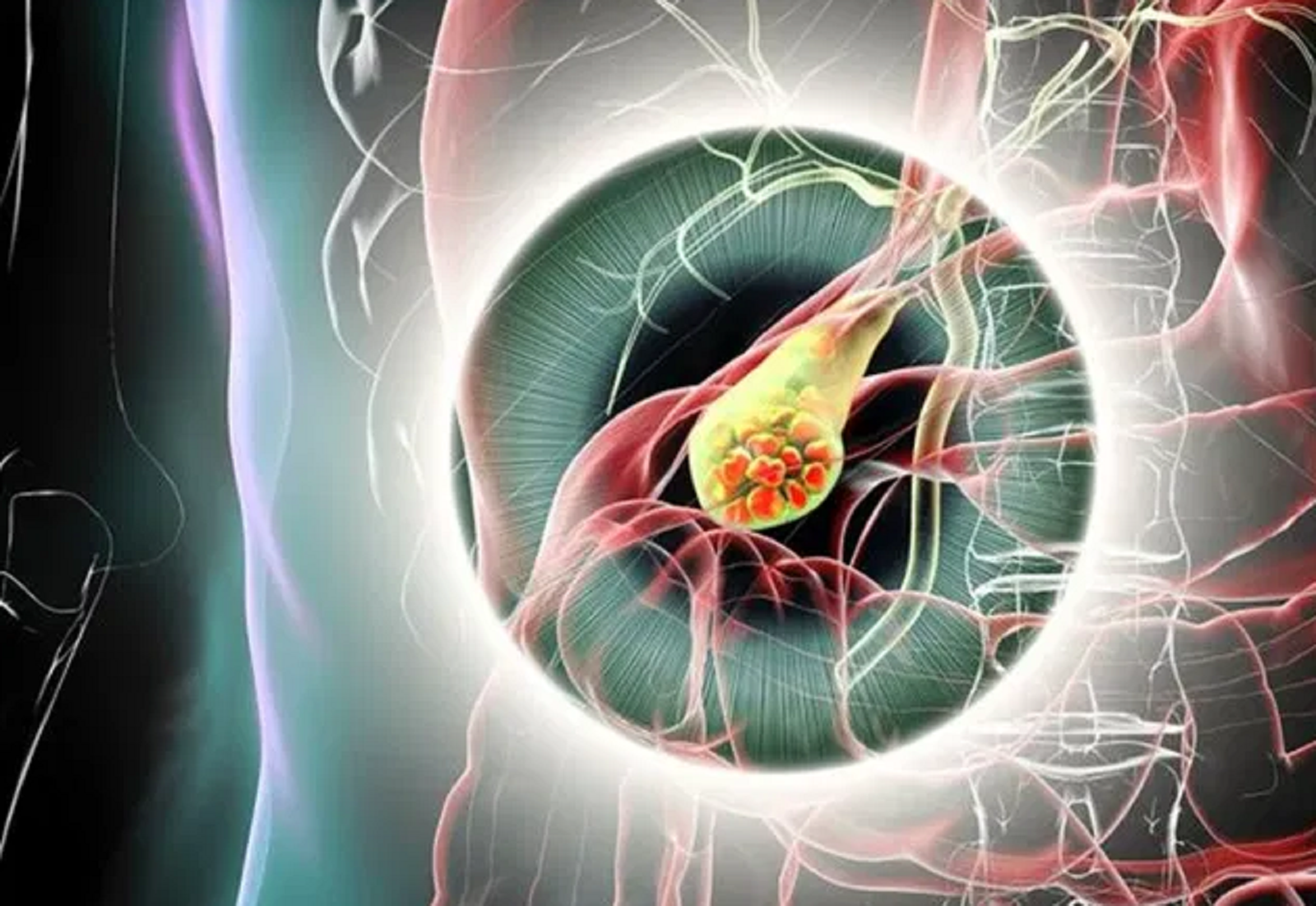
Dr. Sachin explains that gallstones form in multiple stages. Initially, they are so small that symptoms do not appear. As they grow, symptoms begin to show, but most patients ignore them. Over time, the stones start damaging the gallbladder lining, increasing the risk of cancer.
How Gallstones Can Turn Into Cancer
Prolonged presence of gallstones leads to chronic inflammation in the inner lining of the gallbladder. Dr. Sachin warns that when stones remain untreated for more than five years, the risk of developing gallbladder cancer increases significantly.
The size of the stone is another major factor. Patients with stones larger than 10 mm are at a higher risk of cancer.
There have been many cases where patients continued alternative treatments for years. When they finally sought medical help due to severe pain, doctors removed the gallbladder surgically—but biopsy reports revealed cancer, often at an advanced stage.
In recent years, the number of patients who developed cancer due to long-standing gallstones has increased sharply, Dr. Sachin says. This is why timely treatment is crucial. Today, gallbladder removal surgery is simple, minimally invasive, and often completed in less than 30 minutes.
When Is Gallbladder Cancer Incurable?
Dr. Rohit Kapoor, from the Oncology Department at Max Hospital, states that gallbladder cancer cases have risen considerably. A major portion of these cases is linked to untreated gallstones.
Unfortunately, most patients are diagnosed in advanced stages, where the cancer becomes extremely difficult to treat or cure. Late detection drastically reduces survival chances.
Symptoms of Gallbladder Cancer
Early detection is often difficult, but these warning signs should never be ignored:
-
Persistent pain in the upper right abdomen
-
Jaundice that continues or worsens
-
Loss of appetite
-
Severe itching
-
Unexplained weight loss (in some cases)
How to Prevent Gallbladder Stones
Doctors recommend these lifestyle measures to reduce the risk of stone formation:
-
Avoid fried and high-fat foods
-
Drink plenty of clean water
-
If abdominal pain persists, get an ultrasound
-
Exercise regularly to improve digestion and metabolism