LIFESTYLE
Hidden Antibiotic in Eggs Raises Cancer Concerns: What Are Nitrofurans and How Can You Identify Safe Eggs?
Concerns over food safety have increased after the Food Safety and Standards Authority of India (FSSAI) sought egg samples from different parts of the country for testing. This move came after complaints that some poultry farms may still be using nitrofurans, a group of antibiotics banned in India, to promote faster growth and prevent infections in chickens.
Although the use of nitrofurans has been prohibited for years, there are fears that they are being used illegally. When these antibiotics are given to chickens, their chemical residues can pass into the eggs. For people who regularly consume eggs, this can pose a potential health risk.
Why are nitrofurans harmful to health?
Professor Dr. L. H. Ghotekar, Director of the Department of Medicine at Lady Hardinge Medical College, Delhi, explains that nitrofuran residues can enter the human body and damage DNA. This increases the risk of several diseases. According to him, these drugs can harm liver and kidney cells, raising the chances of fatty liver disease and kidney-related problems.
However, Dr. Ghotekar clarifies that such risks usually arise only when eggs from nitrofuran-treated hens are consumed over a long period of time. Short-term or occasional exposure does not immediately cause serious damage.
He further explains that nitrofurans were banned after studies showed abnormal growth patterns in animals and harmful effects on humans. Due to these dangers, many countries, including India, prohibited their use. If these drugs are still being used in some poultry farms, it is a serious public health issue, and FSSAI’s action to test samples is a necessary step.
Does eating such eggs increase cancer risk?
Experts say that eating eggs containing nitrofurans for a few days or even a month does not significantly increase the risk of cancer. The concern arises when such eggs are consumed continuously for several years.
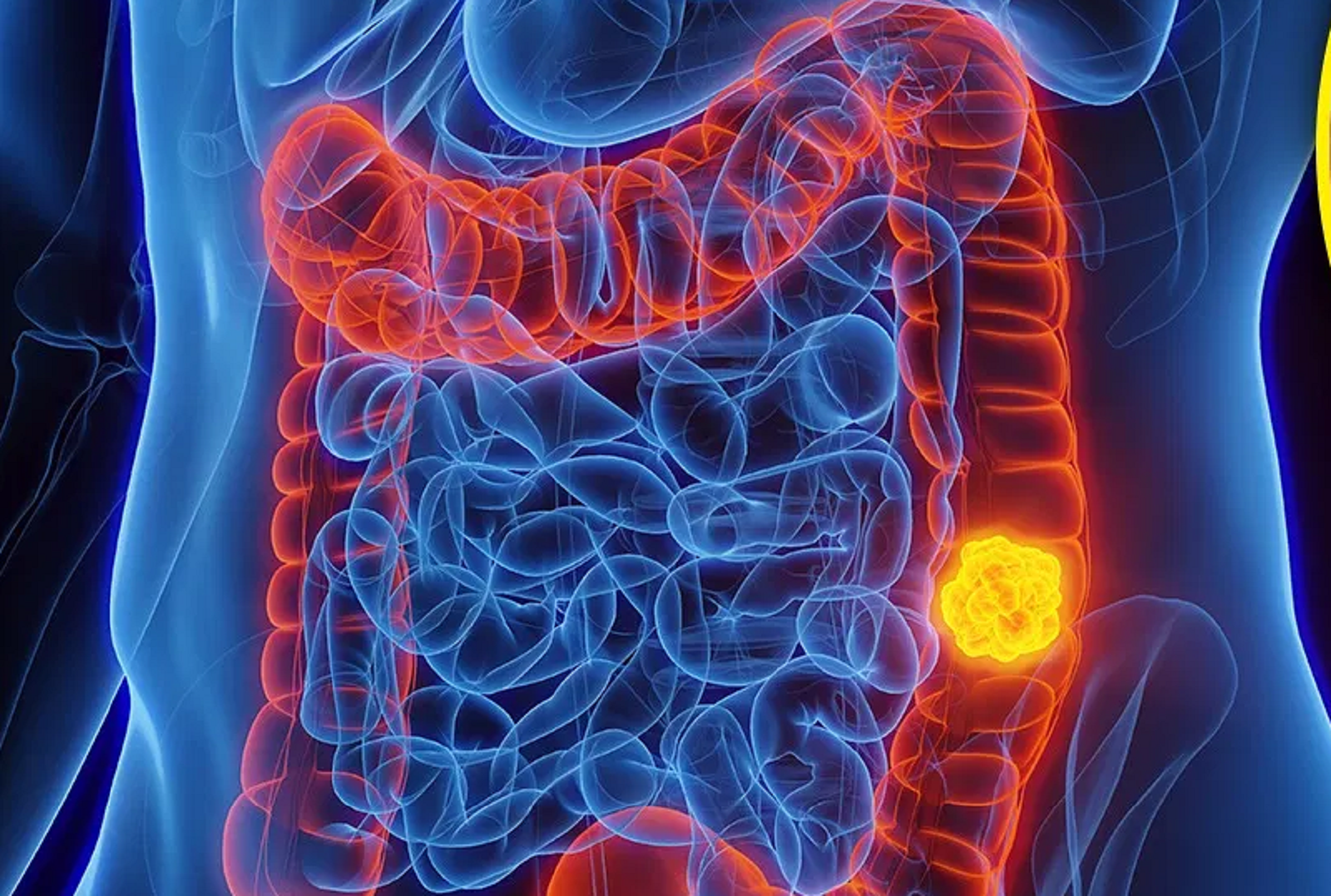
Long-term intake of these substances can damage intestinal cells, cause chronic inflammation, and trigger abnormal cell growth. Over time, this process may increase the risk of developing cancer.
Can consumers identify nitrofuran-contaminated eggs at home?
Unfortunately, there is no easy way for common people to identify whether an egg contains nitrofurans. Dr. Ghotekar says these antibiotics cannot be detected by the egg’s color, taste, or smell. Even boiling or cooking eggs thoroughly does not guarantee the removal of these residues.
The only reliable method to detect nitrofurans is through laboratory testing. As a precaution, consumers are advised to purchase eggs only from FSSAI-licensed brands and authorized sellers, who are more likely to follow safety standards.