ENTERTAINMENT
Ikkis Disclaimer Controversy: Social Media Divided Over End-Credit Message in Dharmendra’s Final Film
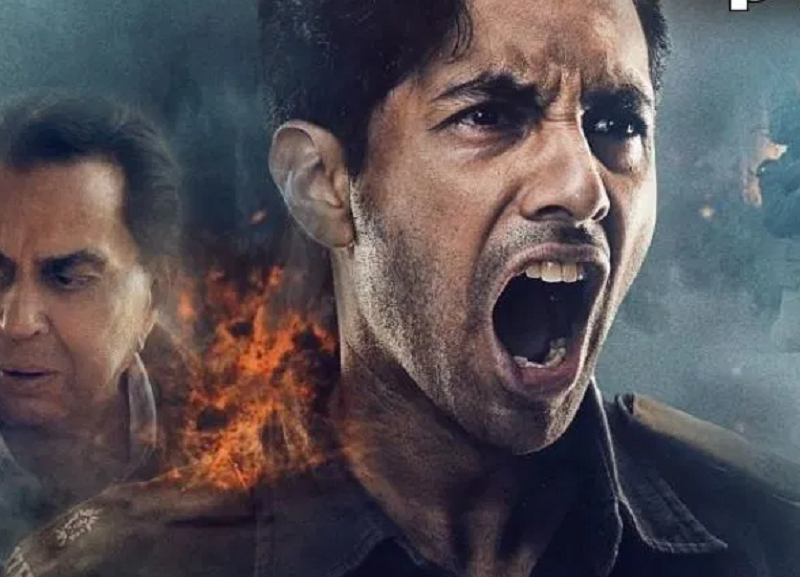
The recently released Bollywood war drama Ikkis, which hit theatres on January 1, 2026, has found itself at the centre of a heated online debate—not because of its performances or box-office numbers, but due to a strongly worded disclaimer shown during the end credits. The controversy has intensified as the film is being promoted as the last cinematic appearance of legendary actor Dharmendra, making public reactions even more emotionally charged.
Film Overview: A Patriotic War Drama
Ikkis is inspired by the 1971 Indo-Pak War and narrates the story of Second Lieutenant Arun Khetarpal, a Param Vir Chakra awardee remembered for his extraordinary bravery. The role of Arun Khetarpal is portrayed by Agastya Nanda, grandson of Amitabh Bachchan, marking another significant debut in Bollywood’s legacy families.
Veteran actor Dharmendra appears in the film as Arun Khetarpal’s father, a role that has attracted attention due to its emotional depth and symbolic importance. The supporting cast includes Jaideep Ahlawat, who plays Pakistani Brigadier Nisar, a character now central to the ongoing controversy.
What Does the Disclaimer Say?
The debate erupted after viewers noticed a disclaimer at the end of the film, which states that while the Pakistani brigadier portrayed in the movie is shown behaving humanely, such conduct should be seen as an exception rather than the norm. The disclaimer further claims that, historically, Pakistani forces have treated Indian soldiers and civilians brutally during both wartime and peacetime, and urges Indian citizens to remain vigilant.
This message, displayed after the conclusion of the narrative, has triggered mixed reactions across social media platforms.
Social Media Reacts: Support vs Criticism
Soon after the film’s release, screenshots of the disclaimer began circulating online, sparking intense discussions. While some users defended the disclaimer as a reflection of historical realities and national sentiment, others questioned the timing and intent behind its inclusion.
Several social media users suggested that the disclaimer may have been added at the last moment, possibly under external pressure. One user commented, “You cannot sail in two boats at once. If the film shows nuance, the disclaimer undermines that honesty.” Another wrote, “It feels like a forced addition—almost as if the makers lost confidence in their own storytelling.”
On the other hand, supporters argue that the disclaimer serves as a clarification, ensuring that audiences do not misinterpret the portrayal of Pakistani characters as a broader endorsement.
Impact on the Film’s Reception
Ikkis has already received mixed reviews from critics and audiences alike, with praise for performances but criticism over pacing and narrative execution. However, the disclaimer controversy has now overshadowed these discussions, drawing attention away from the film’s artistic aspects and focusing instead on its political messaging.
Given Dharmendra’s iconic status and the sensitive subject of Indo-Pak relations, the issue has become more than just a cinematic debate—it has turned into a larger conversation about creative freedom, nationalism, and responsibility in storytelling.