Tensions in the Middle East are beginning to affect the global economy. The conflict involving Iran, Israel, and the United States has disrupted key supply routes and increased uncertainty in international markets. Experts warn that if the crisis continues, it could trigger price increases not only in fuel but also in everyday groceries and travel costs worldwide.
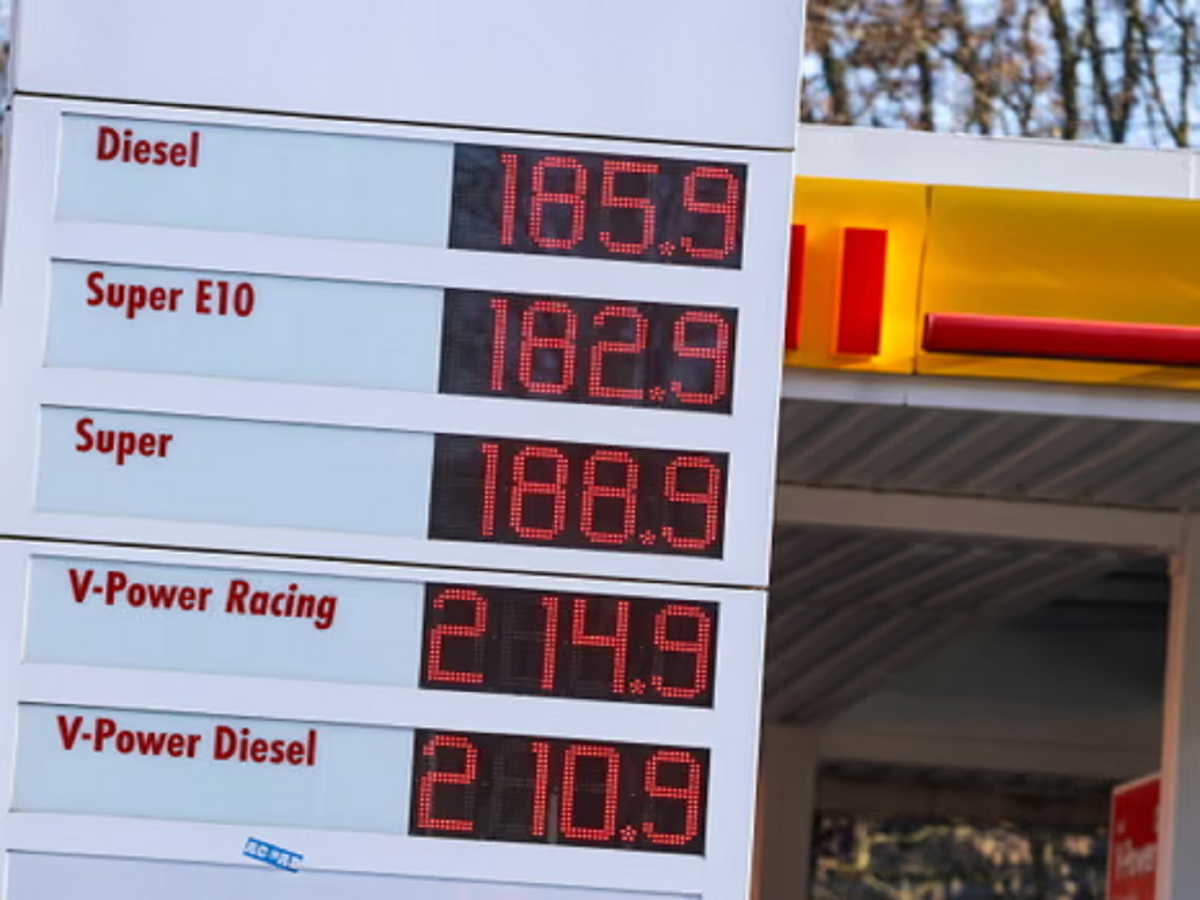
Petrol prices rise across Europe
The conflict has already pushed up global oil prices. Since the weekend escalation of military action involving Israel and the United States against Iran, crude oil prices have jumped sharply.
On Monday, the global crude oil rate climbed nearly 10 percent to around $82 (£61) per barrel, before slightly falling to $78 by Wednesday. Petrol prices at pumps across the UK and Europe have started to rise, and further increases are expected in the coming weeks.
Ireland’s Prime Minister Micheál Martin stated that there is no valid reason for excessive price hikes, noting that Ireland’s oil largely comes from the North Sea. Authorities in countries like Spain have also said they are closely monitoring fuel prices to prevent unjustified increases.
Heating oil costs surge
The crisis is also affecting household heating costs. In Northern Ireland, nearly two-thirds of homes rely on heating oil.
Prices have increased significantly:
-
On February 26, 500 litres of heating oil cost about £307.
-
Some suppliers are now charging up to £425 for the same amount.
This sharp rise is placing additional financial pressure on households already dealing with high living costs.
Air travel becomes extremely expensive
Flight disruptions are another major consequence of the crisis. The closure of several airports and restricted airspace across the Middle East has forced airlines to cancel thousands of flights between Europe and Asia.
Aviation analyst Michelle Wiese‑Bockmann reported that ticket prices for stranded passengers have surged dramatically. In some cases, flights to London are being sold for 2,400 to 3,600 euros.
Private jet services have raised prices even more:
-
A seat on a jet from Muscat to Milan reportedly cost £20,000.
-
A 13-seat charter flight from Oman to Paris was priced at 215,000 euros, nearly double the usual cost.
Experts say governments may need to intervene if prices continue to rise sharply.
Possible impact on grocery prices
Supermarket prices have not yet increased significantly, but analysts warn that supply disruptions could soon affect food costs.
A key concern is the strategic waterway known as the Strait of Hormuz. Nearly 20 percent of the world’s oil and gas supply and a large share of global fertilizer shipments pass through this route.
If shipping disruptions continue, prices of several food products may rise, including:
-
grains
-
Asian shrimp
-
dried fruits and nuts
Iran is also a major exporter of products such as pistachios, almonds, walnuts, saffron, and dates, meaning supply shortages could push prices higher in international markets.
However, analysts say there may also be unexpected price drops in some cases. For instance, if beef and poultry shipments from Brazil to the Middle East are redirected to Europe, meat prices there could fall.
Marine insurance costs increase
Shipping companies are also facing rising insurance costs. Several major insurers have temporarily suspended war-risk coverage for ships operating in the Gulf region.
Insurance broker Marcus Baker said premiums could rise by 50 to 100 percent or more. Rates that were previously about 0.25 percent of a ship’s value may increase to 0.5 percent or even 1 percent, making global trade more expensive.
Growing pressure on the global supply chain
The Middle East is one of the world’s most important energy and shipping hubs. Any prolonged conflict in the region can quickly affect fuel prices, transportation costs, and the movement of goods worldwide.
Economists warn that if the crisis continues for an extended period, consumers across Europe and other regions could soon feel the impact through higher petrol prices, costly flights, and rising grocery bills.