BUSINESS
Income Tax Refund Alert: Why Your ITR Refund May Be Delayed and 6 Things You Should Check Immediately
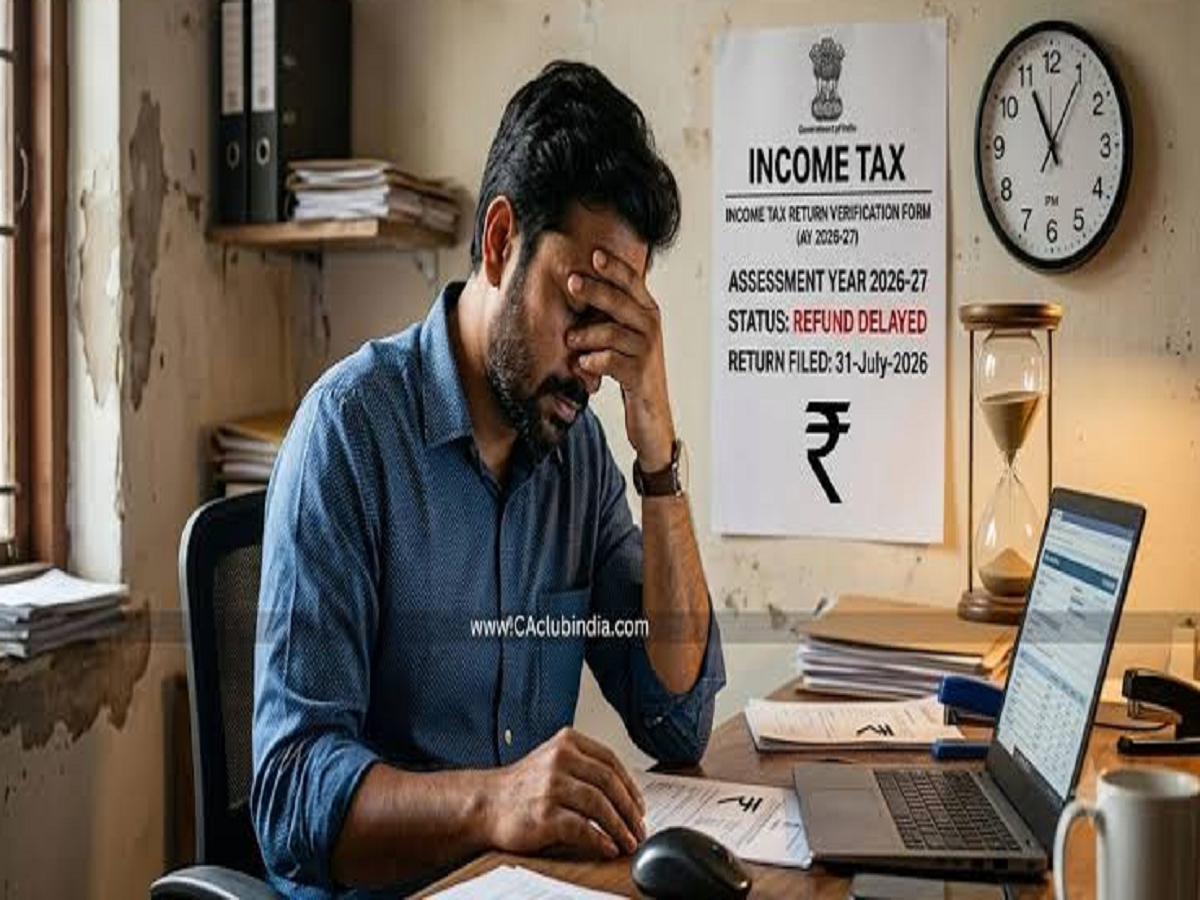
Filing an income tax return is an important responsibility for taxpayers, but submitting the form does not mean the refund will arrive immediately. Many taxpayers wait for their refund after filing their ITR and become concerned when the amount does not appear in their bank account.
A refund may take longer because of pending verification, incorrect bank details, discrepancies in tax information or additional checks by the Income Tax Department. Understanding these reasons can help taxpayers identify problems and take the appropriate steps.
1. Check Whether Your ITR Has Been Verified
One of the first things taxpayers should check is whether their income tax return has been successfully verified.
After filing an ITR, taxpayers generally need to complete verification within the prescribed period. This can be done electronically through the available methods on the Income Tax Department's portal or through an applicable physical verification procedure.
If your return has been filed but not verified, processing may not proceed as expected.
To check the status, visit the official portal at https://www.incometax.gov.in/, log in and open the relevant section for viewing filed returns.
2. Make Sure Your Bank Account Is Eligible for the Refund
Incorrect or incomplete bank details can create problems when the department attempts to issue a refund.
Check whether the bank account selected for receiving your refund is correctly entered, validated and nominated for refund purposes on the portal. Also verify that the account is active and that the account holder's details are accurate.
If you need to change the bank account associated with your refund, use the official portal and follow the prescribed validation procedure.
3. Check Your Refund Status Online
Taxpayers do not need to rely on guesswork to find out what is happening with their refund.
Log in to the Income Tax Department's e-filing portal and open the filed returns section to review the status of your return. Depending on the stage of processing, you may see whether the return is verified, processed or requires further action.
If the portal shows that the return has been processed, review the resulting intimation to understand whether a refund has been determined and whether any adjustment has been made.
4. Review Form 26AS and the Annual Information Statement
Differences between the income reported in your ITR and the information available to the Income Tax Department can lead to additional checks.
Form 26AS provides specified tax-related information, including tax deducted or collected at source. The Annual Information Statement (AIS) contains broader information about reported financial transactions and other tax-related details.
Compare these records with your income tax return, including salary income, interest income, tax deductions and other relevant items.
If you identify an error, determine whether a correction is required in the return or whether feedback should be submitted through the appropriate facility.
5. Look for Emails, Notices or Pending Actions
Sometimes taxpayers overlook a communication from the Income Tax Department that requires their attention.
Check your registered email address and the portal's pending actions, notices and worklist sections. If the department has requested a response or additional information, follow the instructions within the specified time.
Be cautious of fraudulent messages claiming that your refund will be cancelled unless you immediately click a link or share your banking details. Always verify communications by signing in to the official portal independently.
6. Understand Why Your Refund Amount May Be Different
The amount credited may not always match the refund originally calculated by the taxpayer.
After processing the return, the department may determine a different refund based on the information available, applicable tax provisions or permitted adjustments. In some cases, the final refund may be lower than expected, or no refund may be determined.
If you receive an intimation under Section 143(1), read it carefully and compare the department's calculation with your filed return.
If you disagree with the outcome, review the available correction, rectification or response options applicable to your case.
What Should You Do If Your Refund Is Still Pending?
If your return has been verified, your bank details are correct and the refund remains pending, check the latest status on the e-filing portal.
If the delay continues, use the official grievance facility or contact the department through its published support channels. Keep your acknowledgement number, filing date and relevant communication available when making an enquiry.
Avoid assuming that every delay indicates a problem. Processing time can vary depending on the return, verification requirements and any additional checks.
Important Reminder for Taxpayers
The best way to avoid unnecessary refund delays is to file an accurate return, verify it within the prescribed period, validate the correct bank account and respond promptly to official communications.
For reliable information about your refund, always use the Income Tax Department's official portal at https://www.incometax.gov.in/. Do not share your password, OTP or banking credentials with anyone claiming to accelerate your refund.
A quick review of these six areas can help you identify whether your refund is simply awaiting processing or whether further action is required.