INTERNATIONAL
Iran's currency is in trouble! It's now 0 against the dollar, but where does it stand against the Indian rupee?
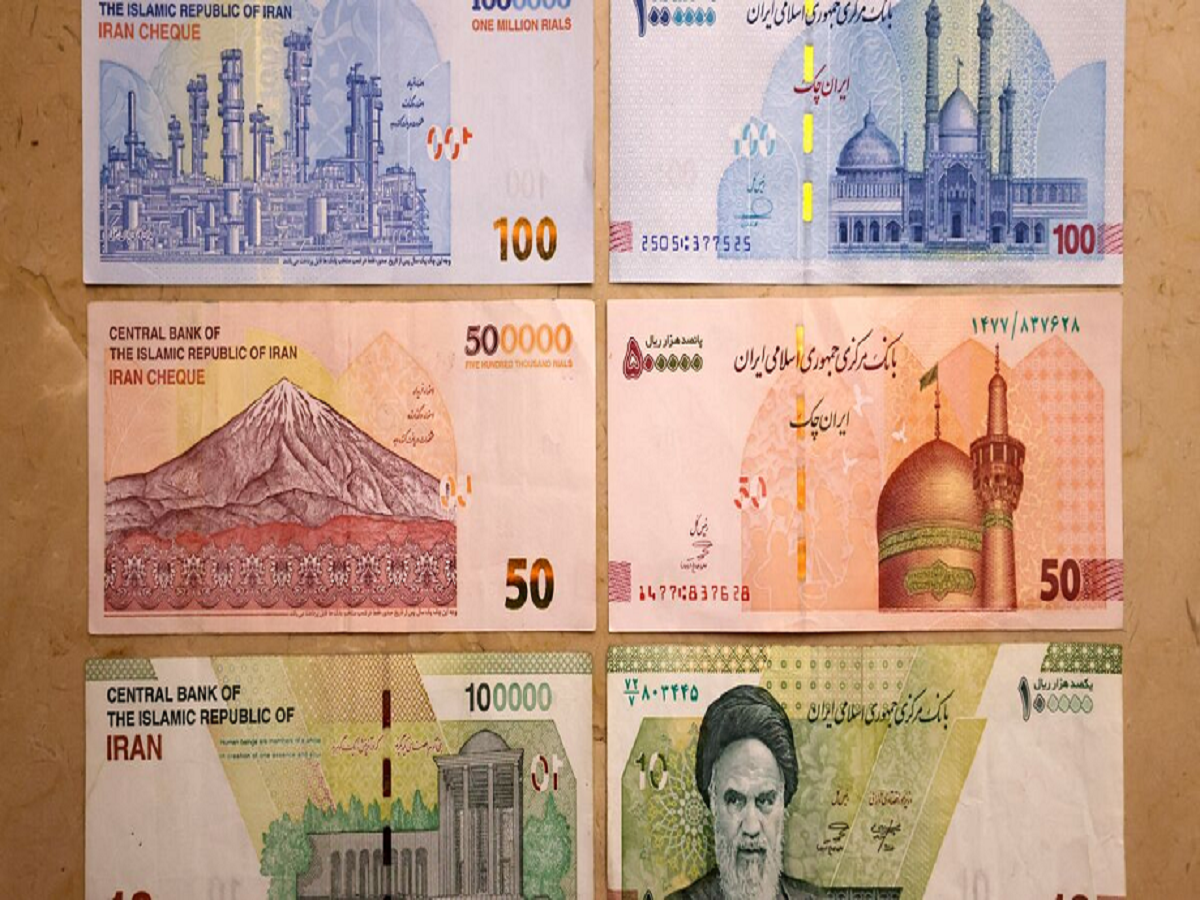
Iranian rial vs USD vs Indian Rupee: Protests against the Islamic regime in Iran have been ongoing for more than two weeks. Amid political instability, the country's economy is in deep crisis, and the rial has weakened significantly. The value of one dollar has reached approximately 1065,000 rials. The rial has also weakened significantly against the Indian rupee.
Iranian rial vs USD vs Indian Rupee: The ongoing protests against the Islamic regime in Iran have now lasted for more than two weeks. In many parts of the country, people are taking to the streets to demonstrate against the government of Iran's Supreme Leader, Ayatollah Ali Khamenei. Amid these protests, Iran's economy has fallen into serious crisis, and the value of the country's currency, the rial, has fallen sharply in the international market.
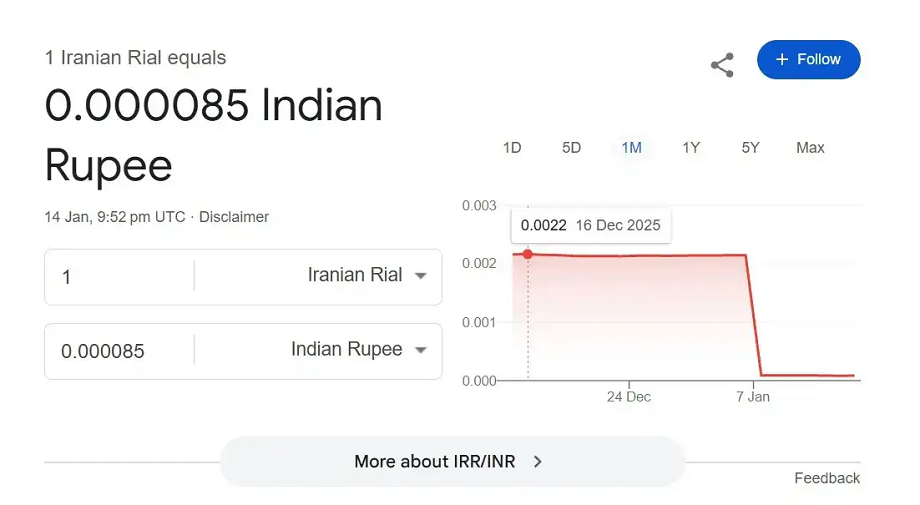
The current situation is that the value of the Iranian Rial against the dollar in the international market is considered to be almost zero. The value of one dollar has reached approximately 10,65,000 Iranian Rials, which shows the severe weakness of the Rial. If compared to the Indian currency, the value of one Iranian Rial has come down to only Rs 0.000085 in Indian Rupees. At the same time, one Indian Rupee is equal to approximately 11,797.83 Rials in Iran. These figures clearly show how deeply the political instability and economic crisis have affected Iran's currency.

Iran's currency crisis
Iran's currency, the rial, is once again under intense pressure. Over the past year, the rial has lost nearly half its value against the dollar. Inflation remains at crisis levels, reaching 42.5% in December 2025. This decline is not a result of a single week's panic, but rather the result of years of accumulating economic weaknesses, which are now being exacerbated by new political and policy pressures.
Could the Iranian currency fall to zero?
The simple answer is no. No currency will ever go to zero as long as the country exists and uses that currency. But to ordinary people, it may seem as if the currency has almost lost its value. When people say "the rial will go to zero," they usually mean one of three things.
- Loss of purchasing power: When inflation becomes so rapid that prices rise faster than salaries, the real value of money virtually disappears for the common man.
- Continuous addition of zeros in the exchange rate:- Like one dollar increases from 15 lakh riyals to 20 lakh or 30 lakh riyals.
- Redenomination: The government issues new currency by removing zeros from old notes. The prices appear lower on paper, but the underlying problem remains.
Iran is already working on a third option. In October 2025, parliament approved a plan to remove four zeros from the rial, requiring two years of preparation and three years of coexistence between the old and new notes.
What is the real value of the Rial at this time?
Iran operates multiple exchange rates, not just one. This is the root of the problem. The official rate is around 42,000 rials per dollar, while the open market rate is around 1,457,000 rials per dollar. This means there's a difference of about 35 times between the two. This difference in itself creates instability.
Why do multiple rates weaken the rial further?
- Speculation before policy change: When people believe the government is about to end subsidies or the cheap dollar system, they start making transactions assuming a weaker rate.
- Arbitrage and Brokerage:- Due to the huge difference between the official and market rates, middlemen get huge profits, due to which dollars go to wrong places.
- Lack of confidence: High rates indicate that the government does not have sufficient foreign exchange reserves. This strengthens expectations of devaluation.
The main factors that are putting pressure on the Rial
- Sanctions lead to dollar shortages: US sanctions have made oil exports and foreign payments difficult. This dollar shortage directly weakens the rial.
- Very high inflation: With inflation above 42%, people avoid holding cash. They buy dollars, gold, land, or goods.
- Weak economic growth: According to the World Bank, Iran's economy contracted by 1.7% in 2025 and is projected to shrink by a further 2.8% in 2026. The weak economy increases pressure on the government to print money.
- Policy changes lead to increased demand for the dollar: In December 2025, the government made it mandatory to purchase dollars from the open market even for essential imports, which led to a sudden increase in demand.
- Political instability: Protests in December 2025 and January 2026 increased the risk. When people perceive the future as uncertain, they tend to release their currency quickly.
The rial won't go to zero, but inflation, devaluation, and the process of removing the zero could make it feel virtually worthless to ordinary people. The real crisis isn't paper value, but people's purchasing power, and that's what's eroding the fastest in Iran today.
Photo : iStock