INTERNATIONAL
Islamabad High Court Ruling Highlights Conflict Between Sharia and Government Law Over Child Marriage
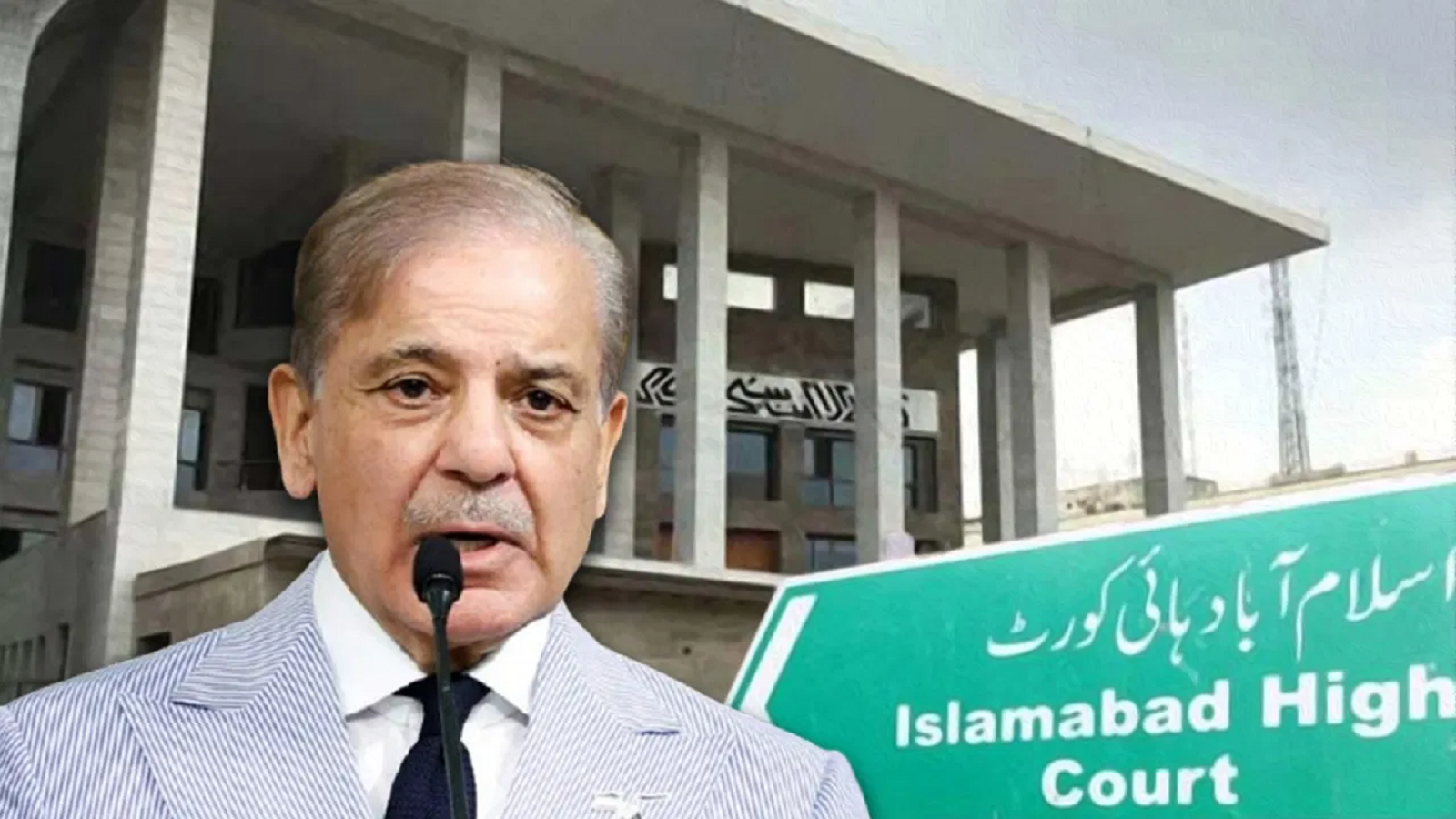
The Islamabad High Court has issued a landmark ruling that has sparked extensive debate in Pakistan over the legality and ethics of child marriage. The court allowed a 15-year-old girl, Madiha Bibi, to live with her husband, despite government laws prohibiting marriage under 18. This case highlights the ongoing conflict between Islamic Sharia principles and statutory law.
Madiha’s age is officially recorded as 15 by the National Database and Registration Authority (NADRA), whereas her marriage certificate suggests she is around 18. She herself expressed a strong desire to stay with her husband, even when placed in a crisis center, asserting her autonomy in making this choice.
Justice Mohammad Azam Khan’s detailed 24-page verdict acknowledged the legal and religious complexities: while Sharia law considers marriage valid if a girl reaches puberty and consents, the Islamabad Child Marriage Restraint Act 2025 criminalizes marriages below 18 years. The court urged harmonization of laws relating to marriage and minors, emphasizing stronger verification in issuing marriage certificates and public awareness campaigns on child marriage’s harms.
The judgment advises the government to enhance NADRA’s verification capabilities, launch awareness programs, and involve bodies like the Law and Justice Commission and the Council of Islamic Ideology in legal reforms. It underscored the need for clear statutory guidance to safeguard minors’ rights, protect them from early marriage consequences, and resolve contradictions between religious and civil laws.
Pakistan, where child marriage persists despite legal restrictions, continues to grapple with deep-seated cultural and religious challenges against such practices. This ruling marks a significant call for legislative clarity and balanced protection of children’s welfare in the country.