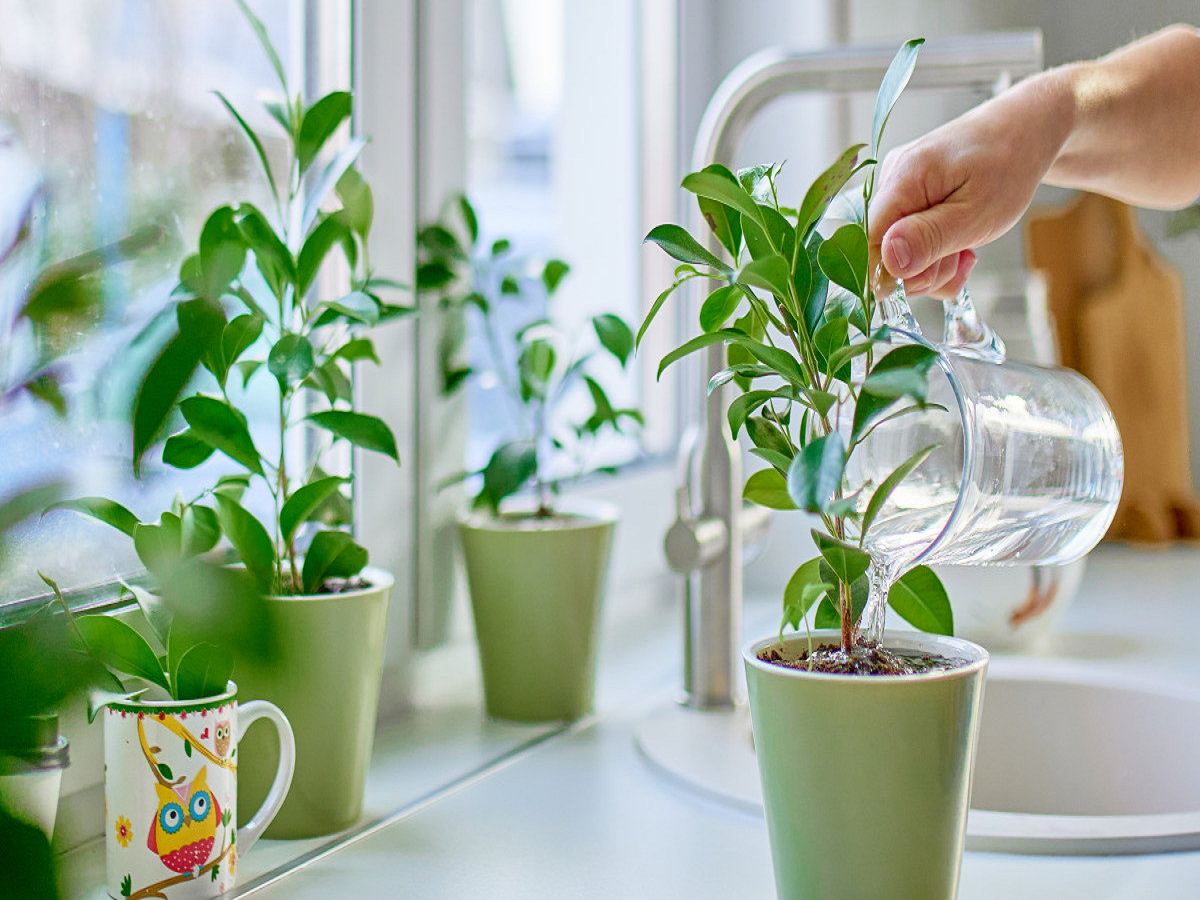
Indoor plants have become a popular addition to modern homes. From compact apartments to spacious houses, people love filling their living rooms, bedrooms, and workspaces with greenery. Beyond their decorative appeal, houseplants help create a calmer atmosphere and contribute to better indoor air quality.
However, many plant owners face a frustrating problem: despite regular care, their indoor plants dry out quickly, leaves turn yellow, or the plant slowly withers away. While people often blame the indoor environment, the real cause is usually a few simple but repeated care mistakes.
Understanding these mistakes—and correcting them early—can make the difference between a thriving plant and one that struggles to survive.
Overwatering: The Most Common Indoor Plant Killer
One of the biggest misconceptions about indoor plant care is the belief that plants need water every day. In reality, overwatering is one of the leading reasons houseplants fail. When plants are watered too frequently, the soil stays constantly wet, preventing roots from getting enough oxygen. This can lead to root rot, which weakens the plant and eventually causes it to die.
What works better:
Always check the soil before watering. Gently touch the top layer of soil—if it feels dry, watering is needed. If it still feels moist, wait another day or two. Each plant species has different water requirements, so learning what your plant needs is essential.
Incorrect Placement and Lighting Problems
Another major mistake is placing indoor plants in the wrong location. Not all plants thrive in the same lighting conditions. Some require bright, indirect light, while others need direct sunlight for several hours a day. Placing a plant in a dark corner or exposing it to harsh sunlight can cause stress.
Signs of poor lighting include yellowing leaves, slow growth, or leaf drop.
To avoid this, research your plant’s light preferences. Plants that prefer indirect light should be placed near windows with filtered sunlight, while sun-loving plants should be positioned where they receive adequate natural light without overheating.
Ignoring Proper Drainage
Decorative pots without drainage holes may look appealing, but they can harm your plants. Without proper drainage, excess water collects at the bottom of the pot, creating a damp environment that damages roots.
Always choose pots with drainage holes or use an inner pot that allows water to escape. Proper drainage ensures the roots remain healthy and prevents water from stagnating inside the soil.
Dusty Leaves Can Slow Plant Growth
Indoor plants naturally collect dust because they are kept inside enclosed spaces. Over time, dust builds up on leaves, blocking sunlight and limiting the plant’s ability to photosynthesize properly. Many people focus entirely on watering and forget this important aspect of care.
Cleaning the leaves regularly makes a noticeable difference. Use a soft, damp cloth to gently wipe the leaves once a week. This helps the plant absorb light more efficiently and improves overall growth.
Lack of Nutrients and Fertilizer
A common assumption is that indoor plants do not need fertilizer. While they require less feeding than outdoor plants, they still depend on nutrients to grow. Over time, the soil loses essential minerals, which can slow growth and weaken the plant.
Using a mild organic fertilizer once a month can restore nutrients and support healthy development. Avoid over-fertilizing, as too much can damage roots just as easily as too little.
Small Changes Make a Big Difference
Indoor plant care does not require complicated routines. Most problems occur due to small, repeated mistakes that go unnoticed. By adjusting watering habits, improving placement, ensuring proper drainage, cleaning leaves, and providing basic nutrition, plants can recover and flourish.
With the right care, indoor plants can stay green, healthy, and vibrant for years—adding life, beauty, and freshness to your home without constant struggle.