ENTERTAINMENT
Karan Tacker Speaks Out: Bollywood Still Hesitates to Cast TV Actors as Lead Stars, Says the Actor
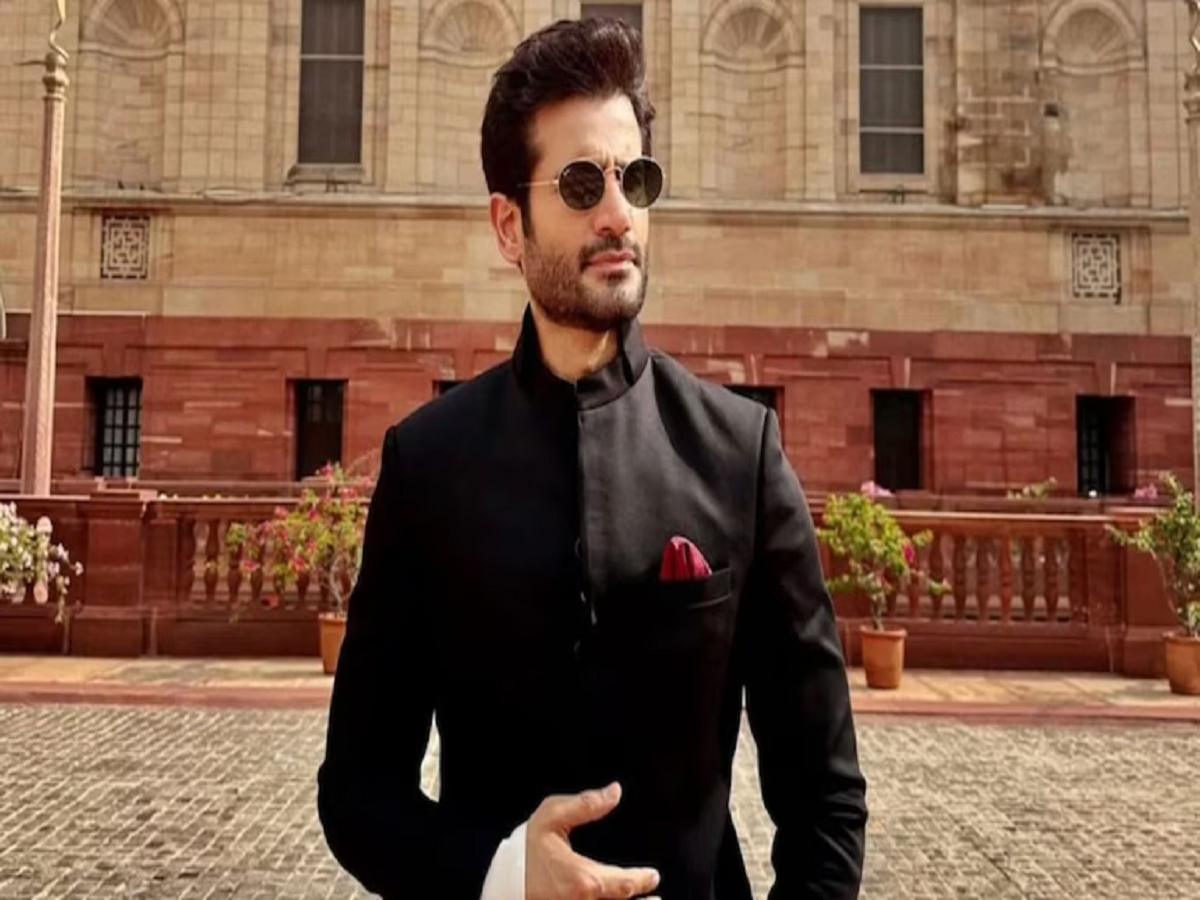
Popular actor Karan Tacker has openly addressed the long-standing bias within the Hindi film industry, claiming that actors who transition from television continue to face resistance when it comes to landing lead roles in Bollywood. In a candid conversation that has now gone viral on social media, the actor shed light on issues such as looks-based discrimination, typecasting, and the uneven opportunities offered to non-film-background performers.
Despite earning critical acclaim for his performance in the web series Khaki: The Bihar Chapter, Tacker believes that his journey from television still works against him in mainstream cinema. According to him, producers and platforms remain reluctant to trust TV actors with central roles, regardless of their acting credentials or audience connect.
“Looks Bias Is a Real Problem,” Says Karan Tacker
Speaking honestly about his experiences, Karan Tacker pointed out that “looks bias” continues to be one of the biggest hurdles in the industry. He explained that being labeled as “good-looking” or “hot” often becomes a disadvantage rather than an asset.
According to the actor, decision-makers tend to see him as suitable only for superficial or stylish roles, while complex and layered characters are reserved for a select few. “People don’t imagine me in intense or grey roles easily. My face itself becomes a limitation,” he remarked, highlighting how perception often outweighs performance in casting decisions.
From Television Fame to Limited Film Opportunities
Karan Tacker rose to popularity through hit television shows such as Love Ne Mila Di Jodi and Ek Hazaaron Mein Meri Behna Hai, where he built a massive fan following. However, he believes that success on television has not translated into equal respect or opportunity in films.
He also spoke about his cultural identity, describing himself as a “synthetic Punjabi.” While he belongs to a Punjabi background, he grew up in Mumbai, which often places him in a grey zone where he feels he doesn’t fully fit into predefined industry stereotypes.
Despite appearances in reality shows, OTT projects, and acclaimed series, Tacker admits that mainstream stardom has remained elusive.
Revisiting the Casting Couch Experience
During the discussion, the actor also revisited a painful chapter from his early career, recalling an uncomfortable casting couch incident from 2018. He shared that a director once made inappropriate demands in exchange for work, an experience that deeply affected him.
While he chose not to name the individual, Tacker said the incident made him more cautious and reinforced his belief in maintaining professional boundaries at all costs. “Honesty is the only acting method I follow,” he stated, adding that such experiences are far more common in the industry than people are willing to admit.
Hope Rests on Meaningful Cinema
Looking ahead, Karan Tacker expressed optimism about projects that prioritize content over image. He shared his excitement about working on Tanvi The Great, a project associated with veteran actor Anupam Kher, where he will be seen in a more serious and performance-driven role.
He emphasized that OTT platforms have played a crucial role in breaking stereotypes, even though bias still exists. According to him, shows like Khaki changed the way audiences perceive him and helped him rediscover his craft as an actor.
Call for Change at the Grassroots Level
Tacker strongly believes that real change must begin at the grassroots level. He pointed out that audiences are repeatedly exposed to the same handful of faces across films, OTT platforms, and brand endorsements, leaving little room for fresh talent.
He also urged the media to actively support emerging artists and help bring diversity into the spotlight. “If new faces don’t get visibility, how will the industry ever evolve?” he questioned.
A Voice for Many Struggling Artists
As fans continue to rally behind him online, Karan Tacker’s statements have resonated with thousands of aspiring actors facing similar challenges. He concluded by saying that today’s definition of stardom has shifted toward social media presence and brand visibility, but the real struggle lies in consistently choosing roles that are better than the last.
His honest remarks have turned into a powerful reflection of an industry still grappling with outdated perceptions — and a reminder that talent often has to fight harder than image to be truly seen.