SPORTS
Mohsin Naqvi Reacts Strongly to India’s ‘No Handshake’ Stand, Says Pakistan Will Respond in Equal Measure
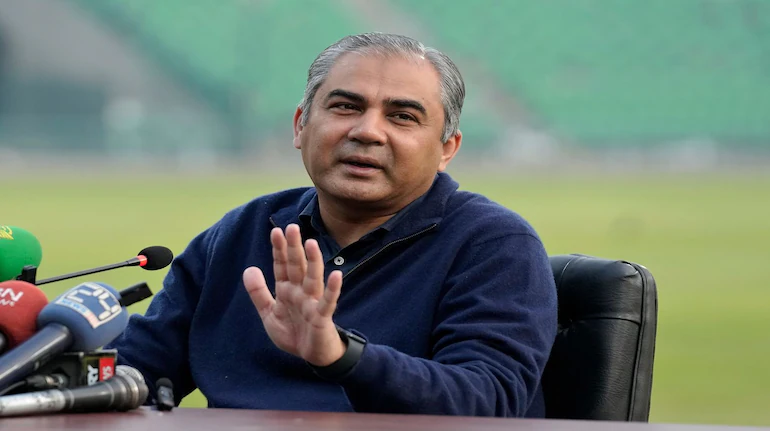
Tensions between India and Pakistan on the cricket field have once again come into focus, this time following comments by Pakistan Cricket Board (PCB) chairman Mohsin Naqvi. Reacting sharply to India’s continued “no handshake” stance during matches against Pakistan, Naqvi made it clear that Pakistan’s teams will not compromise on self-respect and will respond in the same manner if similar behavior continues from the Indian side.
Mohsin Naqvi’s remarks came shortly after the Under-19 Asia Cup final, a high-voltage encounter in which Pakistan defeated India. The match, like several India–Pakistan clashes in recent months, was marked by tension, on-field confrontations, and an absence of post-match handshakes between players of the two teams. This issue has now escalated into a broader discussion about sportsmanship, dignity, and how teams conduct themselves on the international stage.
Background of the ‘No Handshake’ Controversy
The controversy surrounding the handshake began earlier during a senior-level Asia Cup tournament held in September–October, when members of the Indian team chose not to shake hands with Pakistani players. The same approach was reportedly followed again during the Under-19 Asia Cup, where Indian players avoided any physical post-match interaction with their Pakistani counterparts.
While the Indian side has not officially detailed its reasons, the repeated absence of handshakes has clearly not gone unnoticed across the border. For Pakistan, this has been viewed as a deliberate and symbolic gesture, prompting a firm response from the PCB chief.
Mohsin Naqvi’s Firm Stand
Addressing the issue at a press conference in Lahore, Mohsin Naqvi stated that Pakistan’s teams will enter the field with dignity and self-respect, regardless of the opponent. However, he emphasized that respect must be mutual.
Naqvi said that if India chooses not to shake hands or follows any other form of restrictive conduct, Pakistan will not feel obligated to act differently. According to him, any behavior shown by the opposing team will be met with an equal response. He stressed that Pakistan would not accept a situation where one side sets the tone and the other is expected to remain silent or submissive.
Naqvi, who also serves as Pakistan’s Interior Minister, reiterated that he personally believes cricket and politics should remain separate. He revealed that Pakistan’s Prime Minister, Shehbaz Sharif, has advised him on more than one occasion to keep political considerations out of sporting matters. Despite this, Naqvi underlined that maintaining national self-respect on the field is non-negotiable.
Tense Scenes During the Under-19 Asia Cup Final
The Under-19 Asia Cup final itself reflected the strained atmosphere between the two sides. The match reportedly saw frequent verbal exchanges, aggressive sledging, and heated moments that required intervention. At least a few players were sent off the field temporarily as emotions ran high.
These incidents only added fuel to the ongoing debate about conduct during India–Pakistan matches. According to Naqvi, former Pakistan captain Sarfaraz Ahmed also shared details about what transpired on the field, reinforcing the PCB chairman’s belief that Pakistan must take a firm and balanced stance going forward.
“Equal Treatment, No Compromise”
Naqvi made it clear that Pakistan is not seeking confrontation but will not tolerate one-sided gestures either. If the Indian team decides against customary sportsmanship practices such as handshakes, Pakistan will mirror that approach without hesitation.
He stated unequivocally that there can be no double standards, where one team imposes its own code of conduct while expecting the other to comply silently. Pakistan’s approach, he said, will remain consistent in future encounters as well, with no compromise on matters of dignity.
A Growing Rivalry Beyond the Scoreboard
India–Pakistan cricket has always been emotionally charged, but recent developments suggest that tensions are extending beyond runs and wickets. Gestures like post-match handshakes, traditionally seen as symbols of mutual respect, are now being scrutinized and politicized, adding another layer to an already intense rivalry.
Mohsin Naqvi’s comments signal that the PCB is prepared for a firm, reciprocal approach in future encounters. Whether this leads to further strain or eventually prompts dialogue on maintaining sporting decorum remains to be seen. What is clear, however, is that the handshake issue has become a symbolic flashpoint in one of cricket’s most closely watched rivalries.
Disclaimer: This article is based on publicly available statements and reports. Interpretations of intent and policy may evolve with official clarifications from the concerned boards.