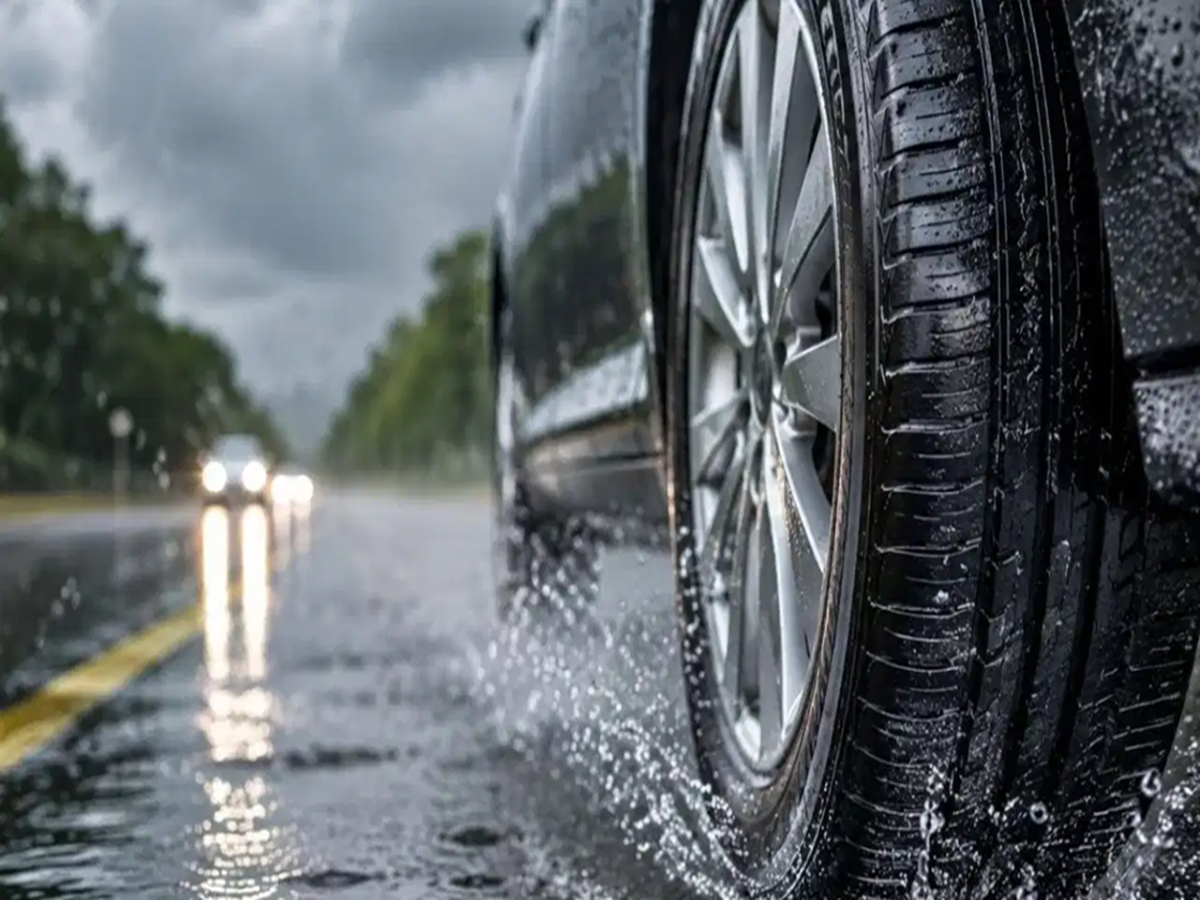
Driving during the monsoon requires extra caution, as wet roads reduce tyre grip and increase the chances of skidding. While most drivers remember to check their wipers, brakes, and lights before heading out, tyre pressure is often overlooked. Maintaining the correct tyre pressure is one of the simplest ways to improve safety and vehicle performance during rainy weather.
What Is the Correct Tyre Pressure in the Rainy Season?
The ideal tyre pressure during the monsoon is the same pressure recommended by your car's manufacturer. There is no need to increase or decrease tyre pressure just because it's raining.
You can find the recommended tyre pressure:
- On the sticker inside the driver's side door.
- In your vehicle's owner's manual.
Always check tyre pressure when the tyres are cold for the most accurate reading.
Why Overinflated Tyres Can Be Risky
Filling your tyres with more air than recommended reduces the portion of the tyre that stays in contact with the road.
This can lead to:
- Reduced grip on wet roads.
- Longer braking distances.
- Higher chances of skidding during sudden turns or emergency braking.
- Uneven tyre wear.
Maintaining the recommended pressure ensures better stability and handling in rainy conditions.
Is Lower Tyre Pressure Better in the Rain?
Many people believe that slightly deflating tyres improves grip on wet roads, but this is a common misconception.
Underinflated tyres can cause:
- Faster tyre wear.
- Poor fuel efficiency.
- Excessive heat buildup during long drives.
- Increased risk of tyre damage or even a blowout.
Using the manufacturer's recommended tyre pressure remains the safest option.
Don't Ignore Tyre Condition
Tyre pressure alone isn't enough. The condition of the tyres plays an equally important role during the monsoon.
Before driving, inspect your tyres for:
- Adequate tread depth.
- Cracks or cuts on the sidewalls.
- Uneven wear.
- Bulges or visible damage.
Worn-out tyres struggle to disperse water effectively, increasing the risk of aquaplaning and reducing control on wet roads.
Monsoon Tyre Safety Tips
Follow these simple tips to stay safe during the rainy season:
- Check tyre pressure at least once every month.
- Inspect tyre tread regularly and replace excessively worn tyres.
- Check both pressure and tyre condition before long journeys.
- Avoid sudden acceleration, harsh braking, and sharp turns on wet roads.
- Ensure your spare tyre is also properly inflated and in good condition.
The Bottom Line
The safest tyre pressure during the rainy season is the pressure specified by your vehicle manufacturer. Avoid overinflating or underinflating your tyres based on myths. Combined with healthy tyre tread and regular maintenance, the correct tyre pressure improves grip, braking performance, fuel efficiency, and overall driving safety during the monsoon.