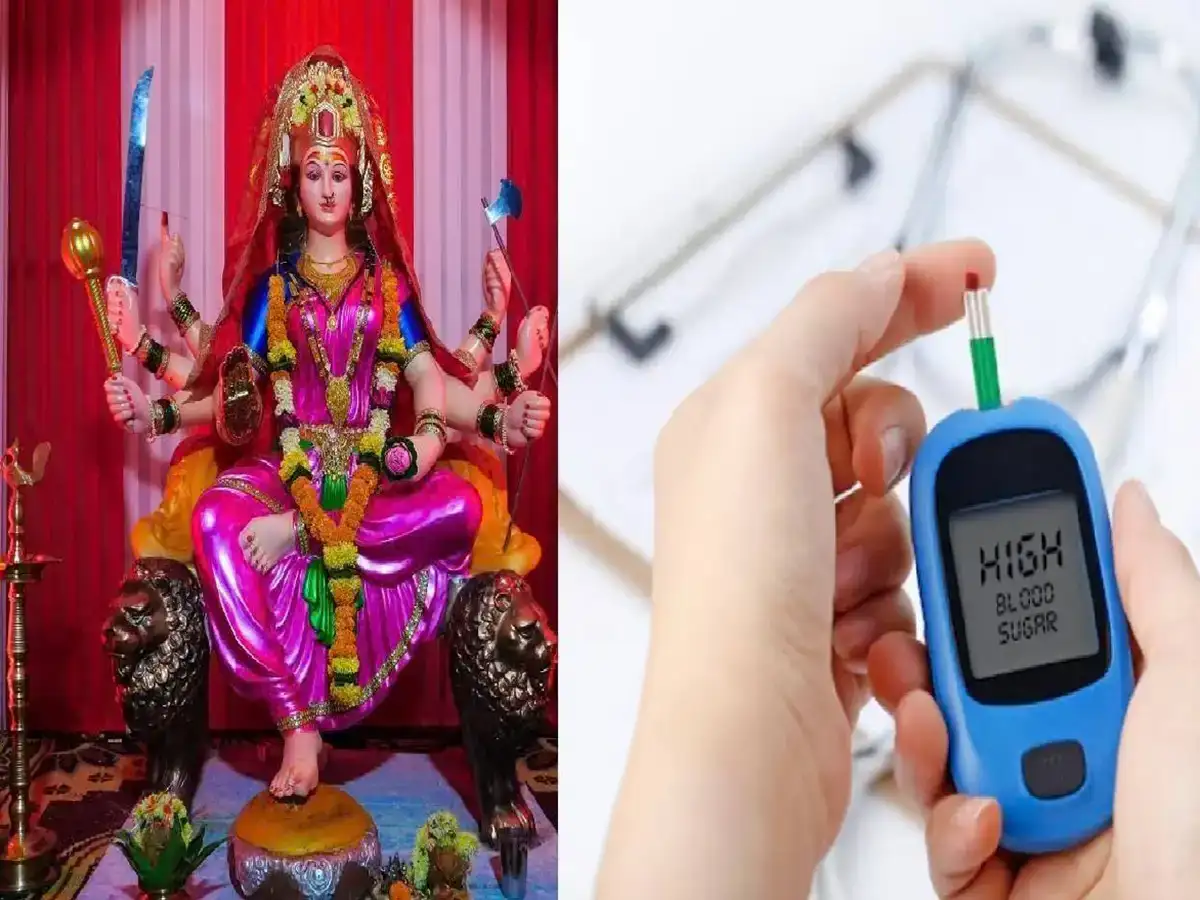
Shardiya Navratri is a time when many people observe fasts and follow special dietary practices. During this period, regular grains are often replaced with fasting-friendly foods such as buckwheat flour, potatoes, sabudana, fruits and dairy products. However, people living with diabetes need to be especially careful about their food choices.
Many popular fasting dishes are rich in carbohydrates, and consuming large portions can raise blood sugar levels. At the same time, skipping meals or fasting for prolonged periods may cause blood sugar to drop dangerously low, particularly among people taking insulin or certain diabetes medicines.
According to dietary experts, people with diabetes should assess their health before fasting and focus on balanced meals, appropriate portions and regular blood sugar monitoring.
What Should People With Diabetes Eat During Navratri?
Dr. Ramya Subburaj, Senior Clinical Dietitian and Head of the Department of Dietetics at Apollo Specialty Hospitals, Vanagaram, Chennai, has highlighted the importance of paying attention to food choices and medication during fasting.
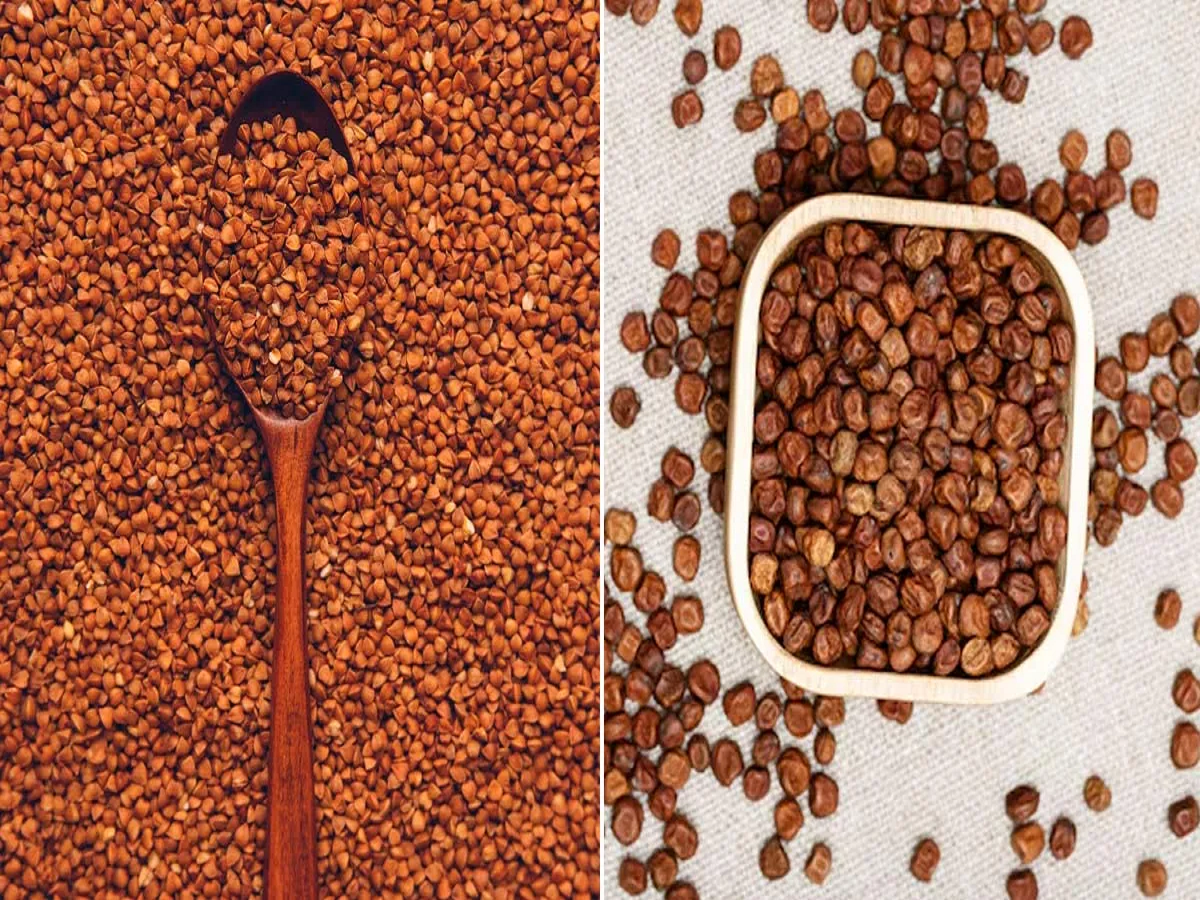
Buckwheat flour, commonly known as kuttu atta, can be included in a fasting diet in moderate quantities. However, deep-fried puris and pakoras may add considerable calories and fat to the meal.
A better option may be buckwheat rotis or cheelas prepared using less oil. Pairing them with plain curd, paneer or vegetables permitted during fasting can help create a more balanced meal.
Sabudana is another popular fasting ingredient, but it consists mainly of starch and can raise blood glucose levels. People with diabetes should limit their portions and consider combining sabudana khichdi with suitable vegetables and a protein source such as plain curd or paneer.
Nuts, including almonds and walnuts, can also be included in moderate portions. They provide healthy fats, some protein and fibre, although portion control remains important because they are calorie-dense.
Which Fruits Are Suitable for Diabetics During Fasting?
Fruits can provide vitamins, minerals and fibre during Navratri. However, people with diabetes should pay attention to portion sizes and their individual blood sugar response.
Whole fruits are generally preferable to fruit juices because they retain their fibre and are usually more filling.
Some options to consider include:
-
Guava: Provides fibre and vitamin C.
-
Apple: Contains fibre and can be a convenient snack.
-
Pear: Supplies fibre and natural carbohydrates.
-
Orange: Provides vitamin C and fibre when eaten whole.
Bananas, mangoes, grapes and sapodilla (chikoo) do not necessarily need to be completely avoided, but their portions should be considered as part of the overall carbohydrate intake.
People with diabetes should also avoid assuming that homemade drinks or fruit-based preparations are automatically sugar-friendly. Added sugar, honey and large quantities of fruit can all affect blood glucose levels.
Foods and Drinks to Limit During Navratri
Some traditional fasting foods can make blood sugar management more difficult when eaten frequently or in large quantities.
Deep-fried snacks: Buckwheat puris, pakoras and other fried foods can add substantial calories and fat.
Large portions of sabudana: Its high starch content can lead to a rise in blood glucose.
Sweets and desserts: Sugar-rich mithai, kheer and other desserts can increase carbohydrate intake considerably.
Sweetened beverages: Sugary tea, sweet lassi and packaged fruit juices can contribute to rapid blood sugar increases.
Rather than eliminating every traditional fasting dish, people with diabetes should focus on portion sizes, preparation methods and the nutritional balance of their meals.
Why Prolonged Fasting Can Be Risky for Diabetics
Going without food for extended periods can cause hypoglycaemia, or low blood sugar, especially in people taking insulin or medicines that increase insulin release.
On the other hand, eating large amounts of carbohydrate-rich fasting foods can lead to hyperglycaemia, or high blood sugar.
Symptoms of low blood sugar may include sweating, trembling, dizziness, confusion and unusual weakness. Severe hypoglycaemia can be a medical emergency.
Anyone experiencing these symptoms should check their blood glucose if possible and follow their prescribed hypoglycaemia treatment plan. Treating low blood sugar takes priority over continuing a fast.
People with poorly controlled diabetes, a history of severe hypoglycaemia, or diabetes-related complications should speak with their healthcare professional before deciding whether to fast.
Should You Change Your Diabetes Medication During Navratri?
People taking insulin or other diabetes medicines should never stop, skip or adjust their medication independently because they are fasting.
A doctor may recommend changes to medication timing or dosage depending on the person's treatment, fasting schedule and blood glucose readings. These decisions should be made before the fast begins.
It is also important to monitor blood sugar at the frequency recommended by the healthcare team. People using continuous glucose monitoring devices should pay attention to alerts and follow their prescribed action plan.
Drinking enough water is important when fluids are permitted. Anyone who becomes unwell during fasting should seek medical advice rather than attempting to continue at all costs.
Essential Tips for a Safer Navratri Fast
People with diabetes who are considering fasting should keep the following precautions in mind:
-
Eat balanced meals with controlled portions of carbohydrates.
-
Include suitable protein sources such as curd, paneer and nuts.
-
Prefer whole fruits over fruit juices.
-
Avoid long periods without food unless a healthcare professional has confirmed that the fasting plan is appropriate.
-
Monitor blood glucose and recognise the symptoms of low and high blood sugar.
-
Discuss medication, hydration and meal timing with a doctor before fasting.
The Final Word
Observing a Navratri fast while living with diabetes requires careful planning. Foods such as buckwheat, sabudana, potatoes and fruits may be part of a fasting diet, but their carbohydrate content and portion sizes matter.
There is no single fasting plan that is suitable for everyone with diabetes. Your medication, glucose control, medical history and usual eating pattern all influence whether fasting is appropriate.
Before beginning your fast, consult your doctor or registered dietitian to develop a plan that respects your religious practices while prioritising your health and safety.