The central government has introduced a new incentive scheme aimed at increasing the number of active domestic piped natural gas (PNG) connections across India. The initiative, effective from September 1, 2026, is designed to encourage faster expansion of PNG networks and help more households shift to piped cooking gas.
The scheme is particularly relevant for families living in cities and towns where PNG infrastructure is already available or is being expanded.
What Is the New PNG Scheme?
The government has approved the Incentive Scheme for Promotion of Domestic PNG Connections to encourage City Gas Distribution (CGD) companies to increase household PNG connections.
India currently has around 1.74 crore domestic PNG connections. Under the new initiative, CGD companies will receive incentives for converting unbilled connections into active gas connections and expanding PNG connectivity to new areas.
The broader objective is to make piped natural gas more accessible as a clean and convenient cooking-fuel option.
How Can This Benefit Households?
For consumers, the biggest potential benefit is easier access to PNG connections in areas where the pipeline network is being developed.
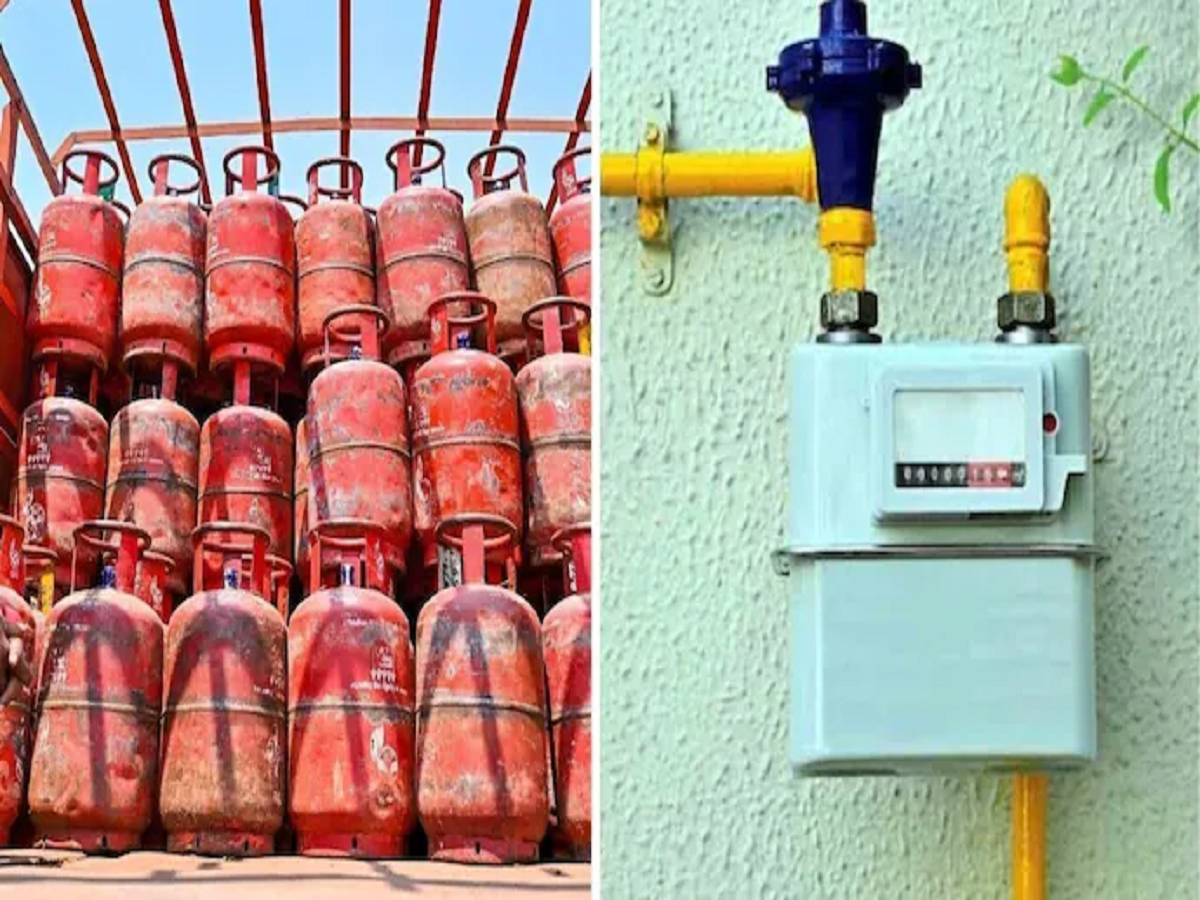
Unlike LPG cylinders, PNG is supplied continuously through a pipeline. This means households do not have to book, transport or store cylinders for regular cooking needs.
The government says the new scheme is intended to accelerate PNG expansion and make the transition to clean cooking fuel easier for households.
What Is the Government Doing to Expand PNG?
The new incentive is part of a wider effort to increase domestic PNG usage.
Several measures are being implemented, including:
-
Faster regulatory approvals for PNG infrastructure
-
Standardised Right-of-Way charges
-
Encouragement to states to reduce VAT on natural gas
-
A nationwide National PNG Drive 2.0
-
Development of a unified digital portal for PNG registration
The government is also encouraging the conversion of LPG-using housing societies to PNG where the necessary infrastructure is available.
Will PNG Become Cheaper?
The new scheme is primarily an incentive for gas distribution companies rather than a direct cash subsidy for households.
However, the government expects the incentives to reduce the cost burden associated with developing domestic PNG connections. According to the government's explanation, the financial benefit for participating gas distribution companies could reduce the estimated payback period for domestic PNG connection investments from around 10 years to approximately three years.
Whether consumers see lower household gas bills will depend on local gas prices, taxes, tariffs and the policies of the relevant gas distribution company.
What Should Consumers Do?
If PNG pipelines are available in your area, you can check whether your local City Gas Distribution company is accepting applications for a domestic PNG connection.
Before applying, consumers should check:
-
Whether PNG infrastructure has reached their locality.
-
The connection and installation charges.
-
Applicable security deposits or other fees.
-
Current PNG gas rates and taxes.
-
The documents required for registration.
-
Whether the connection is available for individual houses or housing societies.
The government is also working on a unified PNG registration portal, which is intended to make applying for and tracking new connections easier once operational.
PNG vs LPG: What Is the Difference?
PNG and LPG are both commonly used for cooking, but their supply systems are different.
PNG: Gas reaches the kitchen through a pipeline and is supplied continuously.
LPG: Gas is stored in cylinders that need to be booked and replaced after the cylinder is empty.
For households with reliable pipeline access, PNG can offer greater convenience because there is no need to repeatedly arrange cylinder deliveries.
However, households should compare the overall cost, connection charges and local tariffs before switching.
Why This Scheme Is Important
The government is trying to expand the use of natural gas in households while strengthening India's broader gas distribution infrastructure.
For consumers, the immediate importance of the scheme is that more localities could get access to domestic PNG connections as distribution companies receive stronger incentives to expand their networks.
With the scheme effective from September 2026, households in areas where PNG infrastructure is being developed should watch for registration drives and announcements from their local gas distributor.
Key Takeaway
The new domestic PNG incentive scheme does not mean that every household will automatically receive a free gas connection. Instead, it provides incentives to gas distribution companies to expand PNG networks and activate more household connections.
If PNG infrastructure is available in your area, this could make it easier to obtain a connection in the coming months. Consumers should check their local distributor for availability, charges and application procedures before making the switch.