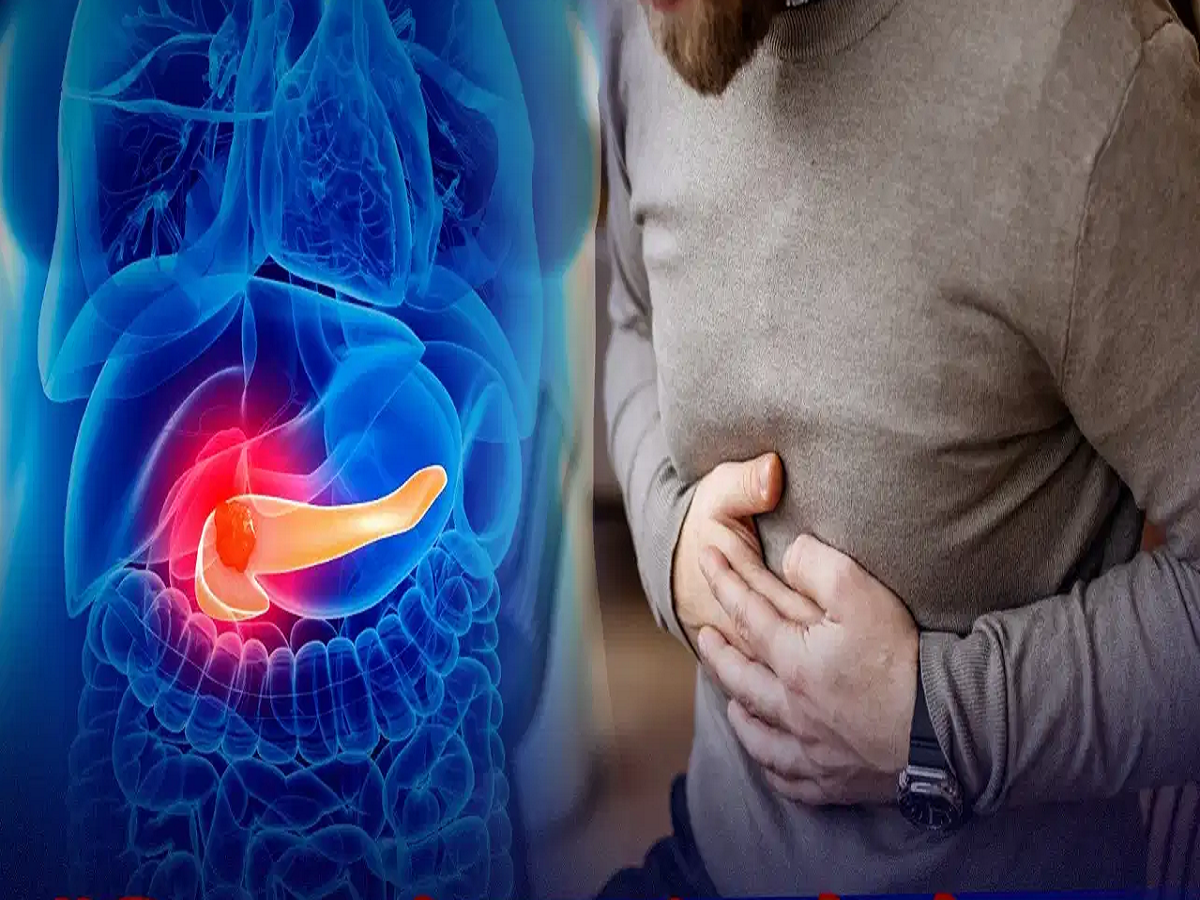
The pancreas may be hidden deep inside the abdomen, behind the stomach, but it performs some of the body's most important functions. From helping digest food to regulating blood sugar, this relatively small organ has a major role in keeping the body healthy.
Pancreatic diseases can sometimes go unnoticed because their early symptoms may be mild or similar to common digestive problems. In some cases, however, symptoms such as persistent abdominal pain, unexplained weight loss or jaundice may indicate that something is wrong and should be evaluated by a doctor.
So, how exactly does the pancreas work, what happens when it becomes unhealthy, and what increases the risk of pancreatic cancer? Let's understand it with the help of expert advice.
Why Is the Pancreas So Important?
According to Dr. Kapil Kumar Kursiwal, Senior Advisor in Gastrointestinal Surgery and Oncology at Dharamshila Narayana Superspeciality Hospital, the pancreas performs two major jobs in the body.
First, it produces digestive enzymes that help break down food. Second, it produces hormones that help regulate blood sugar levels.
The pancreas works closely with the liver and gallbladder. Pancreatic juices and bile eventually enter the small intestine, where they assist with digestion. Because these organs and their ducts are interconnected, a problem affecting one can sometimes have an impact on the others.
What Happens When the Pancreas Isn't Healthy?
The symptoms of pancreatic problems can vary depending on the underlying condition. Some common warning signs include:
- Pain in the upper abdomen, sometimes spreading to the back
- Indigestion
- Nausea or vomiting
- Reduced appetite
- Unexplained weight loss
- Yellowing of the skin or eyes
- Dark-coloured urine
- Pale or light-coloured stools
However, experiencing these symptoms does not automatically mean that a person has pancreatic cancer. Similar symptoms can occur because of several other digestive and liver-related conditions.
What Is Pancreatitis?
Inflammation of the pancreas is known as pancreatitis. It can occur suddenly, known as acute pancreatitis, or continue over a longer period as chronic pancreatitis.
Long-term inflammation can damage the pancreas and may be associated with an increased risk of pancreatic cancer. Therefore, recurring abdominal pain, persistent digestive problems or unexplained weight loss should not simply be dismissed as gas or ordinary indigestion.
How Does Pancreatic Cancer Develop?
Pancreatic cancer occurs when abnormal changes in pancreatic cells cause them to grow and divide uncontrollably.
Most pancreatic cancers develop from the pancreas' exocrine cells, with pancreatic adenocarcinoma being the most common type.
Several factors can increase the risk of developing the disease. These include:
- Smoking
- Being overweight or obese
- Chronic pancreatitis
- A history of diabetes
- A family history of pancreatic cancer
- Certain inherited genetic conditions
Having one or more of these risk factors does not mean that someone will definitely develop cancer, but they can increase the likelihood.
Why Is Pancreatic Cancer Often Difficult to Detect Early?
One of the biggest challenges with pancreatic cancer is that it may not produce clear symptoms in its early stages. Some people may experience little or no noticeable discomfort initially.
As the disease progresses, symptoms may become more apparent. These can include unexplained weight loss, loss of appetite, abdominal or back pain and jaundice.
In some cases, new-onset diabetes or diabetes that suddenly becomes difficult to control may also be associated with pancreatic problems. However, diabetes by itself is not evidence of pancreatic cancer.
Don't Ignore These Warning Signs
Seek medical advice if you experience persistent or unexplained symptoms such as:
Unexplained weight loss: Losing weight without changing your diet or exercise routine should be evaluated.
Persistent abdominal or back pain: Especially when the pain repeatedly occurs or doesn't improve.
Jaundice: Yellowing of the skin or eyes, particularly when accompanied by dark urine or pale stools.
Long-term digestive problems: Persistent indigestion, nausea or changes in digestion should not be ignored.
Unexplained blood sugar changes: Sudden changes in blood sugar or difficulty controlling previously stable diabetes may require medical evaluation.
When Should You See a Doctor?
If abdominal pain, digestive problems, unexplained weight loss or jaundice persist, it is important to consult a doctor rather than assuming the symptoms are caused by acidity or indigestion.
Depending on the symptoms and medical history, a doctor may recommend blood tests and imaging examinations such as a CT scan or MRI. In certain cases, a biopsy may be required to determine whether abnormal cells are cancerous.
The key takeaway is that pancreatic problems should not be ignored, particularly when symptoms are persistent or unusual. Early medical evaluation can help identify the underlying cause and ensure appropriate treatment when necessary.