BUSINESS
PF Withdrawal Rule: EPFO 3.0 has made PF withdrawal easier, but frequent withdrawals before retirement will cause losses
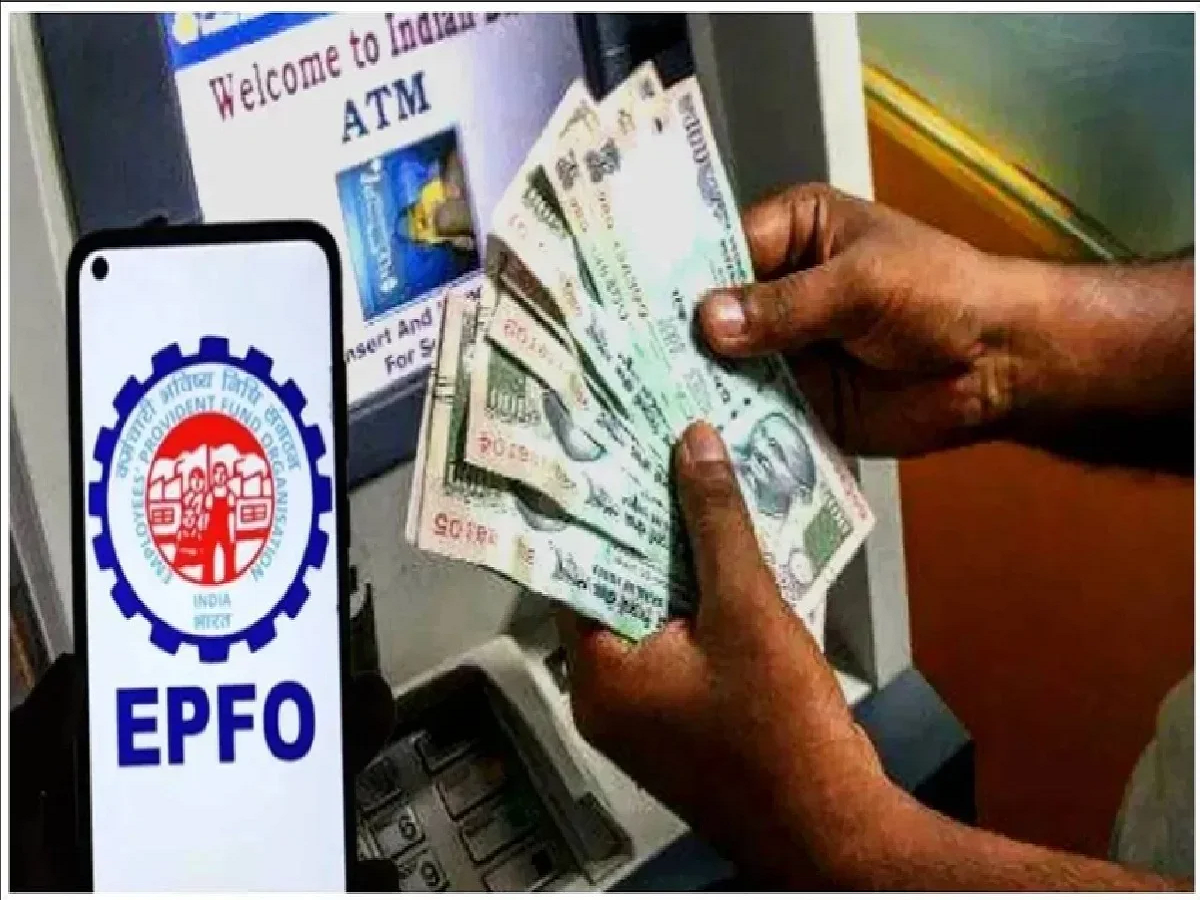
EPFO 3.0 could be a major and important update for millions of working employees. Because every employee contributes a portion of their salary as PF, this will provide financial assistance after retirement. The Employee Provident Fund Organization (EPFO) is preparing to digitally transform its services. This will reduce the hassle of withdrawing PF. You won't have to visit banks repeatedly. But when should you withdraw this deposited amount? It's wise to think about this now.
PF withdrawal rules
According to some published reports, eligible members can easily withdraw up to 75% of their PF account balance using ATMs. While this facility is a relief for employees, financial experts advise caution, as a PF account is not just a savings account but a vital foundation for financial security after retirement.
Many employees assume that all of their salary and employer contributions go into their PF account. However, this is not true. A portion of their employer's salary is deposited into the Employee Pension Scheme (EPS). Therefore, PF and pension are two different things.
According to experts, the biggest disadvantage of frequent withdrawals from PF is compound interest. Withdrawals may not earn interest for many years. This can reduce the amount available at retirement. This impacts those who withdraw early in their careers.
Although EPFO 3.0 will simplify the withdrawal process, it doesn't mean you should use your PF funds when you don't need them. While PF funds can be used when needed, using them for extra expenses or purchases could lead to financial difficulties in the future.
PC:Rajsthan Khabre