TECH
Phishing Scam Alert: Passwords and banking details can be stolen through a fake link, this is how to identify online fraud
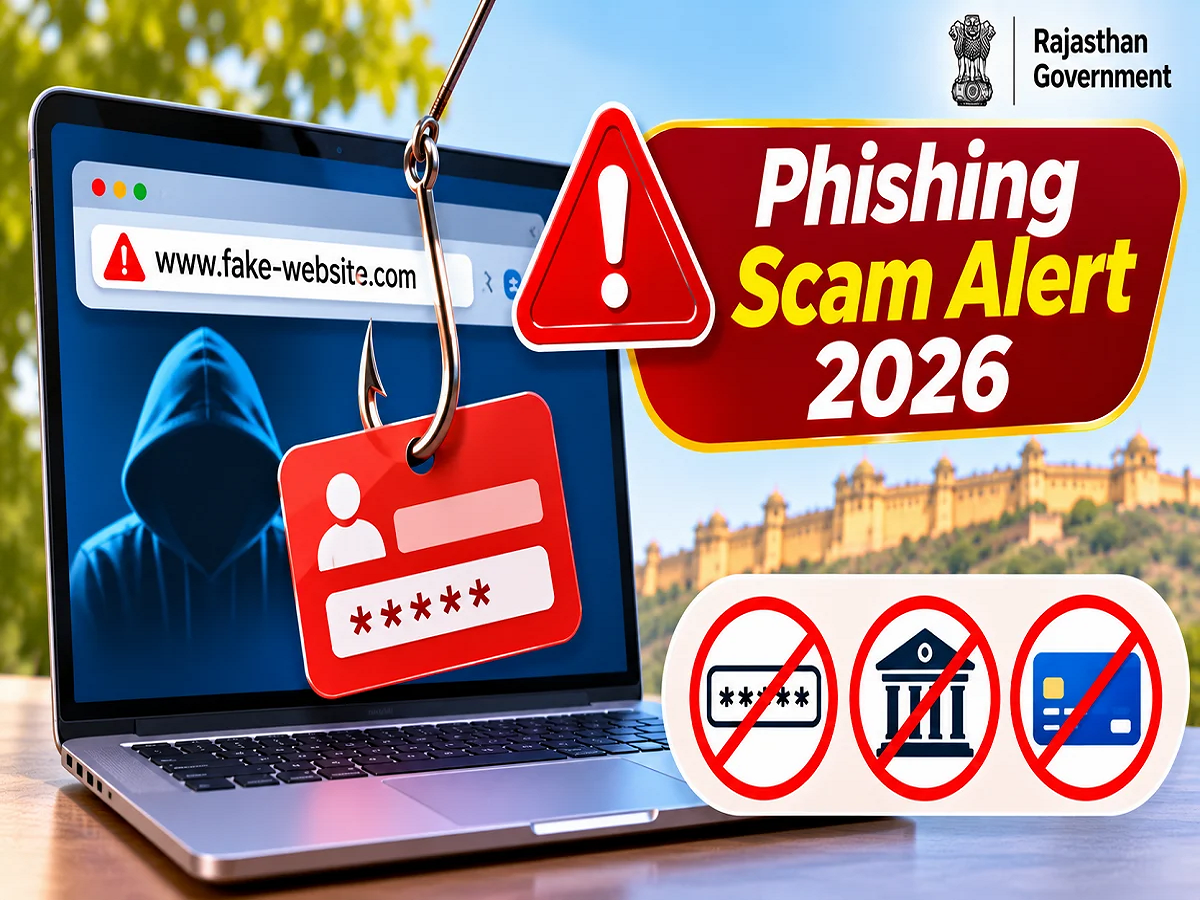
Phishing Fraud Alert 2026: An important cyber-security warning has been issued for people using the internet and digital banking. Cyber-criminals are trying to steal people's personal information, banking details, and passwords through fake websites and suspicious links. These links are often sent in the name of a bank, government department, online shopping company, or a trusted entity. The Department of Information Technology and Communications (DOITC) of the Rajasthan government has advised citizens to be wary of such phishing links. The department has clarified that one should avoid clicking on any suspicious links and must check the authenticity of the website before sharing personal information.
What is a phishing scam and how does it work?
Phishing is a type of cyber fraud in which criminals try to mislead people by impersonating a trusted entity and tricking them into visiting fake websites or digital platforms.
These websites are often designed to resemble real banks, government portals, or popular online services.
When a person enters their username, password, banking information or other sensitive details on such a website, this information can be accessed by cyber-criminals.
Fraudsters can then use the stolen information to gain unauthorized access to accounts or commit financial fraud.
Under what pretext do cyber-criminals send fake links?
Phishing attacks try to force people into making hasty decisions.
1. Bank KYC update message
Scammers may claim that your bank account will be closed if you don't update your KYC and may send a link to a fake website.
2. Electricity bill outstanding alert
Suspicious links may be sent to demand immediate payment by threatening to disconnect electricity connection.
3. Online Shopping Refunds
Banking information may be sought by luring them with the promise of order cancellation or refund.
4. Benefits of government schemes
You may be asked to fill in personal details on fake portals in the name of receiving subsidy, pension or government assistance amount.
5. Problems with parcel delivery
By sending a message in the name of the courier company, one can be taken to a fake website on the pretext of updating the address or paying a nominal fee.
How to identify a fake website?
It is very important to check the internet address i.e. URL of any website before entering sensitive information on it.
Cybercriminals often use domain names that are similar to the real website. These may include extra letters, misspellings, or unfamiliar domain extensions.
The mere presence of a company logo or attractive design on a website is not proof of its authenticity.
Furthermore, simply seeing HTTPS or a lock icon in your browser doesn't guarantee a website is trustworthy. Secure connections can also be used on fake websites.
Therefore, it is a safer option to enter the official website address yourself or use the verified app of the respective institution for banking or government services.
Follow these 7 important steps to avoid phishing links
1. Do not click on unknown links: Stay away from suspicious links received through SMS, WhatsApp, email or social media.
2. Check the URL of the website: Before entering information on any website, verify its correct domain name.
3. Do not share passwords and OTPs: Do not enter banking passwords, UPI PINs or OTPs on any suspicious websites.
4. Don't make hasty payments: If you face threats of account closure or service interruption, first confirm through official channels.
5. Use verified apps: Use the official app of the respective entity for banking and digital payments.
6. Install security updates: Keep your mobile, computer, and browser updated to protect against known security vulnerabilities.
7. Adopt two-factor authentication: Where possible, activate additional security measures on your important digital accounts.
What to do if you accidentally open a phishing link?
If you've clicked on a suspicious link, don't enter any personal or banking information on that website in the first place.
Simply opening a link won't always result in information theft, but some malicious websites can also pose other security risks.
If you entered the password on a fake website, immediately change the password of the relevant account through the official website or app.
If banking details or OTP have been shared, inform your bank immediately and investigate the suspicious transaction.
If you have downloaded any unknown file or app, it is also important to check the security of the device.
Where to lodge a cyber-fraud complaint?
If you have been subjected to financial fraud through a phishing website, immediately contact the National Cyber Crime Helpline 1930.
Apart from this, complaint can be lodged on the official cyber crime reporting portal of the Government of India cybercrime.gov.in.
Saving the URL of the suspicious website, messages, screenshots and information related to banking transactions can be useful in the complaint process.
Vigilance is the most important factor for online security
The main objective of this cyber-security alert from the Department of Information Technology and Communication, Government of Rajasthan is to make citizens aware of the dangers posed by phishing attacks and fake websites.
Trusting any link without checking can be risky when using digital services.
Remember, always verify the authenticity of any website before entering your passwords, banking details, or personal information. A little caution can help protect you from significant financial loss and identity fraud.