BUSINESS
PM Vishwakarma Scheme: Artisans Can Get Training, Toolkit Support and Loans—Check Eligibility
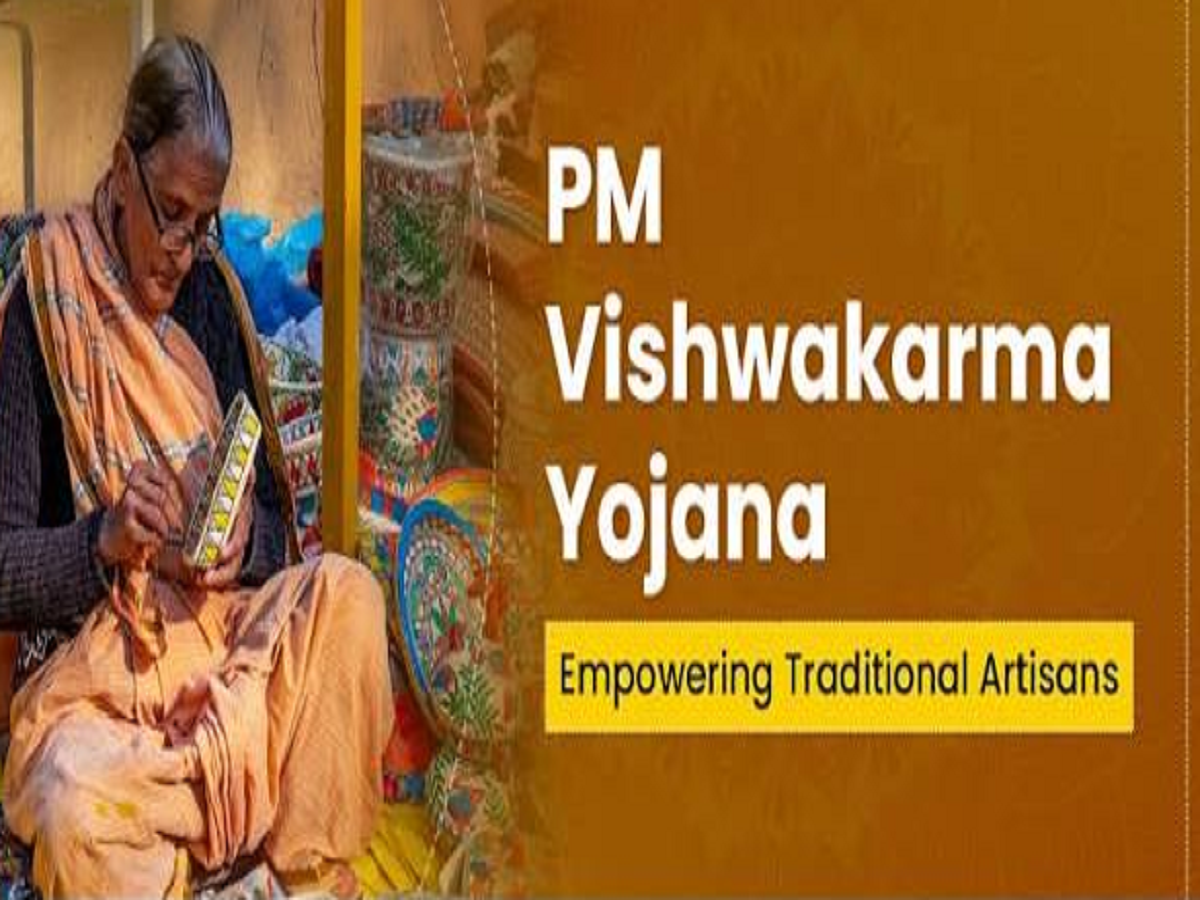
Traditional artisans and craftspeople engaged in occupations such as carpentry, pottery, blacksmithing and tailoring can receive several forms of government support under the PM Vishwakarma scheme.
The scheme, launched in September 2023, provides support ranging from skill training and toolkit assistance to credit facilities and incentives for digital transactions. As of September 2026, the government's registration target of 30 lakh beneficiaries has been achieved.
What is the PM Vishwakarma scheme?
PM Vishwakarma is a Central Sector Scheme designed to support traditional artisans and craftspeople who generally work with their hands and tools.
The scheme has an overall outlay of ₹13,000 crore for the period from FY 2023-24 to FY 2027-28 and covers 18 traditional trades.
Its objective is to help artisans improve their skills, tools, productivity and access to markets.
Which artisans are covered?
The scheme covers 18 traditional trades, including occupations such as:
-
Carpenter
-
Blacksmith
-
Goldsmith
-
Potter
-
Sculptor
-
Stone breaker
-
Cobbler
-
Mason
-
Locksmith
-
Tailor
-
Barber
-
Washerman
-
Basket, mat and broom maker
-
Traditional fishing-net maker
Eligibility is subject to the detailed conditions prescribed under the scheme.
What benefits are available?
One of the key features of PM Vishwakarma is that it combines several types of assistance instead of providing only financial support.
Eligible beneficiaries can receive:
-
PM Vishwakarma Certificate and ID Card
-
Skill training
-
Daily training stipend
-
Toolkit incentive
-
Collateral-free credit support
-
Incentives for digital transactions
-
Marketing and market-linkage support
This makes the programme relevant not only for artisans looking for financial assistance but also for those trying to modernise their traditional businesses.
Training support for artisans
Beneficiaries can undergo skill-upgradation training to learn modern tools, techniques, designs and business practices.
Basic training generally lasts 5–7 days, while advanced training can continue for 15 days or more.
During training, beneficiaries receive a stipend of ₹500 per day. Training also covers areas such as digital transactions, marketing and entrepreneurship.
Toolkit assistance
Artisans may also receive assistance for purchasing or upgrading their tools.
The toolkit support is intended to help beneficiaries improve the quality and efficiency of their work and adopt more suitable equipment for their trade.
The assistance is provided according to the scheme's prescribed framework and eligibility conditions.
Credit support is another major benefit
PM Vishwakarma also provides access to credit support for eligible beneficiaries.
The objective is to help artisans invest in their businesses, purchase equipment, increase production or meet other requirements related to their traditional occupation.
The credit facility is structured under the scheme's prescribed terms rather than being an unrestricted cash grant.
Digital payment incentives
The government is also encouraging artisans to adopt digital transactions.
Eligible beneficiaries can receive incentives for carrying out transactions digitally, helping traditional businesses become more integrated with formal digital payment systems.
This can also make it easier for artisans to build a transaction history and participate in wider formal markets.
Help with selling products
Another important part of PM Vishwakarma is market support.
The government is working to connect beneficiaries with wider market channels, including government procurement platforms, e-commerce platforms, trade fairs and exhibitions.
The scheme also seeks to improve the quality and market reach of products made by traditional artisans.
Who should consider applying?
The scheme can be particularly relevant for people who are already earning their livelihood through one of the covered traditional trades.
However, applicants must satisfy the scheme's eligibility and verification requirements. Simply working in a craft-related occupation does not automatically guarantee every benefit.
Applicants should therefore check the official eligibility conditions before registering.
Why the latest update is important
PM Vishwakarma has now reached its target of 30 lakh registered beneficiaries as the scheme approaches its third anniversary.
The latest government update also highlights the expansion of support beyond registration, with emphasis on skills, tools, credit, digital transactions and market access.
For traditional artisans, the scheme can therefore serve as a single framework through which they can seek support for both improving their skills and strengthening their businesses.