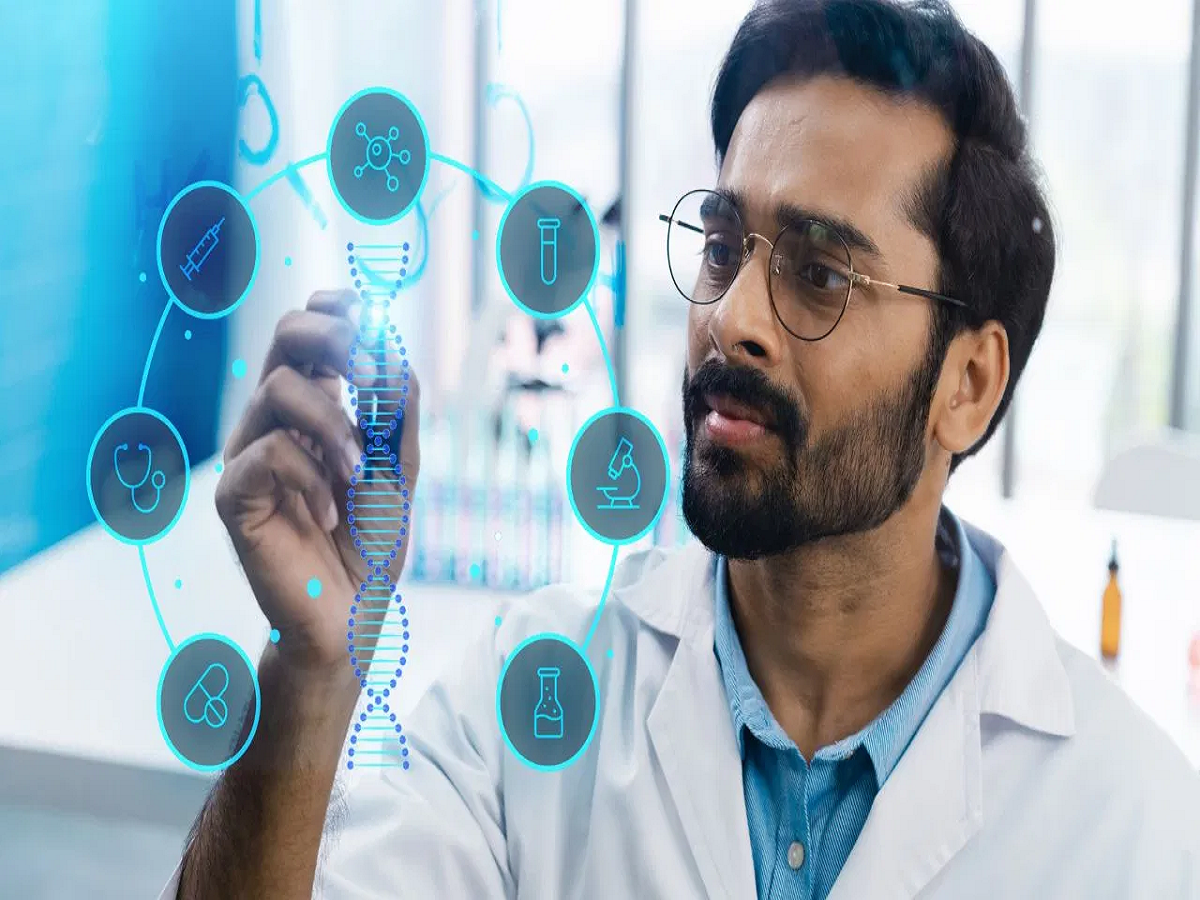
Imagine being able to detect a disease even before it shows symptoms and taking steps to prevent it. That’s exactly what Precision Medicine aims to do. Unlike traditional treatment methods that follow a one-size-fits-all approach, precision medicine focuses on understanding each individual’s unique biology to offer more accurate and effective care.
Preventive precision medicine goes a step further by identifying the risk of diseases in advance. Instead of waiting for symptoms to appear, doctors analyze why and how a person might develop a condition. This includes studying medical history, genetic makeup, lifestyle, and even the body’s internal ecosystem, known as the Microbiome. The microbiome consists of both good and bad bacteria that can significantly influence overall health and disease risk.
Recent research has shown that the microbiome is linked to several health conditions, making it a powerful tool for early detection. By understanding these microbial patterns, doctors can identify potential diseases at an early stage and take preventive action. This approach is further strengthened by advancements in artificial intelligence, which can process vast amounts of health data quickly and accurately.
Modern healthcare systems are now integrating medical records, imaging data, and genetic information to create a comprehensive health profile for each patient. Artificial Intelligence plays a crucial role here by analyzing complex datasets and detecting even subtle signs of disease that might be missed through traditional methods. This means conditions can often be diagnosed much earlier, sometimes even before noticeable symptoms develop.
Another major advantage of precision medicine is its ability to guide the right treatment. Instead of trying multiple medications, doctors can determine the most effective drug and dosage for a patient from the start. For example, in conditions like Crohn's disease, analyzing the patient’s microbiome can help identify which treatment will work best, reducing trial and error and improving outcomes.
In essence, precision medicine is transforming healthcare by making it more proactive, personalized, and efficient. By combining data, genetics, and advanced technology, it not only improves diagnosis but also ensures that patients receive the right treatment at the right time.