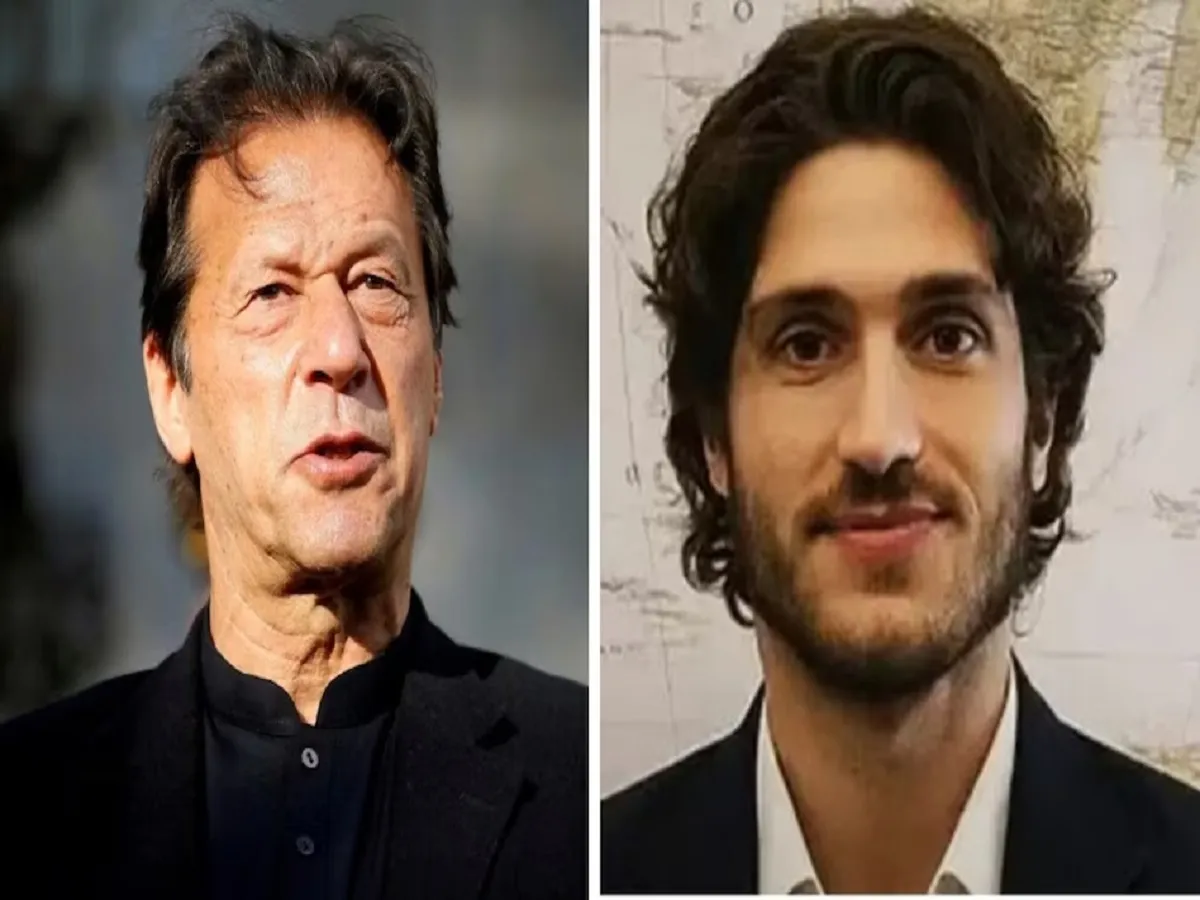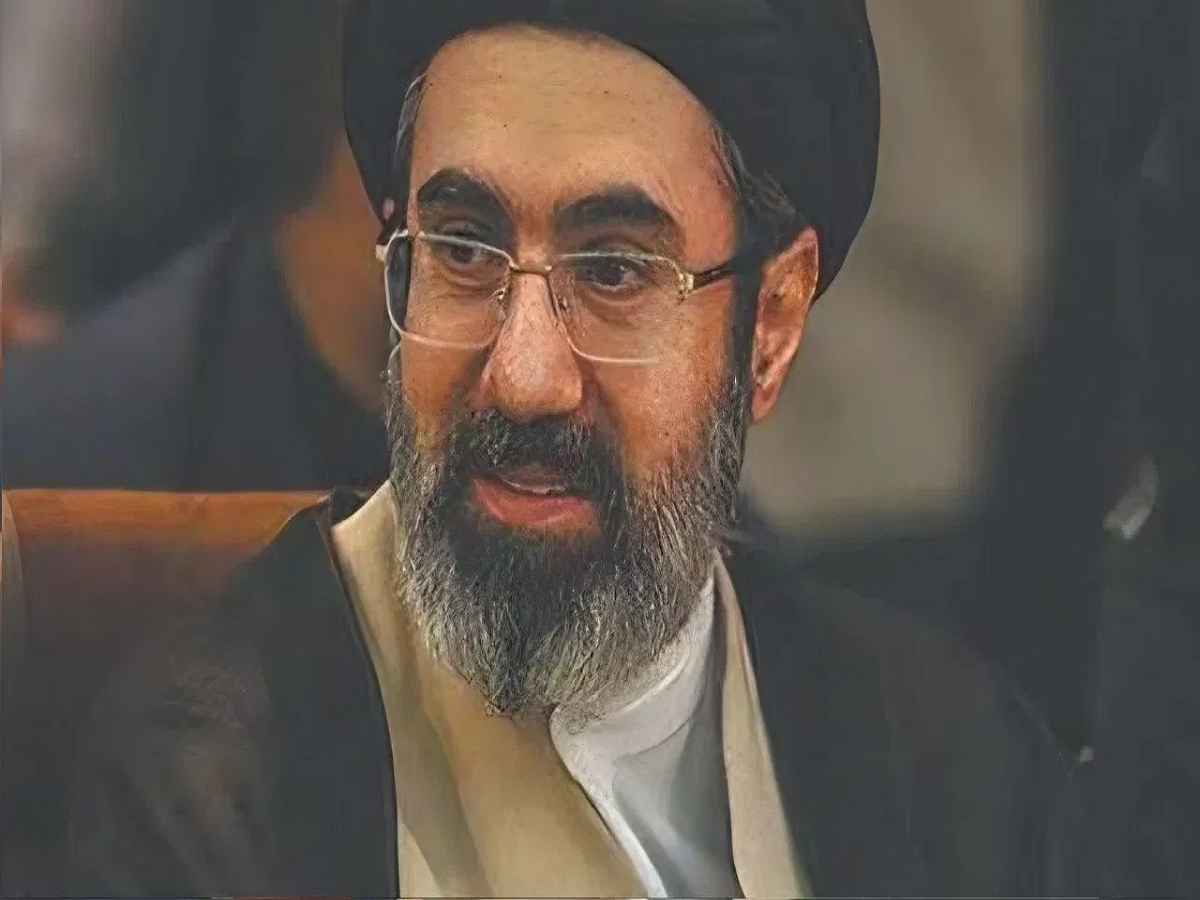
Recent reports claim that Mojtaba Khamenei, who is being discussed in media circles as a possible successor to Iran’s Supreme Leader, has used the title “Rahbar Enghelab” on social media. The phrase has attracted global attention because of its strong political and historical meaning in Iran.
However, it is important to note that Iran has not officially confirmed a change of Supreme Leader. The current Supreme Leader remains Ali Khamenei, who has held the position since 1989.
What Does “Rahbar Enghelab” Mean?
The phrase Rahbar Enghelab comes from Persian:
-
Rahbar – means leader, guide, or one who directs
-
Enghelab – means revolution
Together, “Rahbar Enghelab” translates to “Leader of the Revolution.”
This title is closely linked with Iran’s political system that emerged after the
Iranian Revolution.
Historical Significance of the Term
After the 1979 Islamic Revolution, the Supreme Leader of Iran came to be known as the “Leader of the Islamic Revolution.”
The first person to hold this role was
Ruhollah Khomeini, who led the revolution that overthrew the monarchy of Mohammad Reza Pahlavi.
Since then, the Supreme Leader’s role has symbolized guiding and protecting the revolutionary ideology of the Iranian state.
Why the Name Is Being Used Online
According to reports circulating on social media:
-
An account under the handle @Rahbarenghelab_ appeared on X.
-
The name emphasizes the ideological title “Leader of the Revolution” rather than the English phrase “Supreme Leader.”
-
The account reportedly gained over one million followers within days.
However, analysts caution that social media accounts do not always confirm official leadership changes, and verification from Iranian authorities is necessary.
Who Is Mojtaba Khamenei?
Mojtaba Khamenei is:
-
The second son of Iran’s current Supreme Leader Ali Khamenei
-
A cleric who has worked inside the Supreme Leader’s office for many years
-
Considered by some political observers as a possible successor in Iran’s leadership system
He reportedly became more influential within Iran’s political and religious establishment in the 2000s and 2010s.